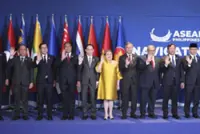
THE Chinese Ambassador to Malaysia has written a well-argued commentary on developments in the South China Sea, “The way of amicable consultations” (The Star, June 13). I wish to lay out certain views on this matter to give readers a balanced and informed perspective.
Negotiations and consultations between parties directly involved is usually the best way to resolve issues, as the ambassador rightly points out. This is true for individuals, companies and countries as well. For the longest time, this has been the approach pursued by the Philippines and Asean, and China too, with respect to differences in the South China Sea (SCS).
Already a subscriber? Log in
The Star Festive Promo: Get 35% OFF Digital Access
Cancel anytime. Ad-free. Unlimited access with perks.