TOKYO: Kisaku Suzuki, creator of the world’s first sushi robot, once ran a company that made candy-wrapping machines. And he was angry.
Why had the Japanese government embarked on a policy to limit rice production, effectively paying some farmers to keep their paddy fields idle? For Suzuki, rice was the sacred heart of the country’s economy. He started to think about how to make the staple food more popular, so that Japan had no reason to restrict the crop.
And that’s when it came to him: he would use his firm’s knowledge of candy-packaging machines to develop the robot. The idea, while off-the-wall in the mid-1970s, had a simple premise. If he could lower the cost of making sushi by mechanising parts of the process and reducing the need for highly paid chefs, he could bring the previously elite Japanese dish to the masses, and in doing so increase demand for rice.
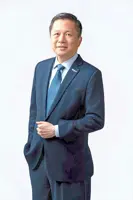
Four decades later, Suzumo Machinery Co.’s robots are used by about 70,000 customers around the world, ranging from sushi chains to factories, and account for about 70% of the market for the equipment at restaurants, according to Suzumo’s estimates. Kaiten sushi, also known as conveyor-belt sushi, has become a US$6bil industry in Japan alone, partly thanks to Suzuki’s invention. Cheap sushi “couldn’t have happened without our machines,” says Ikuya Oneda, who succeeded Suzuki as Suzumo president in 2004, a year before the founder died, and took over his life’s work. “You can certainly say that.”
When Suzuki started to create his robot, he met nothing but resistance. In 1976, sushi was still largely a food for special occasions. It was mostly sold through a legion of small restaurants, where artisan chefs dispensed morsels with no price tags and charged how they saw fit. Not surprisingly, those chefs were up in arms when they heard about Suzumo’s plan.
In their view, it took 10 years to train someone to make sushi. No machine could possibly do the job. Suzumo asked some of the very people it was trying to depose to give their opinions on the prototype. “They said, ‘This is no good, this is terrible, I don’t know what this is,’” said Oneda, 73, who became chairman of the company this year.
After three years, Suzumo was nowhere near its goal and running out of cash. We thought “the company would go down the tubes,” Oneda said. “We thought about quitting.” Suzumo stuck with the task, and two years later the sushi chefs finally said the machine was usable. In 1981, the company completed its first robot, which formed sushi rice into balls called nigiri. These days, it offers 28 different sushi machines.
“What they’ve done is allow kaiten restaurants to democratize and make good Japanese food affordable and accessible,” says Robin Rowland, chairman and chief executive officer of Yo!, a UK sushi chain with almost 100 restaurants globally. “We serve seven million guests a year. You’re talking about 500 to 600 dishes on our belts in the UK. It’s a lot of food. And you need to automate some of that.”
But even so many years later, the debate still rages about the machines. For purists, if you use robots, it just isn’t the same.
“It’s an entirely different genre,” says Yoshikazu Ono, son and heir of Jiro Ono, the masterchef featured in the documentary Jiro Dreams of Sushi. “Sushi isn’t just balls of rice.
“The process is the most important thing. It requires relentless practice to make just one piece of sushi rice -- things like how you select, prepare and cook the rice, how much water you use, and so on. You can’t get that from a robot.” — Bloomberg
Already a subscriber? Log in
Get 20% OFF The Star Digital Access
Cancel anytime. Ad-free. Unlimited access with perks.