
The Global Muslim Travel Index provides invaluable insights into a lucrative tourism segment in which Malaysia leads the way.
THE importance of the Muslim consumer market as a vital segment for businesses across sectors is undeniable. It shouldn’t come as a surprise as the Muslim population is growing rapidly, with some of them coming from the world’s fastest growing economies.
With faith being a major factor that influences their purchasing decisions, Muslims are constantly searching for products and services that take into account their faith-based needs. This can be seen through the demand for halal food as well as Islamic banking, for instance.
The typical Muslim consumer is now younger, educated and has a larger disposable income. This has led to an inclination for travel. Consequently, the travel and hospitality industry has now become one of the largest markets within the Muslim consumer space.
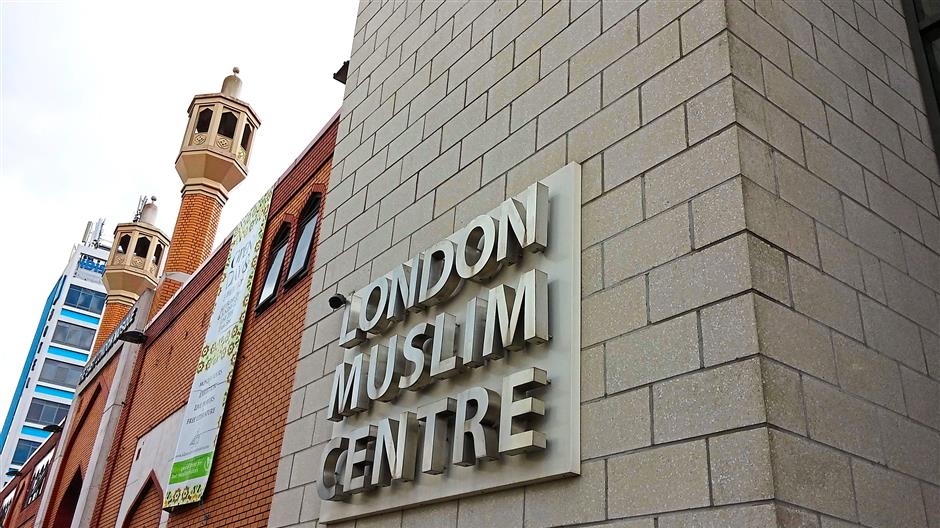
All the aforementioned observations are included in the Global Muslim Travel Index (GMTI) 2015 – a publication by CrescentRating and MasterCard – that researches and analyses the halal travel market. CrescentRating is one of the world’s leading authorities on halal-friendly travel. Malaysia attained top spot in the ratings.
In essence, the GMTI provides benchmarks across a number of criteria in order to track the growth of this particular segment.
The index takes into account in-depth data covering 100 destinations. Based on a number of criteria – such as level of services and facilities provided, marketing initiatives and visitor arrivals – an overall index score is calculated.
“With the Global Muslim Travel Index, we are able to better understand what a Muslim traveller looks for when choosing a travel destination,” says MasterCard South-East Asia Islamic Payments group head Safdar Khan.
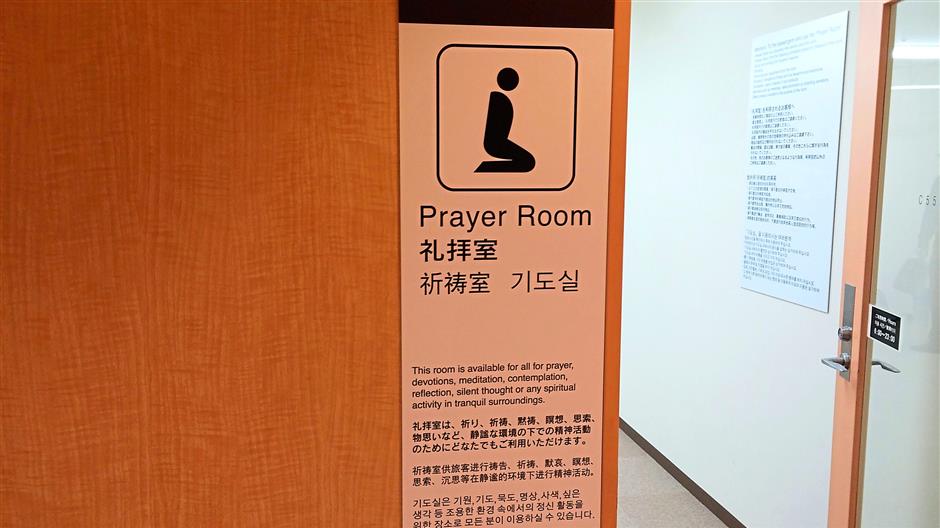
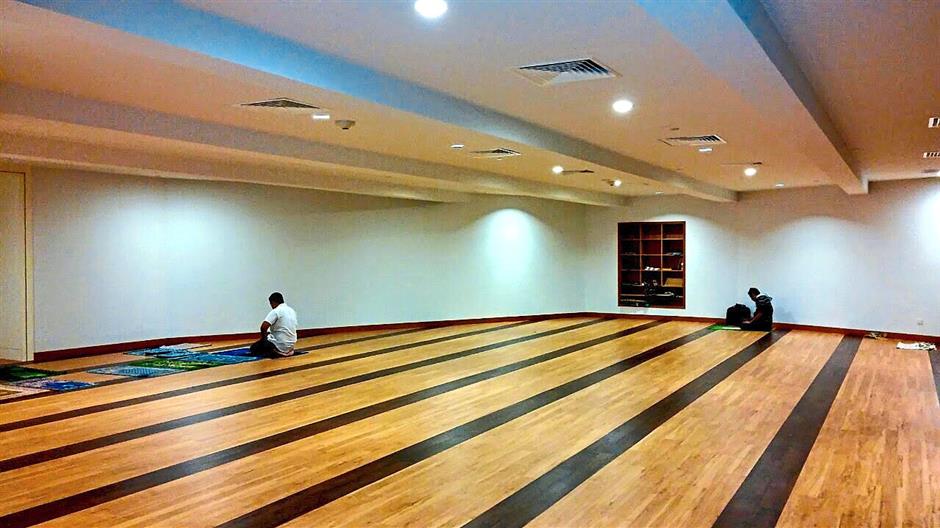
So, what exactly do Muslim tourists seek on their travels? Going by the criteria established by the GMTI, they are looking for family-friendly holiday destinations, a safe travel environment, dining options and halal assurance, ease of access to prayer places, airport services, accommodation options and language proficiency.
“We are now able to equip partners in the travel sector to tailor their products and services to the needs of this unique traveller segment,” Safdar offers, referring to the relevance of the index.
An in-depth knowledge of Muslim tourism is an asset to tourism operators. Last year, the segment was worth US$145bil (RM538bil), with 108 million Muslim travellers representing 10% of the entire travel economy.
The numbers are expected to grow to 150 million visitors (11% of the market segment) by 2020, with an estimated market value of US$200bil (RM742bil).
Malaysia is at the forefront when it comes to reaping its potential as a Muslim-friendly destination, says CrescentRating chief operating officer Fazal Bahardeen. He credits the country’s success to its being a member of the Organisation of Islamic Cooperation (OIC). Fazal says that the OIC background means that Malaysia, by default, has Muslim-friendly facilities and services.
At the same time, though, the GMTI did point out that OIC countries still have to “create a clear and coherent strategy across every level to fully maximise their attractiveness to Muslim tourists”.
“It’s a commitment that has been embraced by Malaysia for the past 10 years,” Fazal says, referring to the country’s strong efforts in making the destination a competitive holiday option for Muslims.
“Muslim tourism is not about changing or creating new products and services. Instead, destinations would only need to make minor adaptations and adjustments to fully accommodate the needs of Muslims. It’s a concept that Malaysia realised long before other countries did,” he adds.
However, Fazal notes, there is still room for improvement. “There are three classifications when it comes to categorising the needs of Muslim travellers. They are the need-to-have, good-to-have and nice-to-have. Malaysia can improve by catering to the nice-to-have needs of travellers,” he offers.
Need-to-have requirements include halal food and prayer facilities. As for good-to-have, Fazal cites services to accommodate the month of Ramadan. such as bazaars. And a prime example of a nice-to-have requirement is female-only facilities, such as gyms that are dedicated solely to women.
In the recent GMTI, Malaysia scored 83.8 out of 100. Turkey followed behind with 73.8 and the United Arab Emirates at 72.1. Saudi Arabia and Qatar round up the top five with 71.3 and 68.2 respectively.
According to Fazal, non-OIC countries have been pro-active in looking at this segment and are developing services to attract this group.
“CrescentRating has seen a recent huge shift towards more destinations targeting this sector, like Japan and Taiwan. It is a trend we expect to continue,” he says. Fazal adds that CrescentRating is working closely with emerging markets when it comes to education of this travel sector.
“We started working closely with Japan in terms of education about three years ago. It’s only a matter of time before they start understanding and begin catering to the market,” says Fazal. Japan ranked 37th at the recent GMTI.
From a regional perspective, Asian destinations lead with an average GMTI score of 53.98. As for non-OIC destinations, Singapore comes out on top. According to the GMTI report, the last few years have seen the republic investing in attracting this sector by adapting its tourism products and facilities.
“It currently boasts some of the best halal food environments in non-OIC destinations, even when compared against OIC destinations,” read the report.
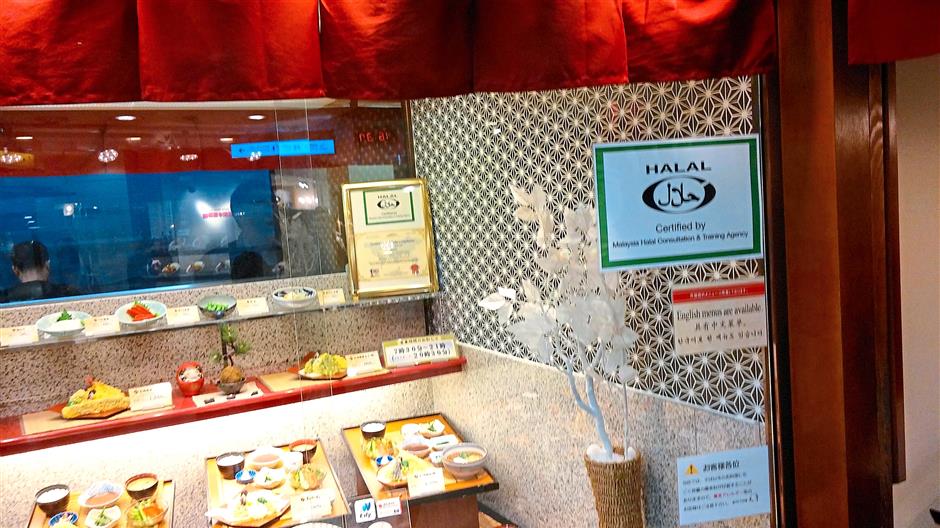
The report also praised Singapore for embracing processes that provide greater transparency to the sector. It cited the country’s well established and dedicated halal certification as an example.
Ultimately, the list of countries that ranked high on the GMTI excel at assuring Muslim travellers, says MasterCard South-East Asia president Matthew Driver.
When it comes to the safety criterion, the GMTI did extensive online research to check for incidents reported against Muslims, such as the prevalence of resentment towards women in traditional Islamic clothing.
While Fazal agrees that safety is top priority, it also has a deeper meaning from the perspective of a Muslim traveller.
“All travellers want to be assured. But for this particular market, assurance of their faith is a top consideration,” he concludes.
Already a subscriber? Log in
Get 20% OFF The Star Digital Access
Cancel anytime. Ad-free. Unlimited access with perks.