
PETALING JAYA: The role of hand hygiene in preventing the spread of drug-resistant germs is the focus of the World Health Organisation’s annual “SAVE LIVES: Clean Your Hands” campaign this year.
Launched yesterday, the campaign is in line with WHO’s recently-released report on Antimicrobial Resistance: Global Report on Surveillance.
The report states that there are increasingly more types of bacteria which cannot be killed by antibiotics. The report also stated that no one in the world is safe from this menace.
However, WHO also reported that should compliance with hand hygiene in health facilities increase from under 60% to 90%, there could be up to a 24% reduction in the infection of methicillin-resistant Staphylococcus aureus (MRSA).
MRSA, most commonly contracted in hospitals, is rapidly becoming more difficult to treat with current drugs.
“Whether it is the hands of the patient, their visitors or the healthcare team, people must remember to practise good hand hygiene in a healthcare setting, especially in hospitals,” said Patient Safety Council of Malaysia member Dr Milton Lum.
Good hand hygiene means washing the hands thoroughly with soap and water before and after touching a patient.
“Everyone has germs on his or her body so despite our good intentions in visiting our sick relatives or friends, we may actually pass on a bug unintentionally,” said Dr Lum.
Patients for Patients Safety Malaysia chairman J. Manvir said he believed that patients should also wear masks to protect themselves from airborne infections.
“Children under 12 should not be visiting patients, especially in hospitals.
“You may not be able to teach them to practise good hand hygiene but you can keep them at home to prevent them from passing on an infection to the patient as well as preventing them from getting ill,” said Manvir.
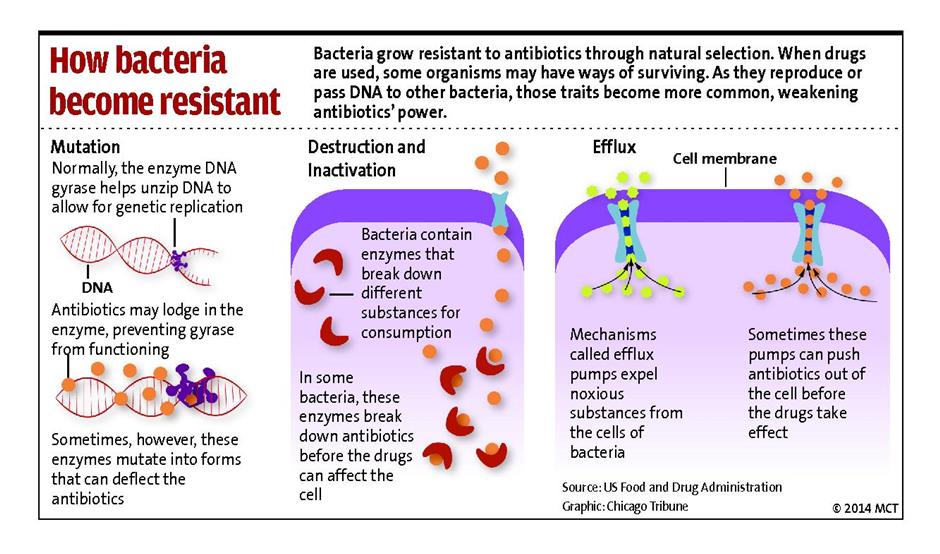
Antibiotic resistance has been around since the 1940s when the first antibiotic, penicillin, allowed doctors to kill off the many bacteria that were the source of different infections.
However, subsequent misuse of penicillin accelerated the natural evolution of the bacteria, resulting in the microbes becoming resistant.
Already a subscriber? Log in
Get 20% OFF The Star Digital Access
Cancel anytime. Ad-free. Unlimited access with perks.