
Amy Lively loves to tell people just how much her European vacation cost her and her husband. That’s because they spent US$1,460 (RM5,796) on accommodations for the 31-day trip.
The couple, from Nathrop, Colorado, were celebrating their 35th wedding anniversary. They didn’t manage to pay an average of under US$50 (RM198) a night by rooming in hostels – they stayed in a mix of tastefully designed homes in England, France and Italy, where they slept in an 18th century villa.
“It was nuts,” said Lively, 56. Since the lodging was so affordable, the couple shopped, dined and booked activities without guilt.
But there was a catch: While the Livelys were eating pastries and admiring the view from a quintessential French apartment, strangers were staying in their Colorado home.
Lively planned the trip through Kindred, a home-swapping platform that operates in more than 60 countries and has over 250,000 members globally, more than 150,000 of whom joined in 2025.
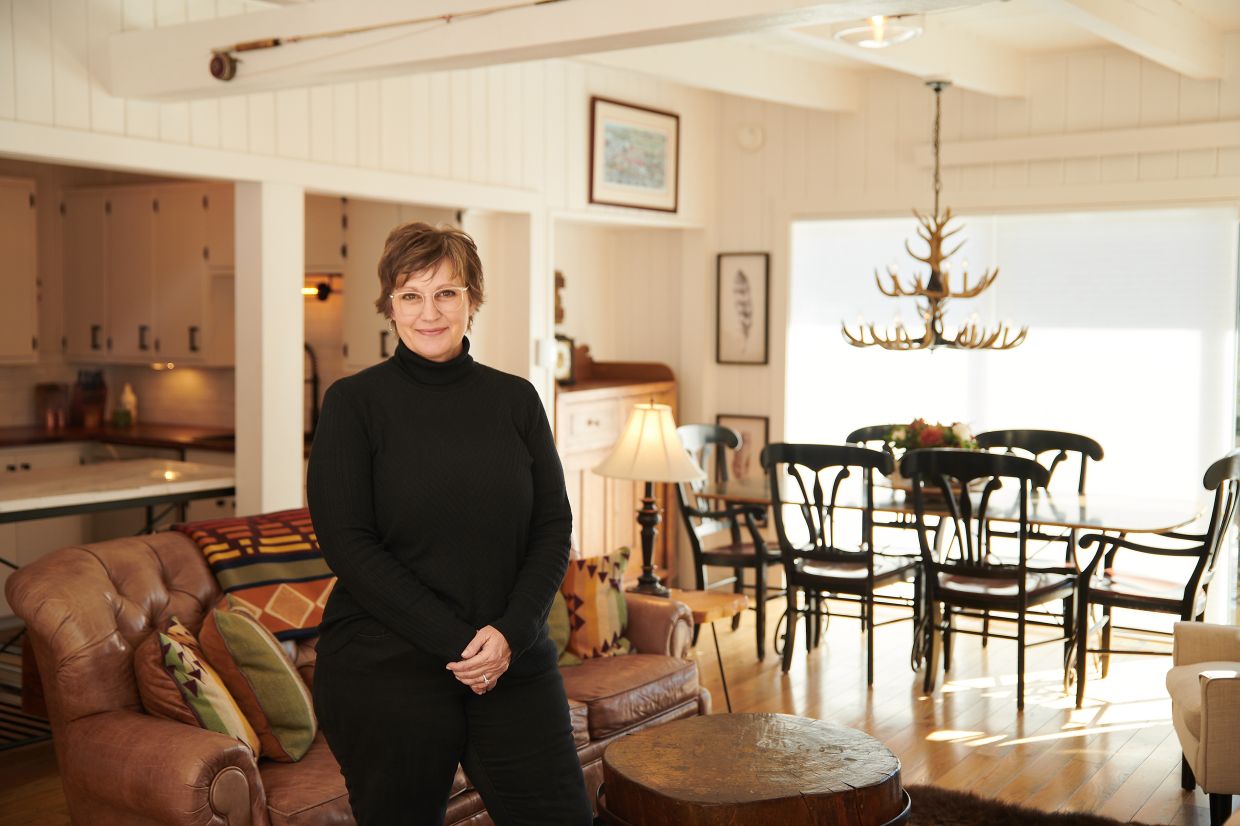
Wary of high costs and seeking more authentic experiences, travellers are turning to home-swapping apps. Their rise comes amid a changing travel market, as many popular tourist cities have heavily restricted short-term rentals.
Justine Palefsky and Tasneem Amina founded Kindred in 2021; they met while working in tech and wanted to make it easier and more comfortable for people to share their spaces.
“The gap that we saw in the market was around sharing your primary home,” Amina said.
More than 90% of Kindred’s members allow users to stay in their primary residence, and the platform doesn’t require one-to-one swaps. Members can lend their apartment to someone while staying with family for the holidays, for example, and use the credits earned to take a trip later.
Emmanuel Arnaud, the CEO of HomeExchange, a home-swapping platform based in France, said his company experienced a boom in interest during the COVID-19 pandemic and has been growing about 40% to 50% annually since. He called Kindred “somewhat of a new kid on the block” and considers its growth as a positive sign for the industry, which also includes platforms such as HomeLink and ThirdHome.
Part of what makes Kindred different is its selectiveness, accepting only about half of those who apply to join. Generally, your home has to be in an area where there is demand for visitors. And it has to look nice – “curated”, as Kindred says.
“It doesn’t need to be Architectural Digest,” said Palefsky, “but we want it to feel homey and be a place with some amount of soul.”
The platform is picky in part to solve one of the biggest challenges in home swapping: persuading people to let strangers sleep in their bed.
And once members are accepted, some power turns over to the hosts. Kindred encourages users to link their social media accounts to their profiles, and the majority of members choose to interview their potential guests. Having the ability to pick who stays in their homes is a policy that is meant to cultivate trust – but also one that may open the door to discrimination. (The platform has a clear policy against such behaviour.)
Kindred also bills itself as a more moral alternative to short-term rentals, which critics say exacerbate local housing shortages. Since members earn credits but don’t make money from home-swapping platforms, there’s little financial incentive for developers of rental properties to join.
As for the platform itself, revenue comes mostly from service charges. For her trip, Lively opted for Kindred’s US$600 (RM2,382) “Passport,” which covers service charges for the year. (The other US$860 (RM3,414) she spent covered cleaning fees.) The company has also raised US$22.75mil (RM90.33mil) from investors, including the early Airbnb-backer Andreessen Horowitz.
One problem these platforms have, said Mehmet Cansoy, an associate professor of sociology at Fairfield University, is how to make money without alienating customers – especially when short-term rental users already feel like service and cleaning fees have gotten out of control.
“It’s hard to figure out if there’s an actual viable market for what they’re trying to do,” he said.
But people are signing up. Victoria Sus, a product designer from Chicago, had reservations before joining. She liked that Kindred provided her with a set of sheets and towels for the guests, and that she could speak to the people who wanted to stay in her home before agreeing.
Still, “when it came to the first one, I was like, ‘Oh my gosh, what should I hide?’” said Sus, 32. What reassured her was the sense of community.
“Nobody wants their stuff stolen,” she said. “So somebody hopefully isn’t going to steal mine.”
Palefsky said every member having “skin in the game” was crucial for its success. The lack of payment, she said, also – perhaps paradoxically – makes people more respectful.
“If you’re paying US$500 (RM1,985) a night to stay at a vacation rental, the guest is often like, ‘I’m the customer. I’m not going to take my shoes off’,” Palefsky said. But that sense shifts when staying in someone’s home for much less. “That guest is then thinking, ‘Hey, I want to be a really great guest,” she said.
When things do go awry, Kindred will replace damaged items – like Sus’ dishes that a Kindred guest broke. She was quickly reimbursed.
Sus, who has been using the platform for two years, says she knows people who’ve had Kindred bookings cancel last minute and been left scrambling for new accommodations. She still stays in hotels and Airbnbs when travelling for work, or when it makes sense for her schedule.
For an upcoming trip to Mexico, she opted for a short-term rental, just to be safe. – ©2026 The New York Times Company
This article originally appeared in The New York Times.