A Chinese teenager has been sentenced to six years in prison after he exploited a loophole in an online shopping platform’s refund policy to make thousands of fraudulent claims.
The 17-year-old made 11,900 bogus refund applications without returning the goods and made 4mil yuan (RM2.32mil or US$570,000) from doing so.
It was recently reported that a court in Shanghai issued a verdict in his case in July 2025.
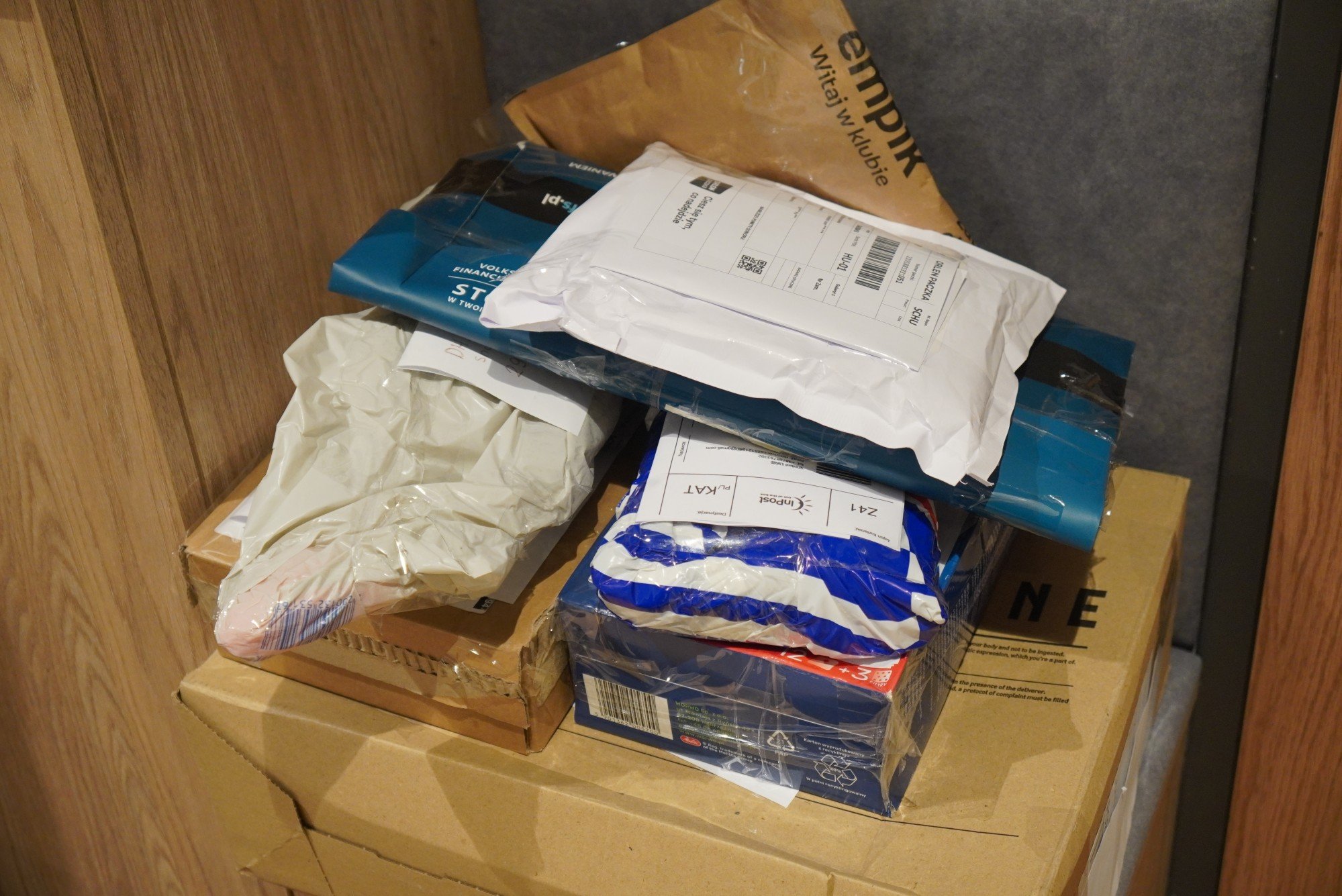
In March 2024, a cosmetics shopping platform reported to the police that it had become a victim of fraudulent returns.
Officers arrested the suspect, a 17-year-old surnamed Lu.
Lu allegedly noticed a loophole on an online shopping platform which allowed him to fill in fake courier numbers in his return request and get a refund without the seller receiving the returned goods.
Lu opened multiple accounts to buy products from the platform, before exploiting a loophole to keep both the goods and the refunds.

Lu reportedly executed the trick for 11,900 orders, received products worth 4.76mil yuan (RM2.76mil or US$680,000), resold them on second-hand shopping platforms and made a total of 4.01mil yuan (RM2.32mil or US$574,000) in profit.
He spent the money on new mobile phones, brand clothing and treating friends.
No detailed information about Lu or the shopping platform was revealed.
According to Chinese law, people who obtain public or private property by fraud shall face imprisonment of no less than 10 years if the amount involved is especially large.

The court reduced Lu’s sentence on account of the fact that he was a minor at the time of his crimes.
The case comes at a time when such fraudulent returns scams are increasingly frowned upon.
Last year, Chinese media outlets exposed that some buyers had been misusing images generated by artificial intelligence to claim refunds.
In December last year, a seller told of a woman who used multiple accounts to buy goods from her online shop then claimed refunds before returning cheap items instead.
The seller said the woman fraudulently obtained 225 items from her shop, costing her total losses of 54,000 yuan (RM31,348 or US$7,700).
After the case went viral, the woman tried to exert damage control by transferring 30,000 yuan (RM17,416 or US$4,000) to the seller.

The seller rejected the money and insisted on her taking legal responsibility.
Many sellers complained about shopping platforms that make refunds easy to attract buyers but cause problems for sellers.
In April last year, major Chinese e-commerce platforms announced the cancellation or limiting of the “refund only” option.
“He used his cleverness doing the wrong deed,” an online observer said of the convicted teenager.
“The platform also has problems, not detecting the loophole until it has lost such a great amount of money,” said another. – South China Morning Post