
Hong Kong authorities are using artificial intelligence (AI) and laser-based sensors to improve environmental impact assessments for major projects, with plans to use these tools for sustainable development in the Northern Metropolis.
The Environmental Protection Department has been employing two systems – one for detecting bird species and another for monitoring trees – at Hong Kong Wetland Park in Tin Shui Wai since last year, in preparation for the planned expansion.
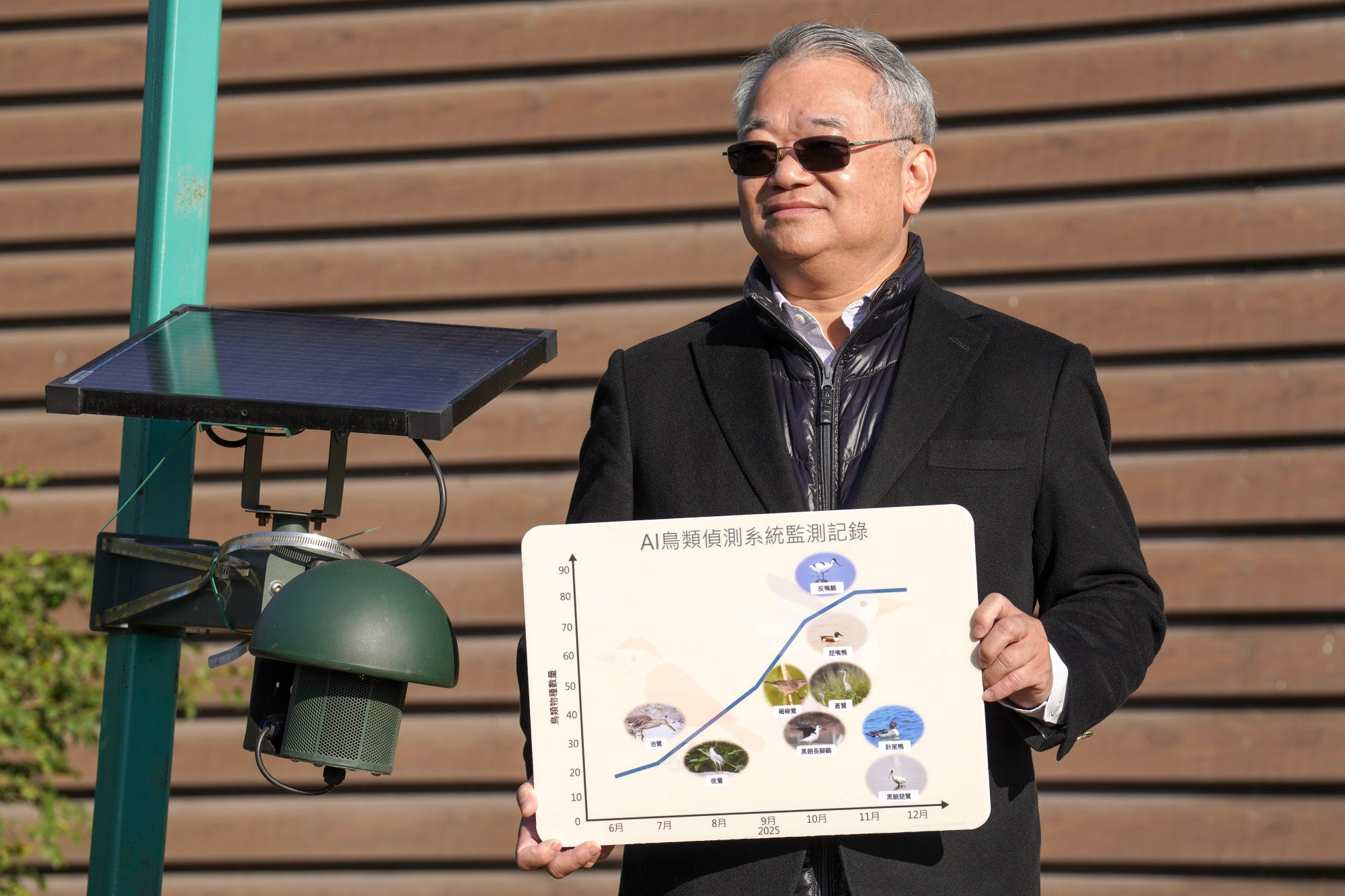
The AI-driven bird recognition system combines image recognition and acoustic monitoring for round-the-clock surveillance, even in inclement weather.
It can identify more than 500 species, including the black-faced spoonbill and the Chinese pond heron, with an accuracy rate of more than 90%.
The department is also using remote light detection and ranging (lidar) sensors to measure and record data on trees – including their locations, heights, crown widths and stem lengths – and create 3D models.
“AI applications are very helpful and can integrate environmental impact assessments with ecological conservation, allowing development to proceed in parallel,” said Gary Tam Cheuk-wai, the assistant director of environmental protection. “Whether it is AI identifying birds or trees, all the data is more objective, scientific, transparent and comprehensive.”
“Having such good scientific data will greatly help in achieving overall consensus and acceptance.”
The environmental impact assessment is a statutory process that evaluates and mitigates the impact of major development projects on nature before they are allowed to proceed, as mandated by the Environmental Impact Assessment Ordinance.
“When conducting an environmental impact assessment, there are several key points,” said Dr Samuel Chui Ho-kwong, the director of environmental protection.
“We need to conduct a very comprehensive survey to identify the ecosystems, habitats and organisms in the area. After collecting the data, we need to perform a thorough analysis and then propose compensation measures or ways to protect the area.”
Clara U Kam-wa, principal environmental protection officer of Territory North, said three AI-equipped rotating cameras were installed in the park to monitor birds, each covering a radius of up to 500 metres (1,640 feet).
The system uses AI to identify different bird species from captured images and records videos for further analysis of their behaviour.
It can also recognise birds by their calls – especially useful for nocturnal or concealed species, such as the black-crowned night heron, dusky warbler and yellow-browed warbler.
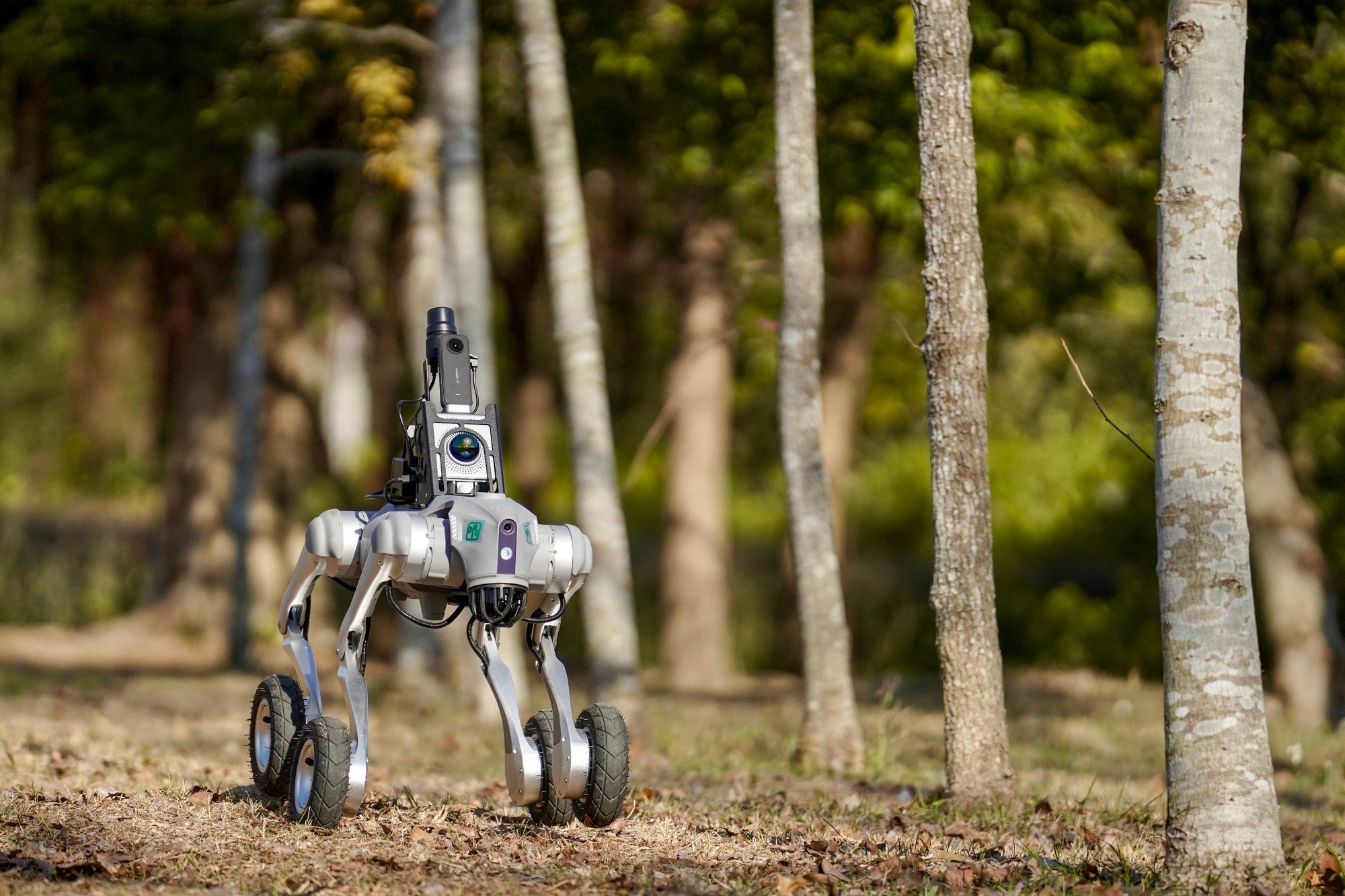
In addition to the AI-driven system, lidar sensors mounted on a robot dog can scan trees over a large area within 30 to 60 minutes, work that would take staff all day.
She said that while lidar technology was not new, Hong Kong was at the forefront of applying it to tree surveys.
“It can substantially reduce the field research time and increase the accuracy,” she said.
U also said the department would continue improving the AI systems and use them on other species, including butterflies.
The department said it planned to use the technologies in the environmental impact assessment for the Northern Metropolis, which aims to transform 30,000 hectares of land near the city’s border with mainland China into a hub for innovation and housing.
“A driving force and a major goal of our entire AI development is to support the development of the Northern Metropolis,” Tam said, adding that several projects in the area would require ecological surveys and optimisation solutions. – South China Morning Post