
US and Chinese artificial intelligence players are ramping up integration of e-commerce solutions in their flagship consumer products in a race to become the “everything app” of the future.
OpenAI on Monday unveiled a “shopping research” tool. The function, which can generate detailed shopping guides for ChatGPT users, comes just before the busy holiday shopping season and resembles popular AI shopping services on Chinese e-commerce platforms such as Tmall and Taobao of Alibaba Group Holding. Alibaba owns the South China Morning Post.
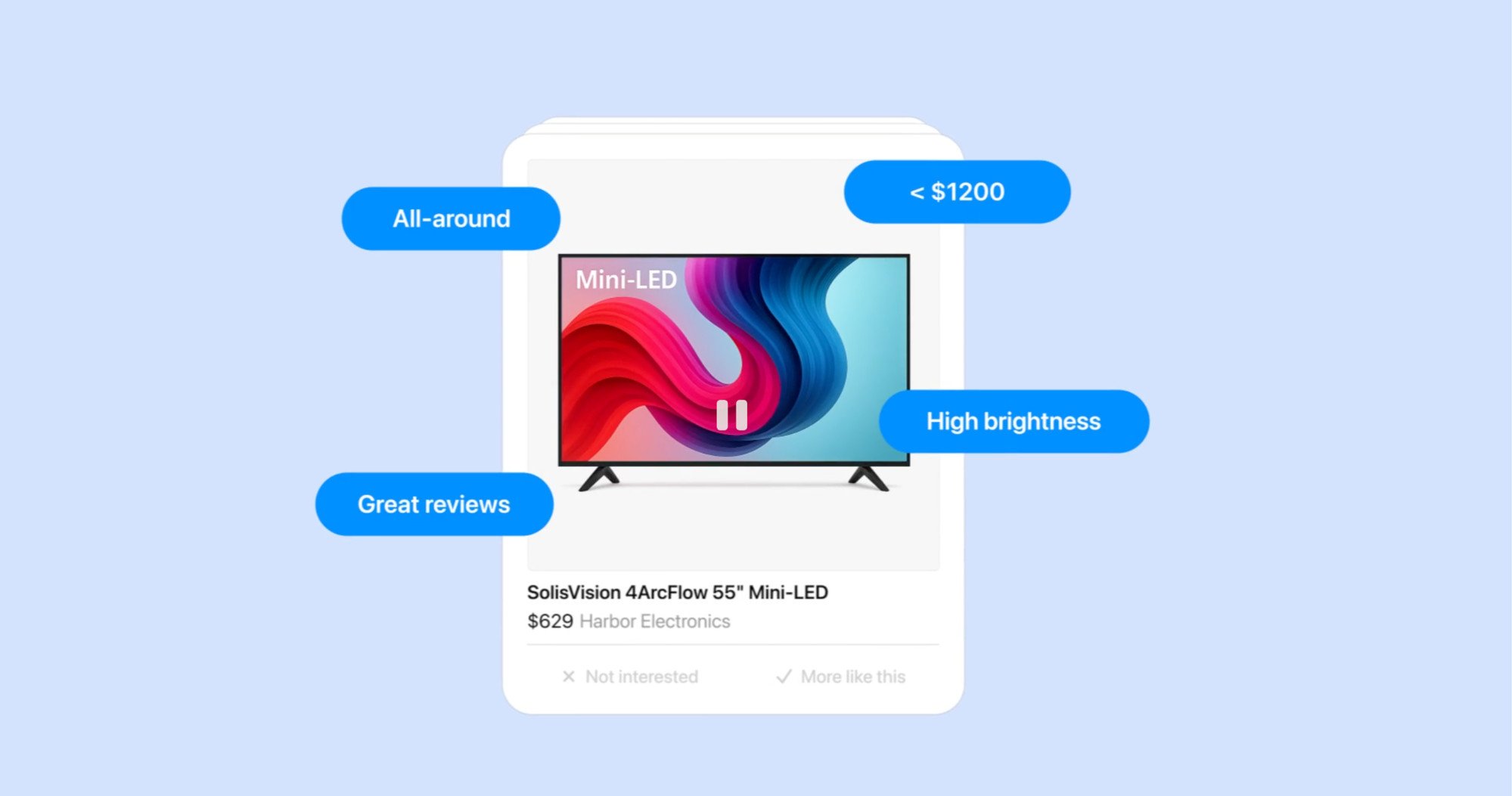
After users describe what they want to buy with prompts such as “Best TVs for a bright room”, the AI searches the web for suitable products and then interacts with the user in a series of interactions to narrow down the selection, all within the chat interface.
In September, the San Francisco start-up introduced a feature called “instant checkout” that lets users make purchases from eligible vendors directly in ChatGPT. It said on Monday that shopping research would be integrated with instant checkout in the future.
Such “all-in-one” apps are the norm in China, where vertically integrated tech giants such as Alibaba and ByteDance are also deepening the instant e-commerce features of their AI chatbot apps.
Last month, Beijing-based ByteDance announced the integration of its flagship AI app Doubao with its e-commerce marketplace Douyin, which is embedded in the domestic version of the company’s TikTok short-video platform.
The company boasts both China’s most used AI app in the form of Doubao, with 172 million users, and China’s most popular short-video platform in the form of Douyin, with over one billion users, according to QuestMobile.
Meanwhile, Alibaba plans to add e-commerce features to its flagship AI consumer app Qwen, which has been downloaded over 10 million times since its launch last week.
The tech giant is rebranding itself as an AI-first business, with plans to deploy the complex reasoning and agentic capabilities of its Qwen models across its entire e-commerce ecosystem, including Taobao and Tmall, which have more than 1 billion users combined.
The company has already launched an “AI Mode” for its global business-to-business marketplace, Alibaba.com, to help merchants source products, leveraging the language understanding capabilities of large language models to tailor search results for users.
While ChatGPT is technically banned in China, Alibaba said that an international version of the Qwen app would be released later targeting users outside the mainland.
Similar to ChatGPT, which is rolling out third-party apps from the likes of Booking.com and Spotify for its more than 800 million users to interact with directly in the chat interface, Alibaba said the Qwen app would gradually add features from the firm’s existing ecosystem of services, including maps, food delivery and travel booking.
By 2030, the global consumer retail market could be worth US$5 trillion (RM20.65 trillion) as “agentic commerce” – shopping powered by AI agents execute purchases on behalf of users – becomes the norm, McKinsey & Co analysts said in a report last month. – South China Morning Post