WASHINGTON: The US Secret Service found and seized an illicit network of sophisticated equipment in the New York City region that was capable of shutting down the cellular network as foreign leaders prepared to gather nearby for the annual UN General Assembly, the agency announced on Sept 23.
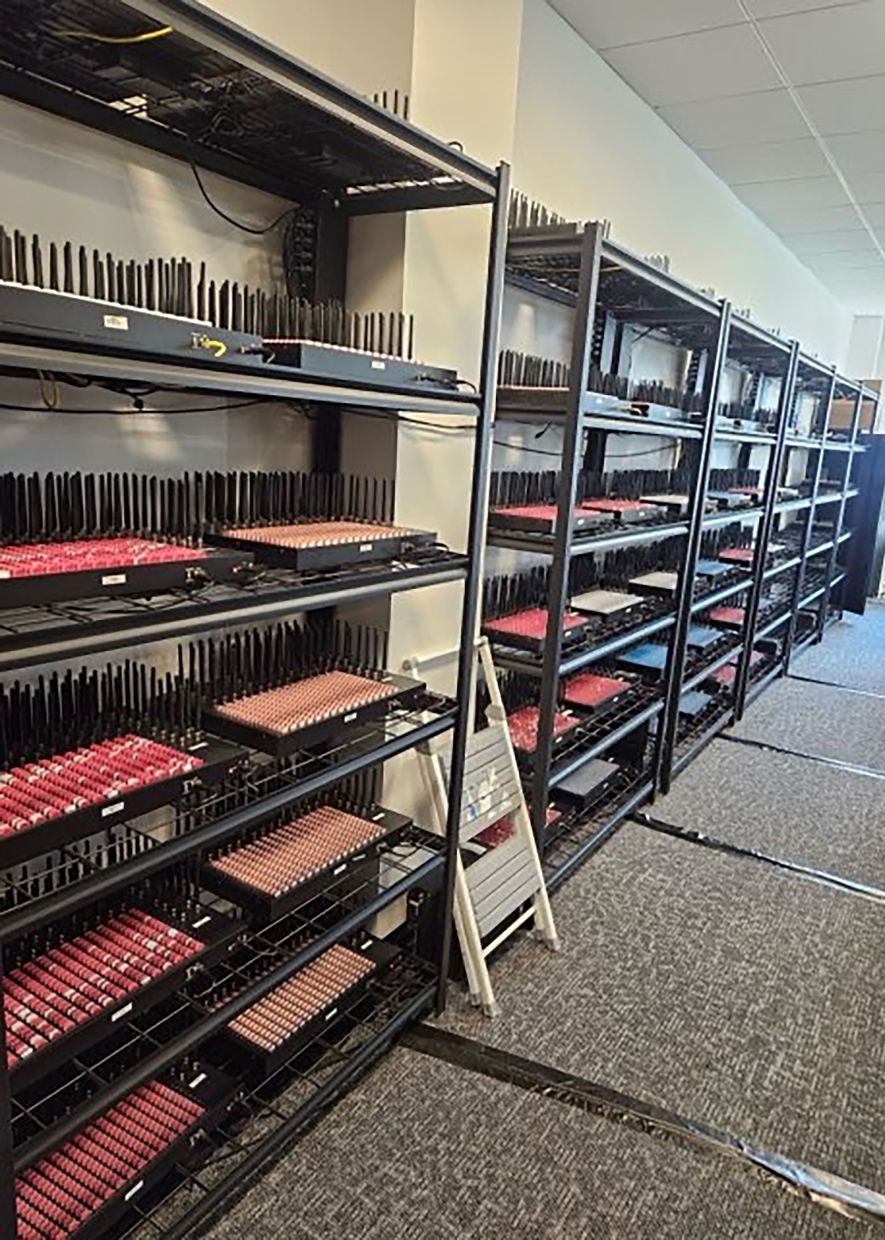
Officials said the anonymous communications network, which included more than 100,000 SIM cards and 300 servers, could interfere with emergency response services and could be used to conduct encrypted communication. One official said the network was capable of sending 30 million text messages per minute, anonymously. The official said the agency had never before seen such an extensive operation.
There is no specific information that the network, now dismantled, posed a threat to the conference itself, Secret Service officials said, speaking on the condition of anonymity to discuss an ongoing investigation. The agency leads the security for the U.N. meetings this week.
The conference draws more than 100 foreign leaders and their staffs and has been described as the Super Bowl of spy games. The scale of the equipment discovered suggests the network could be part of a nation’s surveillance operation, experts said.
Initial analysis of the data on some of the SIM cards has identified ties to at least one foreign nation, as well as links to criminals already known to US law enforcement officials, including cartel members, Secret Service officials told reporters Monday in a call previewing Tuesday’s announcement.
“We will continue working toward identifying those responsible and their intent, including whether their plan was to disrupt the UN General Assembly and communications of government and emergency personnel during the official visit of world leaders in and around New York City,” Matt McCool, the top agent at the Secret Service’s New York field office, said in a video statement recorded by the agency before the announcement.
Investigators found the SIM cards and servers in August at several locations within a 35-mile radius of the United Nations headquarters. The discovery followed a monthslong investigation into what the agency described as anonymous “telephonic threats” made to three high-level US government officials this spring – one official in the Secret Service and two who work at the White House, one of the officials said.
The agency did not provide details about the threats made to the three officials, but McCool described some as “fraudulent calls”.
“This network had the potential to disable cellphone towers and essentially shut down the cellular network,” McCool said.
Investigators have been going through the data on SIM cards that were part of the network, including calls, texts and browser history. McCool said they expected to find that other senior government officials had also been targeted in the operation.
The agency shared crime scene photos of servers with antennas and SIM cards. In some cases, the servers holding the SIM cards were on floor-to-ceiling shelves.
Anthony J. Ferrante, the global head of the cybersecurity practice at FTI, an international consulting firm, said the operation appeared to be sophisticated and costly.
“My instinct is this is espionage,” said Ferrante, who previously served in top cybersecurity positions at the White House and the FBI.
In addition to jamming the cellular network, he said, such a large amount of equipment near the U.N. could be used for eavesdropping.
James A. Lewis, a cybersecurity researcher at the Center for European Policy Analysis in Washington, said that only a handful of countries could pull off such an operation, including Russia, China and Israel.
In addition to the Secret Service, the New York Police Department, the Justice Department, Homeland Security Investigations and the Office of the Director of National Intelligence are investigating.
“This is an ongoing investigation, but there’s absolutely no reason to believe we won’t find more of these devices in other cities,” McCool said.
One official, speaking on the condition of anonymity, said agents also found 80 grams of cocaine, illegal firearms, computers and cellphones when they discovered the network. – ©2025 The New York Times Company
This article originally appeared in The New York Times.