




A new trend of children helping food couriers deliver orders that had emerged in a well-known electronics market in southern China has been nipped in the bud by the authorities.
Huaqiangbei market in the city of Shenzhen is one of the world’s biggest electronics markets. It is full of children during the summer holidays.
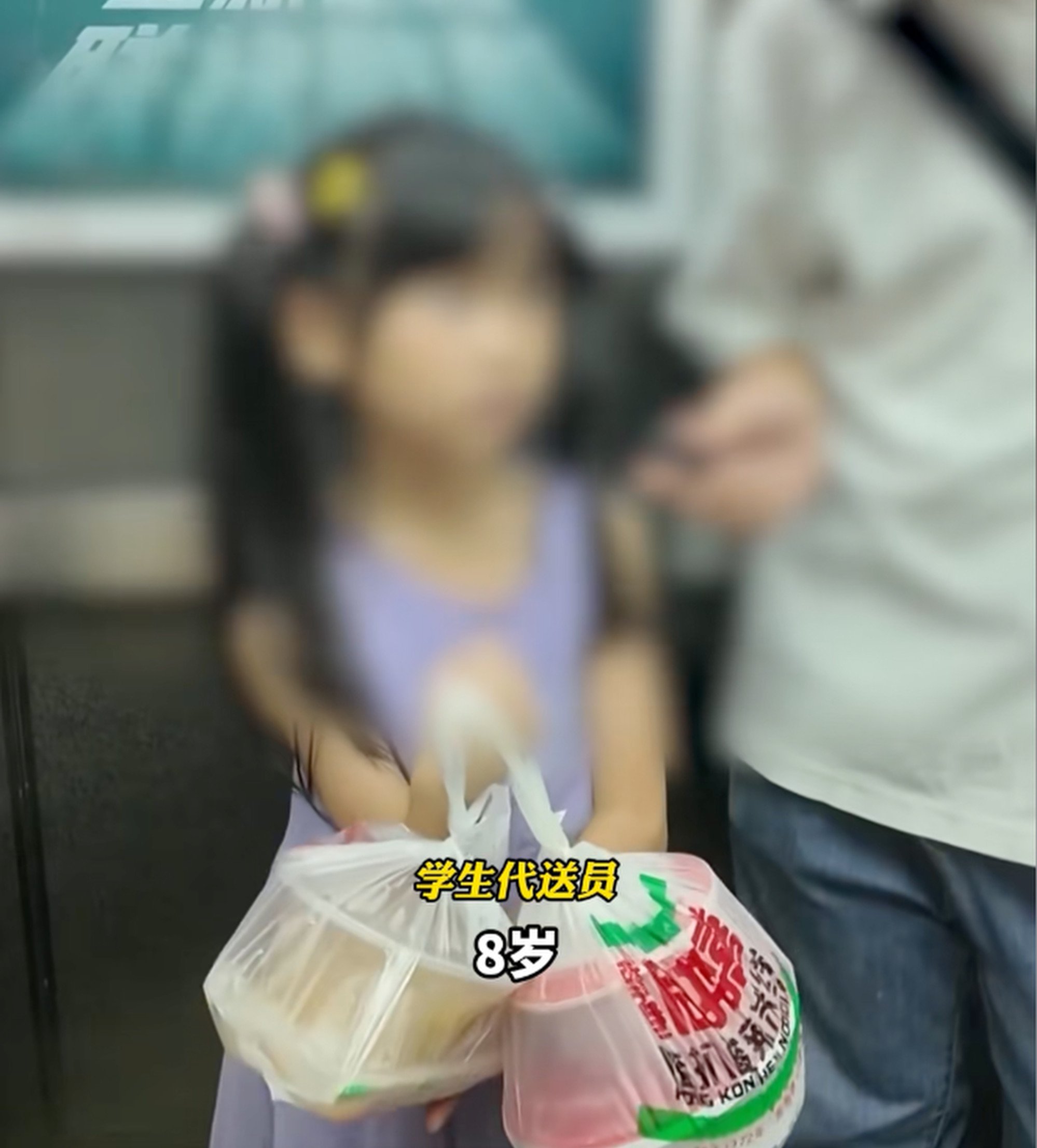
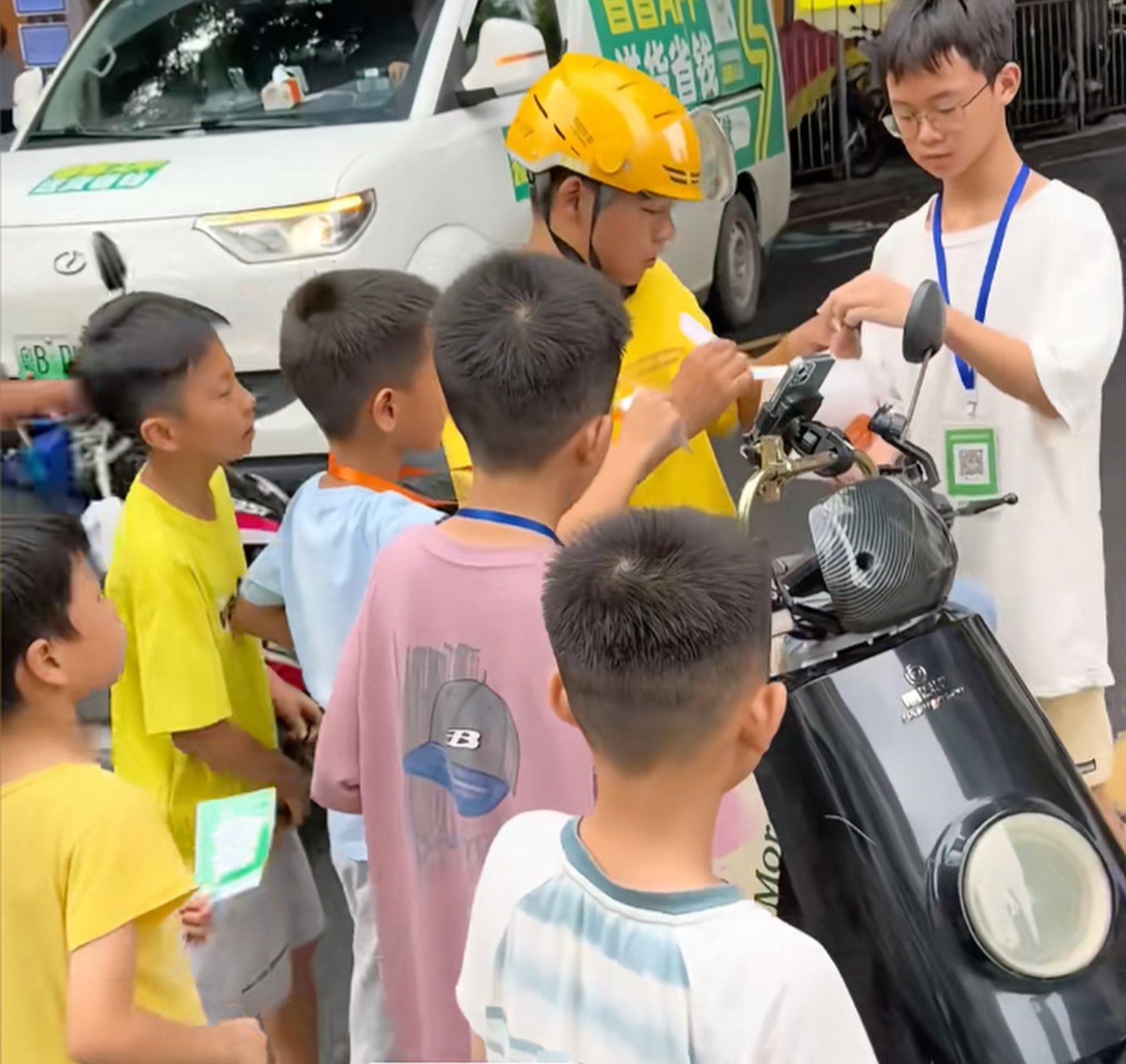
The children operated as gig workers who helped delivery riders carry orders and locate customers.
They wore a payment QR code around their necks and fought for orders whenever a rider wearing blue and yellow, the uniforms of China’s two biggest food delivery platforms, Meituan and Alibaba Group Holding’s Ele.me, came along.
Alibaba is the owner of the South China Morning Post.
The riders paid them two yuan (US$0.30) per order.
The trend arose because Huaqiangbei has a complicated structure.
Thousands of electronics stores are squeezed into buildings there, and deliveries can be speeded up by using people who know the place well.
Waiting for lifts during rush hours also takes time.
As a result, some riders outsourced the last leg of their work to others.
The delivery riders only earned about three yuan (US$0.40) per order after paying the children, but many said the time saved was worth it.
According to the Shenzhen Evening News, the last-stop service in Huaqiangbei has existed for years.
It had been mostly carried out by cleaners and full-time deliverers. One woman said she could get up to 500 orders from riders.
As children joined the business, some deliverers became brokers, outsourcing the orders at one yuan per order.
The children used were mostly 10 to 12 years old, the youngest being only eight.
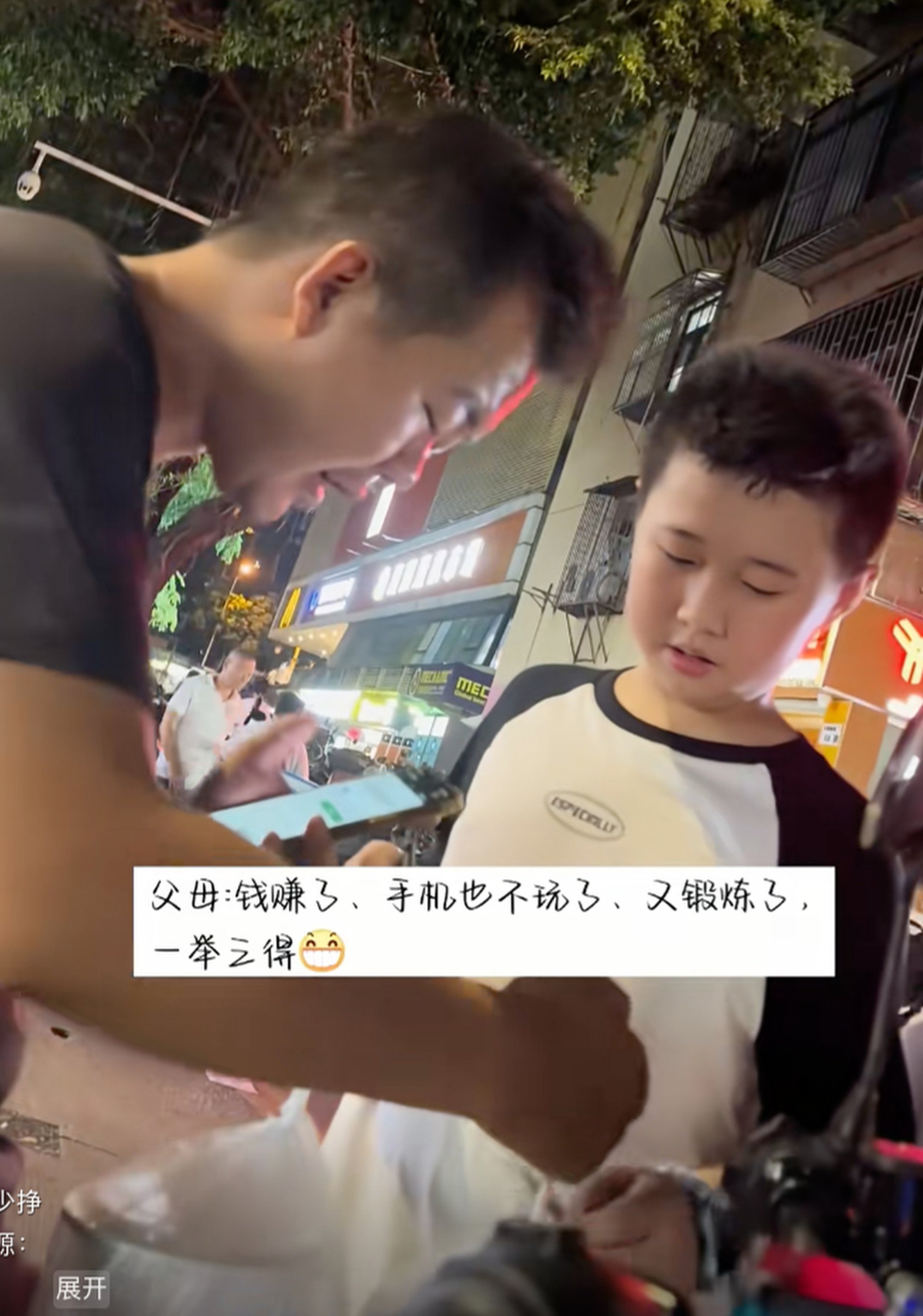
Some were the children of shop owners in Huaqiangbei, while others were brought in by their parents to “experience life and learn willpower”.
One parent said he brought his children to work as deliverers because “they only played with their phones at home”.
Another parent who works as a teacher let his 10-year-old daughter try the job to teach her how difficult it was to make money.
“I used to be timid, but now I can solicit business,” said one child who did the job.
However, business in the market raised safety concerns.
Some worried that children were more likely to encounter danger, while others were concerned about the safety of their food.
“It is a good way to train children, but if there are any accidents it is hard to determine responsibility,” one businessman said.
“I do not think these kids are supervised by the delivery platforms. I am worried about the food not being delivered or being spilled,” said another.
On August 4, the local government issued a notice to end the service.
They also said they had spoken to food delivery platforms and told them to discipline their riders for outsourcing to children.
The government has also prepared extracurricular classes and extended the community library’s opening hours to encourage children to partake in better pastimes. – South China Morning Post


