Saviours in steel: Robots could help find survivors quicker, reduce risk to humans in rescue missions


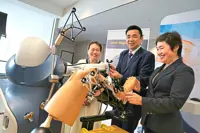
Ahmad Athif says there are plans to expand the X3cator robot for other uses such as to inspect an area for safety. — Photos: AHMAD 'ATHIF MOHD FAUDZI

On a sunny day last March, all eyes were fixed on a 46cm robot. Its mission: to map the surroundings for rescuers, detect poisonous gas and search for survivors.

Led by Prof Dr Ahmad ‘Athif Mohd Faudzi, it was a demo to showcase the X3cator robot, and the “survivors” were actually mannequins dressed as human workers to simulate a real-world scenario.

Follow us on our official WhatsApp channel for breaking news alerts and key updates!
Technology , AI , Robotics

Next In Tech News

Like fancy Japanese toilets? You’ll love the sound of this.
Facebook 'supreme court' admits 'frustrations' in five years of work
Russia restricts FaceTime, its latest step in controlling online communications
Studies: AI chatbots can influence voters
LG Elec says Microsoft and LG affiliates pursuing cooperation on data centres
Apple appoints Meta's Newstead as general counsel amid executive changes
AI's rise stirs excitement, sparks job worries
Australia's NEXTDC inks MoU with OpenAI to develop AI infrastructure in Sydney, shares jump
SentinelOne forecasts quarterly revenue below estimates, CFO to step down
Hewlett Packard forecasts weak quarterly revenue, shares fall

Others Also Read