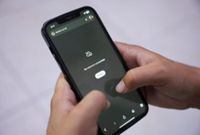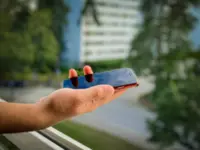
The phone is still out on the terrace when the rain starts. You grab it quickly and dry it off – will it be OK? Probably.
"Any mobile phone should be able to endure a few raindrops," says Michael Wolf from German consumer goods tester Stiftung Warentest.
The organisation simulates such situations in its testing. "Most devices survive this without any problems," he says reassuringly.
"Many models do not mind a short dip in the tub or having a glass tipped over them because their housings are glued to be waterproof and protected with additional rubber seals against the ingress of water," according to Rainer Schuldt of Computer Bild magazine.
So water should dry off quickly, but it's a different matter when salt, acid, chlorine or soap are involved. Water-protected devices should be rinsed immediately with pure water after coming in contact with these substances, Schuldt advises. Lemonade, cola and beer can also be more damaging than water because of the sugar in them.
An indicator of how waterproof a device is is provided by the IP number, which consists of two digits: the first designates protection against foreign bodies such as dust, the second one against water.
If a phone has the number 8 as its second digit, it should be able to survive lengthy submersion without being damaged.
However, the IP number isn't everything. "The manufacturer must state clearly which test it has applied," Wolf says. For example, the test might be that the device can withstand 60 minutes immersed in 2m of water.
If an electronic device does come into contact with a liquid, there are two things you should do first: Turn off the device immediately to prevent short circuits, and remove the battery.
That's assuming the battery is removable. "Today they are often glued or only accessible with special tools," says Schuldt.
The next step is to dry out the device – but don't do so using a hairdryer, an oven, a microwave or the blazing sun. Instead, dab the case dry, remove the SIM and memory cards, and wrap the device in a paper towel. Then place it in a sealed plastic bag with uncooked rice for several days. The rice will absorb any remaining moisture.
Even better is to take the device to professionals. They can open the device, and dry and clean the circuit board, protecting it from corrosion. However, you need to weigh whether the value of the device merits that extra expense, or it's just better to try it yourself. – dpa
Already a subscriber? Log in
Get 20% OFF The Star Digital Access
Cancel anytime. Ad-free. Unlimited access with perks.