THE giant flags, unfurled about five minutes before kickoff, had nothing to do with the two teams about to play in a match that would help determine qualification for next year’s World Cup, global football’s biggest event.
As the national teams from Norway and Israel prepared to take the field, Norwegian fans raised a Palestinian tricolour flag and a banner that read “Let Children Live.”
Moments later, as Israel’s players lined up and their national anthem played, some in the home crowd booed and whistled.
The scene and a pre-game protest march by about 1,500 people were examples of how the world’s most popular sport has become a venue for demonstrations against Israel’s prosecution of the war in the Gaza Strip.
They are likely to persist even after a ceasefire took hold that mediators hoped would lead to the end of the two-year war.
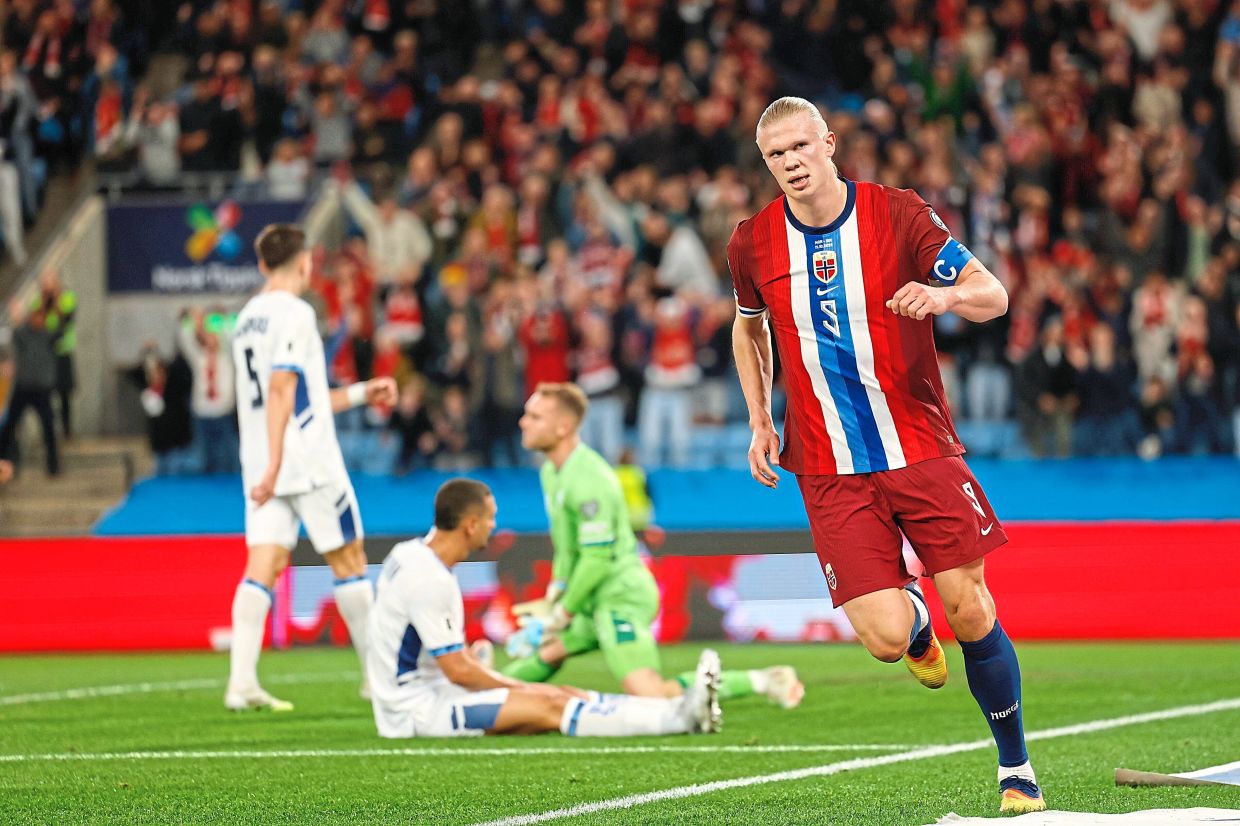
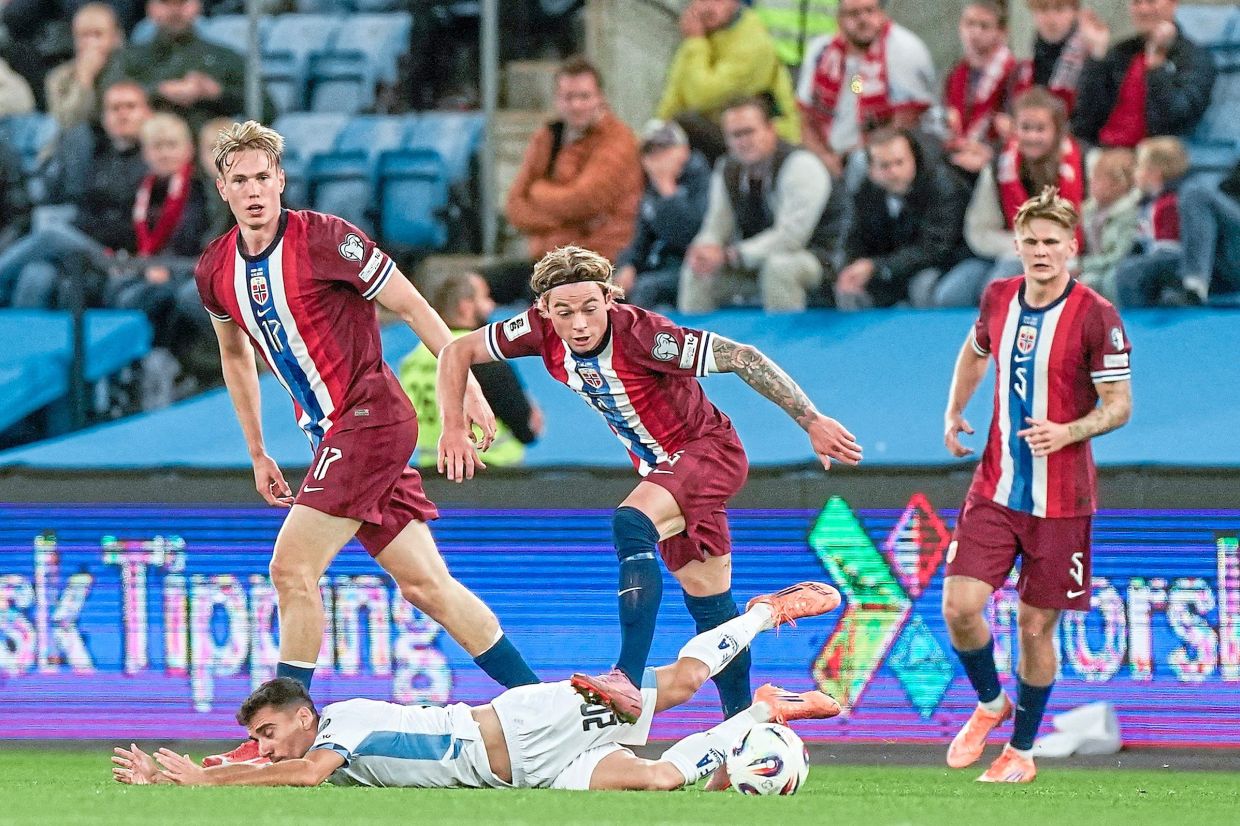
“It is our reality today,” Israel’s goalkeeper Daniel Peretz said after conceding all the goals in a chastening 5-0 defeat for his team.
From a football standpoint, the match was high-profile. It was billed as one of the most important in Norway’s football history, putting the country one victory away from returning to the men’s World Cup after nearly 30 years.
However, many Norwegian football officials and fans have long been outspoken about Israeli participation in the World Cup and viewed the match as an opportunity to highlight their message.
Norway’s football federation announced months earlier that they would donate the proceeds from the match to Doctors Without Borders for humanitarian work in Gaza.
In a corner of Andy’s Pub, a football-themed bar in Oslo, about a half dozen men from Tromso, a city close to the Arctic Circle, were downing beers before the match and dressed in Norwegian jerseys from the 1990s, when the team last played in the World Cup.
But they were missing one of their regulars. Ronny Jordness, 55, said his brother Kurt was boycotting the game.
“I tried to convince him that all the money goes to Gaza so he should come, but I was still not able to,” Jordness said.
Israeli officials were frustrated that the Norwegians had singled out the game for the charity donation, and reporters travelling with the team aggressively questioned Lise Klaveness, Norway football’s president, about it and other issues in a feisty news conference the day before the game.
Klaveness has been a focus of Israeli anger. She has said Israel should be barred from global football, as Russia has been since it began its full-scale invasion of Ukraine in 2022.
Outside in Oslo, organisers of a pro-Palestinian protest held a rally to kick off a 90-minute march through the city to the stadium. They attracted support from passersby who cheered from apartment windows and vehicles that had stopped to let them pass.
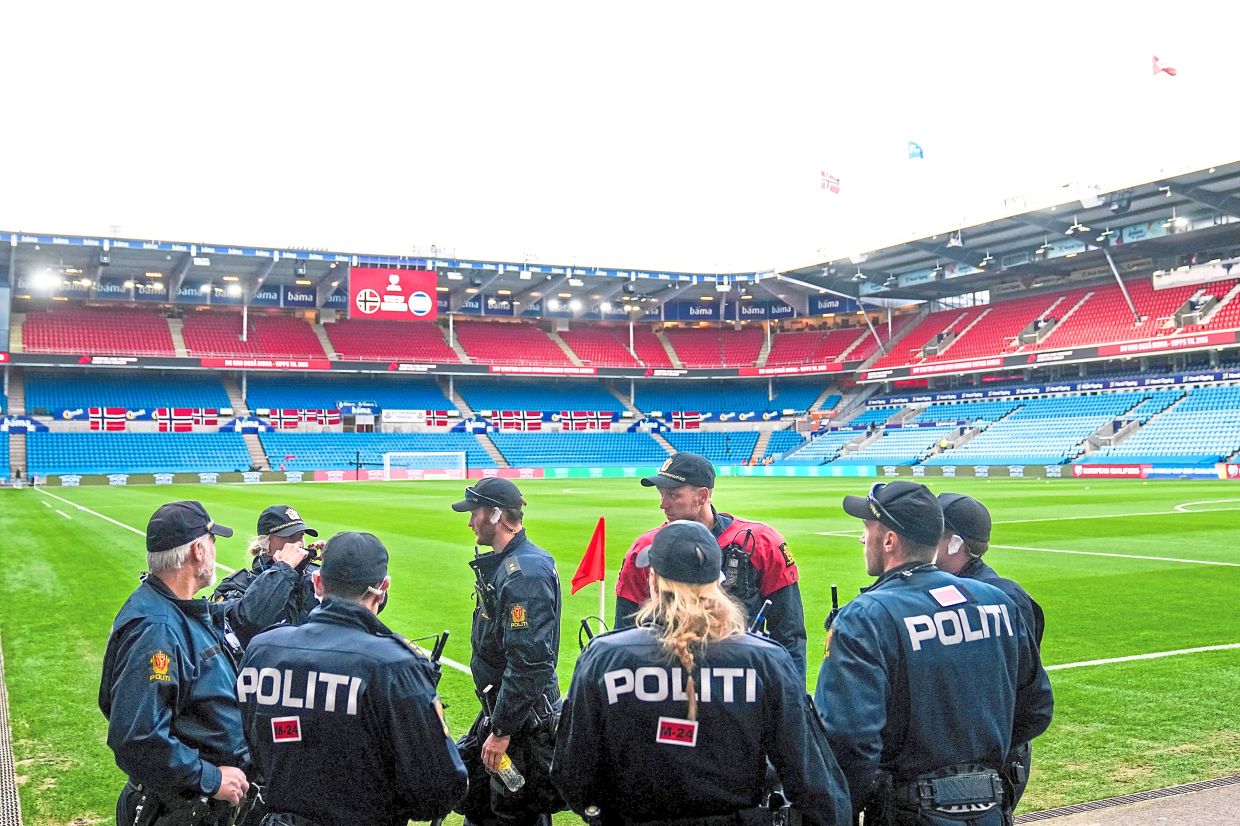
The security operation for the game, which included a no-fly zone over the stadium and road closures, was the biggest for any sporting event in Norway since it hosted the Winter Olympics in 1994. Israel’s 60-person travelling contingent included 16 security agents. Outside, the police arrested more than 20 protesters.
While Norway football officials had long called for action against Israel, other countries moved in that direction more recently as opinion in Europe over the conflict in Gaza began to shift more decisively against Israel.
In recent weeks, reports had begun to emerge that European football leaders were moving to bar Israeli teams from competition.
Israeli teams have traditionally played against European national and club organisations. Talk of a meeting to decide on a possible ban began to intensify, Klaveness said.
FIFA’s president, Gianni Infantino sought last week to calm fan opposition to Israel.
“Now there is a ceasefire; everyone should be happy about that,” Infantino said on the sidelines of a meeting of European football executives in Rome.
“Everyone should support that process.”
As the game in Oslo approached its end, with Norwegian fans jubilant and on the cusp of returning to the World Cup, a megaphone that had been used to start chants for Norway was handed to a man in a kaffiyeh, a symbol of the Palestinian resistance movement.
Moments later, the words “Free, free Palestine” rang out. — NYT