THE Education Ministry’s commitment to expanding access for students with special educational needs is commendable. Yet, while strides have been made in special needs education, the true test of progress lies in fostering genuine inclusion, where students with disabilities are not merely placed in mainstream classrooms but are embraced as valued members of the school community.
At the heart of this effort is the building of healthy peer relationships that have a direct relationship with social acceptance, as posited by numerous research papers in the area.
Social acceptance plays a pivotal role in the emotional and cognitive development of children with special needs, particularly in inclusive settings.
A recent study found that intervention programmes designed to foster peer connections significantly improved attitudes towards students with different abilities. Another meta analysis revealed that structured peer relationship programmes in inclusive classrooms led to stronger collaboration and social participation among students with and without disabilities.
These findings reinforce a simple truth, that friendships matter. When children with special needs form meaningful bonds with their peers, it doesn’t just enhance their self-esteem and sense of belonging; it transforms the entire school culture.
Conversely, social rejection can lead to isolation, anxiety, and diminished confidence, making the school environment a place of exclusion rather than empowerment.
But the benefits extend beyond students with disabilities. Their typically developing peers gain invaluable life lessons such as empathy, patience and an appreciation for diversity. These friendships cultivate compassionate, open-minded individuals who carry these values into adulthood, shaping more inclusive communities.
Creating an environment where these friendships can flourish requires intentional effort. Inside the classroom, activities like paired reading, group projects, and storytelling circles encourage collaboration. Beyond the classroom, initiatives such as inclusive sports, lunch buddies and drama clubs provide natural opportunities for connection.
The bottom line is that friendships are not just a social bonus, they are a necessity. Every child deserves the joy and growth that comes from meaningful relationships. By championing peer connections, we are not only enriching individual lives but strengthening the fabric of our schools and society.
The power of inclusion is undeniable. It breaks down barriers, challenges stereotypes, and builds a world that is more empathetic, more accepting, and more just. If we truly believe in education for all, then fostering these connections must be at the forefront of our efforts.
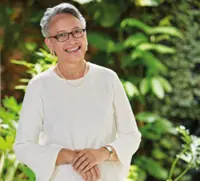
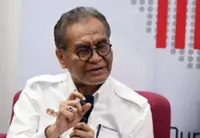
ANNETTE KRISTIN RUBAN and PROF DR SIVABALA NAIDU
Faculty of Social Sciences
Quest International University
Ruban is a lecturer in the Bachelor of Special Needs Education programme; Prof Sivabala is the Dean of the Faculty of Social Sciences.
Already a subscriber? Log in
Get 20% OFF The Star Digital Access
Cancel anytime. Ad-free. Unlimited access with perks.