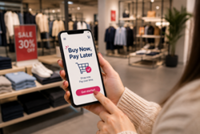
The Buy-Now-Pay-Later (BNPL) scheme has become a popular alternative to traditional credit cards, especially among young Malaysians. Its appeal lies in spreading payments for items of any range. It’s particularly beneficial for smaller household items, such as smaller-end furniture like desk lamps and bookshelves, making it an attractive option for those starting a new home. However, BNPL, not to be mistaken for credit cards and loans, is not meant for large-scale purchases like houses or vehicles, as it can create a false sense of financial capability.
Users must distinguish between wants and needs, especially during festive seasons, to avoid overspending. Financial literacy is crucial in managing BNPL commitments. The Education Minister should consider the sustainability of incorporating education on personal finance and basic accounting at the secondary school level. These lessons, along with role-playing real-life experiences, may equip young people with the skills needed to budget wisely and understand debt management. Encouraging a mindset of living within one’s means and recognising that BNPL does not equate to having additional disposable income is essential.
There is a clear need for stronger regulation of BNPL providers. The proposed Consumer Credit Act is a promising step forward, aiming to establish a Consumer Credit Commission to oversee these services. This framework ensures that fees are transparent, advertising is honest, and lending practices are responsible, thus protecting consumers from unfair practices. Additionally, setting spending limits based on income and enforcing stricter eligibility criteria, similar to those for credit cards, could help prevent users from taking on more debt than they can manage.
The government and financial institutions could introduce several practical measures to further reduce the risks of overspending and debt accumulation. For instance, funds could be allocated to establish a centralised monitoring system to track BNPL commitments across different platforms, preventing users from unknowingly exceeding safe borrowing limits. Additionally, regular public awareness campaigns focusing on the importance of budgeting could play a vital role in encouraging responsible financial habits, not just for BNPL, but also for a day-to-day spending plan.
By combining financial literacy education, effective regulation, and responsible borrowing practices, BNPL can be a helpful credit tool without becoming a gateway to unmanageable debt.
Saw Yee Fung
MCA Youth Secretary General
Already a subscriber? Log in
Get 20% OFF The Star Digital Access
Cancel anytime. Ad-free. Unlimited access with perks.