




WALK into any Malaysian shopping mall or flower market during Chinese New Year and you'll spot them: tall, elegant branches covered in soft, fuzzy buds that look a bit like tiny cotton balls.
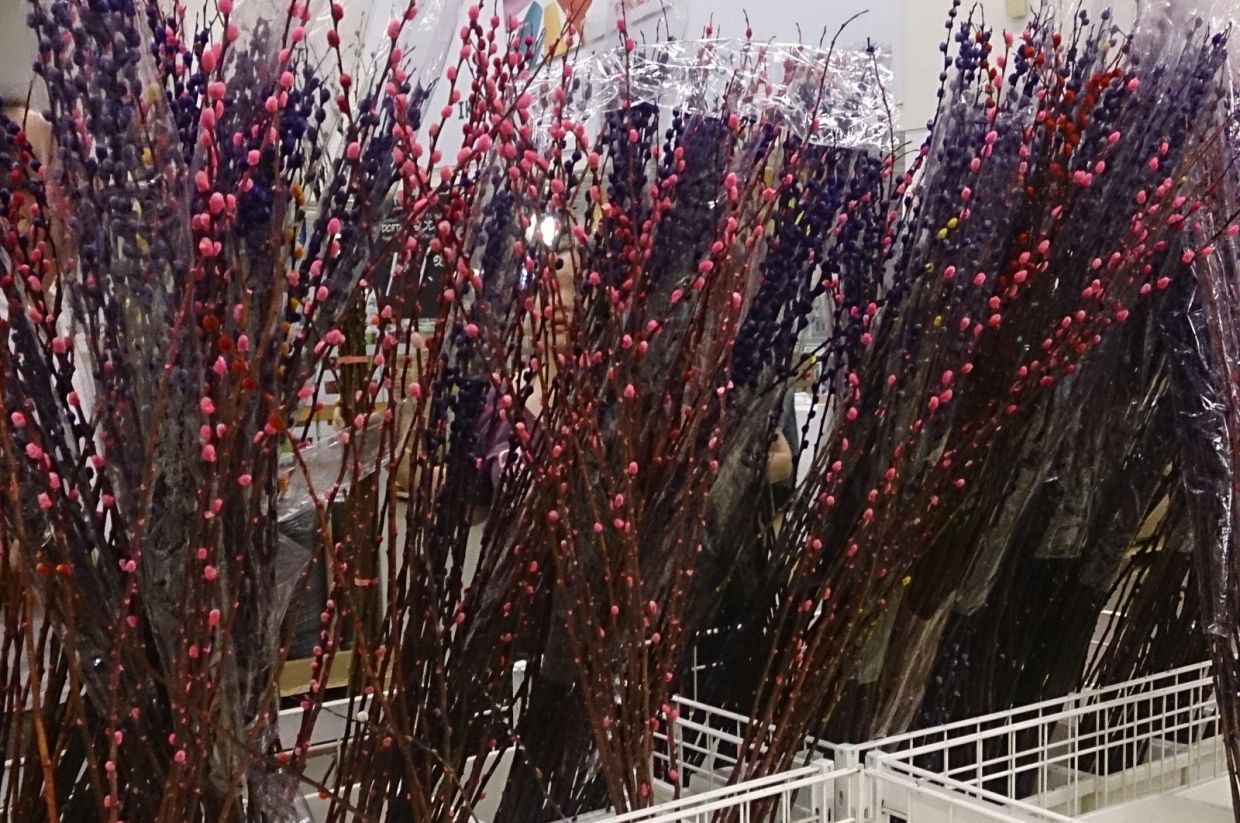
Pussy willows have become as much a part of CNY decorations as mandarin oranges and red lanterns, often dyed in bright colours and adorned with gold charms.
The reason you'll hear from aunties and florists is that these distinctive branches bring wealth because they look like silver ingots. But is there actually a traditional basis for this claim, or is it just clever marketing?
Verdict:

TRUE
Pussy willow branches are genuinely believed to bring prosperity in Chinese tradition, and their resemblance to silver ingots is indeed part of the symbolism.
The Chinese name for pussy willow is "yin liu" or silver willow, which already hints at its connection to wealth. But the prosperity symbolism goes deeper than just the name.
The soft, silvery-white catkins (those fuzzy buds) are said to resemble strings of silver coins or silk, which in traditional Chinese culture represent bountiful fortune.
As the branches are typically sold in tall bundles, often taller than a person, they're also associated with growth and upward momentum in prosperity.
In Cantonese, the name sounds similar to the phrase "yau ngan yau lau", which literally means "have silver, have property".
This linguistic connection makes pussy willows an instant favourite during Chinese New Year for anyone hoping to manifest both cash and real estate in the coming year.
Historical records show that pussy willows have been displayed during Chinese New Year celebrations for centuries.
The tradition isn't just about what the buds look like now, but also what they represent in terms of timing and transformation.
Pussy willows bloom in late winter or early spring, right around the Chinese New Year period. The branches start bare and seemingly lifeless, then suddenly burst into those distinctive soft buds, which eventually give way to bright green jade-coloured shoots.
This transformation from bare branches to fluffy buds to green growth symbolises the awakening of new opportunities and the coming of spring prosperity.
In Chinese tradition, this progression represents the journey from potential to abundance.
The boat-shaped silver ingots called "sycees" or "yuanbao" that the catkins are said to resemble were actually used as currency in imperial China for centuries.
These ingots remain a powerful symbol of wealth and prosperity in modern Chinese culture and are commonly depicted during CNY festivities, making the pussy willow's resemblance to them particularly auspicious.
When displayed in homes and offices during Chinese New Year, pussy willow branches are typically decorated with red ribbons, gold charms and other ornaments in colours and textures that signify prosperity and happiness.
In Southeast Asia, felt pieces in red, pink and yellow are also common decorations.
The branches can be displayed in their natural silver-white colour or dyed in vibrant shades of red, yellow, gold and even purple. Natural or dyed, the symbolism remains the same: growth, prosperity and good fortune.
Florists and feng shui practitioners note that pussy willows are considered one of the must-have traditional elements for Chinese New Year.
So yes, the belief that pussy willow branches bring prosperity because they resemble silver ingots is a genuine part of Chinese New Year tradition, rooted in both visual symbolism and linguistic meaning.
Whether you believe in the fortune-bringing properties or just appreciate the aesthetic, there's no denying that these elegant branches have earned their place as a Chinese New Year staple.
References:
1. https://www.becoming-carmen.
2. https://floweraddict.com/8-
3. https://www.topchinatravel.
5. https://www.flowerchimp.com/



