Vietnam firms look for alternative sources of raw materials as epidemic closes China market


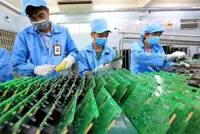
Workers at a textile factory. Vietnamese enterprises have already started looking to alternative sources of raw materials to deal with a shortage of raw materials due to the epidemic in China. VNA/VNS Photo Thanh Vũ

HCM CITY, Feb 17 (Vietnam News/ANN) — Vietnamese companies, many of whom are facing a shortage of feedstock and raw materials as a result of the new coronavirus (COVID-19) outbreak in China, have started looking at alternative sources.

The epidemic has had a significant impact on public health, transportation, tourism, education, and, importantly, trade and commerce, experts said.

It has affected Việt Nam’s trade not only with China but also other markets, and started hurting Vietnamese businesses.

According to the Department of Import and Export under the Ministry of Industry and Trade, the impacts include prolonging delivery times and customs clearance due to the quarantine requirements on both sides.

In addition, trade by road, rail and air with China has slumped.

With Chinese goods not available, Việt Nam has been unable to source imports, which has affected its production and exports to third markets.

Many textile and footwear enterprises are therefore looking at raw material imports from other markets such as South Korea, India, Bangladesh, and Brazil.

Phạm Xuân Hồng, president of HCM City’s Textile Association, said this would only be a temporary solution since China could not be replaced as the main supplier by anyone else due to its much lower costs.

Trương Văn Cẩm, vice chairman and general secretary of the Việt Nam Textile and Apparel Association (Vitas), said the textile industry sources a significant proportion of feedstock from China.

The epidemic has caused Chinese businesses to shut down production, especially in Wuhan, where there are a number of large factories, he said.

Since many textile plants in China are likely to be closed until the end of February or even longer, supply to Việt Nam would be hard hit, he said.

If the epidemic continues for the next one or two months, the global economy, including Việt Nam, would be in trouble, he warned.

But this is also an opportunity for Vietnamese businesses to look for other sources to relinquish their dependence on China, he pointed out.

Other countries like Thailand, India and Indonesia are also looking for other markets to source raw materials from to reduce their dependence on China, he said.

Companies, especially small and medium-sized enterprises, need Government support in the form of preferential loans and access to new technologies to sustain their business, he added.

Get 20% OFF The Star Digital Access

Monthly Plan

RM 13.90/month

RM 11.12/month

Billed as RM 11.12 for the 1st month, RM 13.90 thereafter.

Best Value

Annual Plan

RM 12.33/month

RM 9.87/month

Billed as RM 118.40 for the 1st year, RM 148 thereafter.

Follow us on our official WhatsApp channel for breaking news alerts and key updates!

Next In Regional

TikTok darling and Cambodia's famous daughter Princess Norodom Jenna will headline the opening ceremony of the Asean Hyundai Cup
Trump touts Iran inspection deal as Tehran disputes claim
9.3 million�illicit cigarettes seized by Customs
Japan 'robot wolves' in high demand to scare off bears
Lula won’t sideline China or anyone in rare earths, tells Trump refining stays in Brazil
Asean still not ready to accept Myanmar leaders at summits, meetings, says Tok Mat
Anwar holds bilateral talks with S'pore, Laos counterparts
Asean vows to avoid export bans, share fuel as oil prices soar
China AI robot restaurant analyses diners’ faces, tongues to recommend health-focused dishes
Why China’s humanoid robots are still waiting for their ‘ChatGPT moment’

Others Also Read