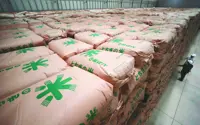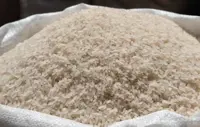
KUALA LUMPUR: Malaysia's rice self-sufficiency level remains at about 52% and has yet to show any increase due to a mix of structural constraints and climate-related pressures, says Agriculture and Food Security Minister Datuk Seri Mohamad Sabu.
He said the ratio was low due to, among others, shrinking and underutilised paddy areas; slow development of new padi land, particularly in southern states such as Melaka, Johor, Negri Sembilan as well as Sabah and Sarawak, where land conversion and rehabilitation are costly and time-consuming.
He said padi yields could not be increased without proper infrastructure, especially irrigation.
Although the government had already spent about RM1bil in the Muda Agricultural Development Authority (Mada) area, this only covers a relatively small portion of the necessary upgrades and is still at an early stage.
Malaysia's rice self-sufficiency ratio (SSR) stood at about 52.9% in 2024, still well below the government's target of 75% by 2025 and 80% by 2030 under the National Agrofood Policy 2021-2030.
"The government admits the gap is big and it cannot be closed with existing approaches alone.
"Long-standing problems – shrinking padi land due to land-use change; low and uneven yields between regions; rising costs of fertilisers, pesticides and labour; slow mechanisation; and the effects of climate change, " he said during winding up the debate on the Motion of Thanks for the Royal Address in the Dewan Rakyat on Wednesday (Feb 4).
He also pointed out the longstanding issue of mixed and inconsistent rice grades in the market, saying that this problem has persisted for nearly 20 years.
To address this, the government will tighten quality control and grading, and Mardi has developed technology to detect and manage rice mixing.
Responding to concerns that cheaper imported rice might be repackaged and sold as local rice to command higher prices, Mohamad acknowledged that "traders have many tactics" but said the government's control and enforcement systems will continue to be strengthened.
He added that any policy changes must protect lower-income consumers, especially the B40 group.
Based on a six-month study, the ministry found that about 15% of Malaysians need rice priced at around RM26 for a 10kg bag.