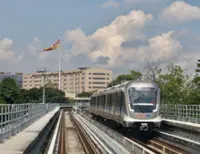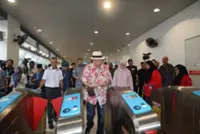
KLANG: The LRT3 Shah Alam line is on track to begin operations as early as March, following positive outcomes from ongoing test runs.
Its first batch of five trains, out of a total of 22 trainsets, have successfully completed the fault-free run (FFR) test, showing stable and consistent operational performance, according to Prasarana group chief operating officer (strategy and development) Dr Prodyut Dutt (pic).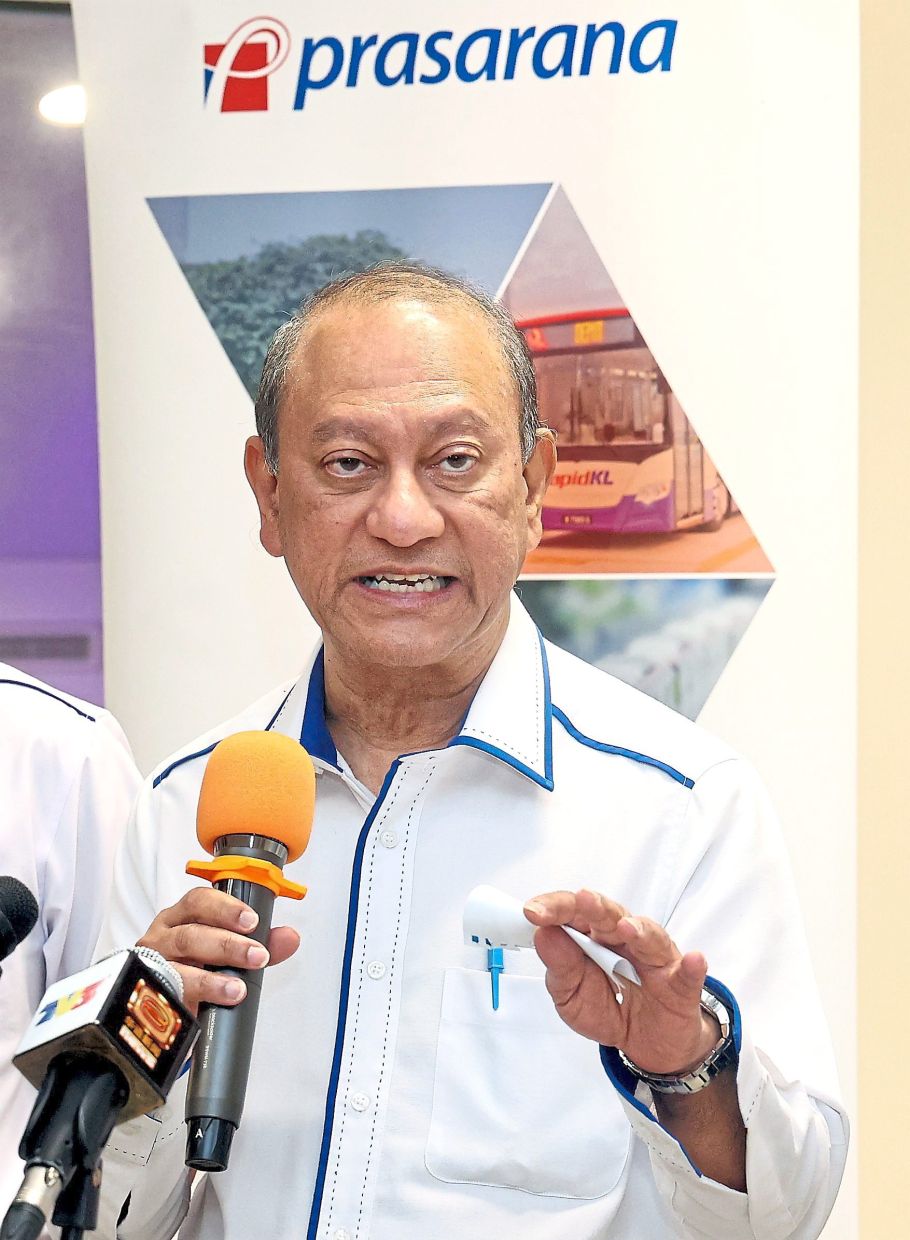
“Another trainset from the same group is currently in the final phase of testing and is expected to get through the FFR test,” he said.
Likewise, he said a batch of eight trains is also in its final testing phase and expected to be completed in stages by Monday.
Addressing a media briefing held together with the project’s main contractor Setia Utama LRT3 Sdn Bhd (SULRT3) yesterday, Dutt said that after tests on both train groups are completed, the project contractor will be given a week to update and enhance the system software and operational settings.
He said the FFR testing of the third batch of eight trainsets will commence soon after and is expected to be completed by Feb 28.
“After the FFR is done, we want to start the trial run immediately on March 1. The trial operations will be conducted by the operator, Rapid Rail Sdn Bhd, before the line prepares to enter full operational service,” he said.
Asked about the benchmark in the trial runs that determine whether train operations are fit for public use, Dutt said: “Among the factors we take into account are that there is no emergency braking, the preset stopping points are accurate, the doors open and close efficiently, and the train departs from the station based on the time specified.
“This shows that the software patches are working.”
Dutt said the FFR is a comprehensive integration test involving signalling and communication systems, trainsets (light rail vehicles) and the operational control system.
“We encountered 33 errors and glitches during the rigorous testing cycles which mainly were software related, all of which have been resolved. Other glitches, such as docking and departing stations and doors not opening automatically, were also overcome,” he said.
He added that all 22 trainsets will subsequently undergo a final detailed inspection aimed at checking and testing their “railworthiness” in compliance with the Railway Scheme and Technical Proposal for safe operations.
The inspection, he said, is a key prerequisite in the application of a rail operator licence from the Land Public Transport Agency (Apad).
At the media briefing, a SULRT3 spokesman said the certificate of completion and compliance was obtained by the contractor late last month.
Prasarana, the asset owner of LRT3, also said Apad carried out its final and detailed inspection at 51 of 52 locations along the line.
On concerns over the theft of rail line power cables, he admitted that it was an issue at a time, but added that such occurrences have sharply declined following police enforcement.