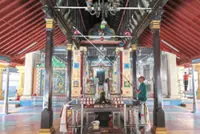
GEORGE TOWN: Every Thaipusam in Penang, Hindu devotees smash thousands of coconuts along the procession route of the golden and silver chariots in fulfilment of vows.
The ritual also attracts participation from the Chinese and Bengali communities.
Even foreign tourists are willing to wait for hours beside the coconut piles before the arrival of the chariot carrying Lord Murugan and the “vel” (spear), the deity’s sacred weapon.
Few realise that each coconut broken tells a story of hard work, prayers, hopes and family heritage, involving a chain of preparations that begins much earlier, especially for coconut suppliers.
For 41-year-old coconut supplier M. Joel Jayachandran, who has been in the business since he was 18, it is about more than buying and selling – it is a family legacy that has lasted nearly 30 years alongside his father.
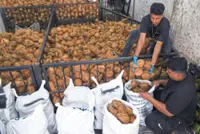
He said preparations for Thaipusam coconut supplies usually begin more than a month in advance, involving the selection of fruit at the plantation, cutting, husking, packing and delivery from the estate in Bagan Datuk, Perak, to his business, Joez Coconut in Penang.
Joel said demand rises during Thaipusam with 50,000 to 80,000 coconuts prepared annually depending on orders.
He said this year’s supply is more stable than last year, which saw shortages, but stressed that the price remains at RM2.50 per coconut, whether on normal days or during the festival.
“They need coconuts small enough to hold in one hand, as larger ones could slip and hit someone.
“Mawar coconuts are preferred for their medium size, unlike the bigger kampung, mataq or Indonesian coconuts,” he said.
The father of two said one of the challenges of the business is last-minute orders, which complicate the preparation process, as well as weather conditions.
His plantation was flooded last December, causing delays.
For those who come without prior orders, he added, they are always ready with a sales station on the day of the chariot procession, a day before Thaipusam.
Although the coconut business remains relevant, he acknowledged that the biggest challenge now is a shortage of labour for heavy tasks such as husking and processing coconuts.
Nevertheless, he believes that traditional businesses like his still have a bright future if managed properly.
Asked about the disposal of coconuts after the ceremony, he emphasises that suppliers do not reclaim broken coconuts.
Disposal is handled entirely by the Penang Island City Council.
Hindu devotees will celebrate Thaipusam on Feb 1.