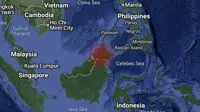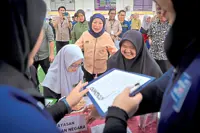
KINABATANGAN: For many voters from Kampung Kuamut, casting their ballot requires travelling a fair distance.
Their journey starts in Bukit Garam, the most developed part of Lamag in Kinabatangan, which is about a six-hour journey from the state capital Kota Kinabalu.
From there, voters must rely entirely on river transport to return home and vote in the Kinabatangan and Lamag by-elections.
At the Kampung Pengkalan Bukit Garam jetty, about 20 people waited with their belongings, preparing for the long trip upriver.
Among them was teacher Marjuki Maus, who said returning to Kampung Kuamut has never been easy.
“Kampung Kuamut is still without a proper road. Everything depends on the river. Still, I am determined go back because I must perform my responsibility to vote.”
Marjuki said travel time varies depending on the boat’s engine power, with smaller engines taking significantly longer to navigate the route.
Kampung Kuamut is a rural village with 813 registered voters.
The absence of proper road access has shaped daily life in Kampung Kuamut in ways that go far beyond elections, affecting access to education, healthcare and basic services.
Despite the hardship, villagers continue to make the journey home whenever elections are held.
Wawah Bantan said most of the voters returning to Kampung Kuamut now work in Sandakan or stay in Bukit Garam.
He said only about 300 residents still live permanently in the village, with many others having moved out over the years in search of employment and better access to services.
Wawah said families with school-going children often relocate because Kampung Kuamut has only a primary school, forcing students to leave the village for secondary education.
Others made the decision to move so elderly family members could live closer to hospitals and medical facilities.
Wawah said distance and difficulty have not diminished the villagers’ sense of responsibility.
“We still come back because it is our duty as citizens,” he said.