
KUALA LUMPUR: Several types of chemicals, which can be used to produce harmful substances, will now require special import or export licences as the government notches up its battle against illegal drugs.
The chemicals are restricted as they are believed to be used as “precursor chemicals” for manufacturing synthetic drugs such as methamphetamine.

Both these orders, which took effect on Jan 15, were signed by Second Finance Minister Datuk Seri Amir Hamzah Azizan.
Some of the chemicals include 4-piperidone, 1-boc-4-piperidone and BMK glycidic acid (also called P-2-P methyl glycidic acid), along with various “esters” (chemical variations) of these substances.
“Based on enforcement and intelligence gathering, some of the chemicals listed under the Customs Orders are integral chemicals used to manufacture synthetic drugs especially methamphetamine and amphetamine-type stimulants (ATS).
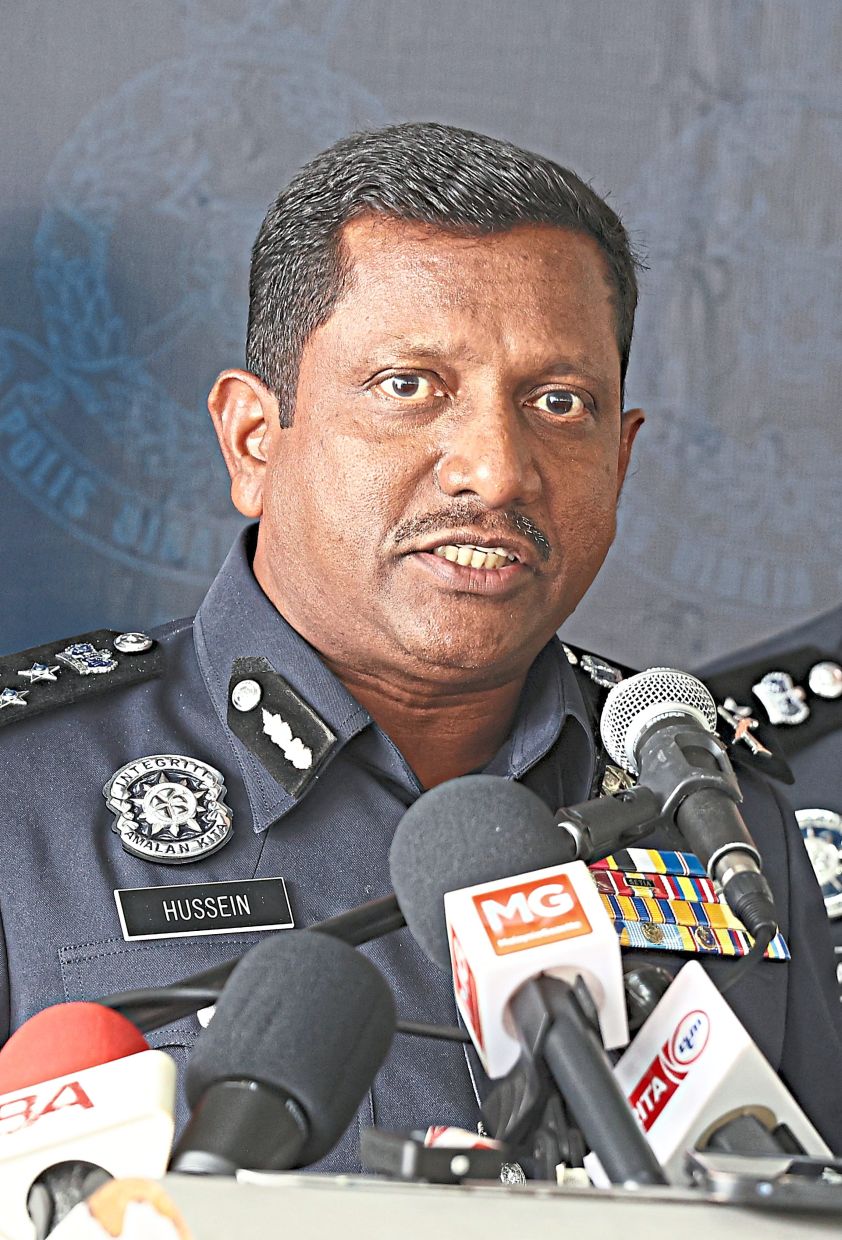
“While (the Customs Orders) are not a standalone solution, they are seen as a critical component of the country’s drug control ecosystem when combined with intelligence-led enforcement and international collaboration,” Bukit Aman Narcotics Crime Investigation Department (NCID) director Comm Datuk Hussein Omar Khan (pic) told The Star yesterday.
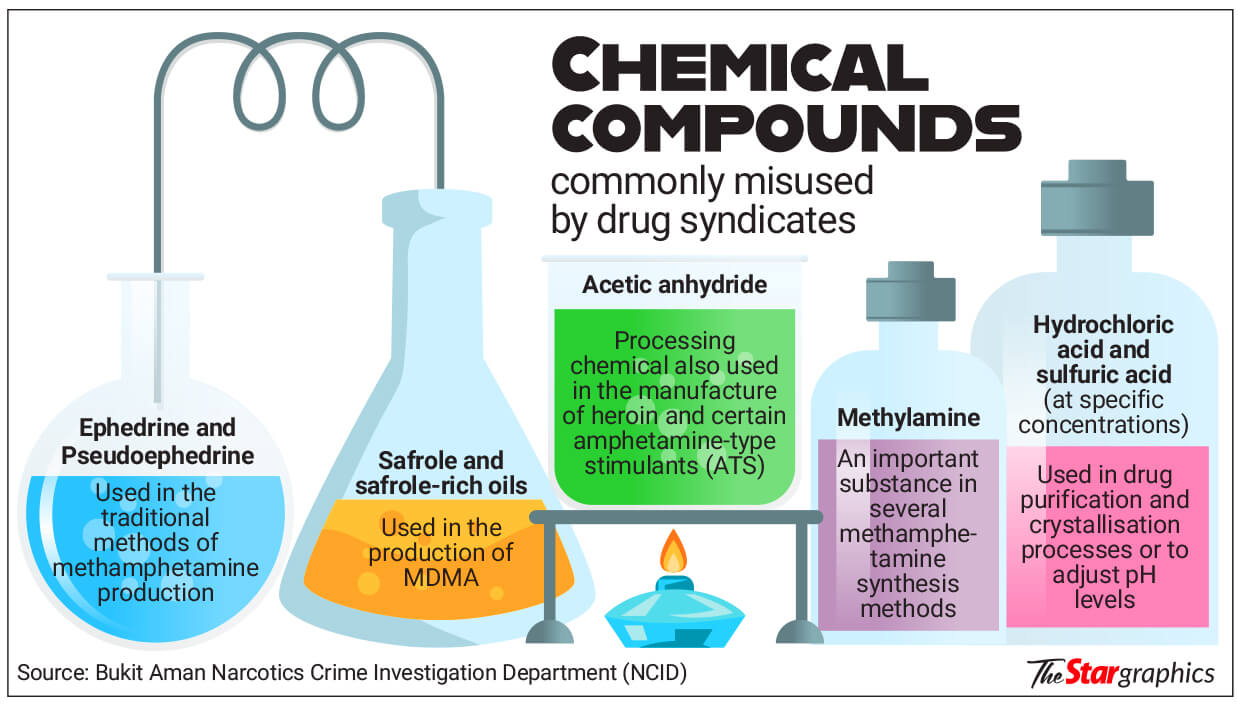
He said a range of chemicals commonly exploited by drug syndicates to manufacture illicit narcotics have been identified.
Acetic anhydride, a processing agent also associated with the production of heroin and certain types of ATS, is another key chemical of concern.
Other chemicals include red phosphorus and iodine, which are used in the conversion of precursors into amine forms that yield methamphetamine, as well as hydrochloric acid and sulphuric acid at specific concentrations.
These acids are commonly utilised in purification, crystallisation processes and for adjusting pH levels during drug production.
While some of these chemicals have legitimate industrial applications in sectors such as pharmaceuticals, cosmetics and manufacturing, Comm Hussein said enforcement efforts showed that they are often diverted by syndicates for illicit purposes.
“These include processing drugs in local clandestine laboratories or exporting the chemicals to other countries as part of an international production network.
“As such, the restrictions imposed are based on concrete intelligence and observed trends, rather than speculation,” he explained.
Asked about the impact on the export and import restrictions on domestic drug processing, Comm Hussein said the measures have “strong potential” to significantly curb activities, particularly by cutting off early access to essential raw materials, and increasing operational costs and risks for syndicates.
It would also reduce the number of small- to medium-scale drug laboratories operating locally, he said.
“However, the impact would not be absolute, as syndicates may attempt to source alternative substances, smuggle chemicals through third countries, or adopt different processing methods. Nonetheless, it is a very positive step forward.
“The overall effectiveness, therefore, hinges on sustained enforcement and close inter-agency coordination,” he added.
Comm Hussein said cooperation between the NCID and Customs Department has been positive, but there is room for improvement.
“Various areas of cooperation can be further strengthened, especially intelligence-sharing on high-risk chemicals, profiling of importers, exporters and suspicious consignments.
“We should also conduct joint operations at national entry points such as ports and airports, as well as the provision of technical input to the Attorney General’s Chambers and relevant ministries in drafting legal orders,” he said.
Comm Hussein said the NCID is expected to further reinforce such prohibitions through a more dynamic, risk-based approach.
“This includes regularly reviewing and updating controlled chemical lists, expanding oversight to high-risk dual-use substances, strengthening chemical supply chain intelligence, and enhancing regional and international cooperation to prevent route displacement.
“Such strategies are not merely reactive but focused on upstream intervention to dismantle syndicates before drugs are produced and distributed,” he said.
In line with this goal, Comm Hussein said he led a NCID delegation on a courtesy visit to Customs director-general Datuk Anis Rizana Mohd Zainudin on Friday.
“We aimed to bolster relations with Customs through coordinated enforcement and intelligence gathering efforts, especially in curbing the smuggling of illicit drugs via the country’s entry points,” he said.