KUALA LUMPUR: Malaysians can expect sweeping reforms in the Defence Ministry – particularly of the Armed Forces, as part of a comprehensive exercise to rebuild trust in the military.
This, said Defence Minister Datuk Seri Mohamed Khaled Nordin, would include a strong stance against corruption, tighter discipline and the use of digitalisation and artificial intelligence (AI) to improve governance and transparency.
The measures were announced following recent corruption allegations against senior military officers and alleged wild parties involving military officers.
Rebuilding trust, said Mohamed Khaled, will be prioritised as credibility is fundamental if the ministry is to carry out its role effectively.
Without trust, the ministry would exist without meaning, and only in name, he said in his New Year address at Wisma Perwira yesterday.
“Corruption, or even the perception of it, will no longer be tolerated.
“Those who compromise national security will face severe consequences.
“Corruption denies Malaysia quality defence assets, endangers our soldiers, causes wastage and inefficiency, and weakens us as a national defence institution,” he said, describing graft as a “cancer” that undermines the country’s ability to compete as a middle power.
He said the ministry’s anti-corruption plan would undergo a major overhaul this year, with all tender and procurement processes to be improved in line with best practices.
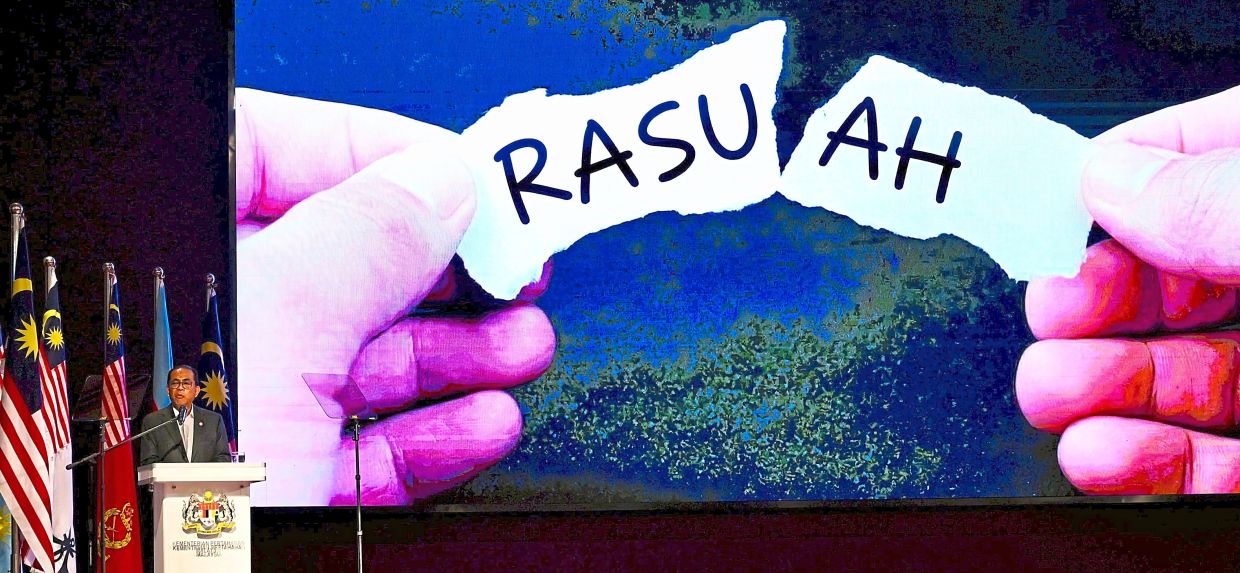
Integrity, he said, must go beyond rhetoric.
“We do not need more plans. We need action – firm, fair and without persecution,” he said, vowing strict enforcement of discipline, including a complete halt to bullying, oppression, immoral and hedonistic practices in military camps, such as the “yeye culture”.
“No woman should ever be treated as an object of sexual entertainment in messes or official premises,” he said, reiterating that unethical activities and those against Islamic values have long been banned in all military camps.
Individuals involved in such activities will be punished and dismissed from service in disgrace, he warned.
The minister also cautioned against using work hours to engage in leisurely activities, loiter or use social media excessively.
He said a nationwide digitalisation programme would be implemented to reduce human interference, prevent manipulation, and make processes faster, more transparent and comprehensive.
AI adoption, he said, will be a norm in all areas of management and talent selection, enabling the ministry to track allocations, performance and efficiency, identify leakages, and benchmark costs.
Data and social media analytics, he said, will eventually be used to evaluate those who aspire to join the military.
Mohamed Khaled said a board for the strengthening of integrity and trust will also be set up to provide a structured and credible internal channel for complaints, concerns and feedback.
“With effective internal controls, misconduct can be detected and addressed without external interference,” he said, adding that the board would be led by independent and experienced individuals in good governance.
Acknowledging that the ministry has been under intense public scrutiny following a series of controversies since last year, Mohamed Khaled said it could not longer be in denial as the damaging actions of a few have created a perception that the entire institution had lost its standing.
“Our credibility has begun to erode. This cannot be allowed to continue.
“The ministry and the Armed Forces must be resolute in making crucial adjustments to restore their credibility and standing in the eyes of the public,” he said.
By drawing from the private sector’s strong track record in strengthening public trust and institutional credibility, the ministry will adopt a comprehensive Environmental, Social and Governance (ESG) framework to enhance its capabilities.
Calling for the formation of a special task force to guide the development of an ESG framework tailored to the needs of national defence, he said national security considerations should no longer be used as a blanket justification to avoid becoming more open, dynamic, transparent and sustainable.
On the need to modernise and strengthen the Armed Forces, Mohamed Khaled said RM6bil has been set aside for the procurement of defence assets and equipment.
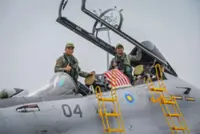
Several new assets are expected to be delivered this year, including four fighter lead-in trainer-light combat aircraft, three Anka medium altitude long endurance unmanned aerial systems, and five fast interceptor craft, he said.
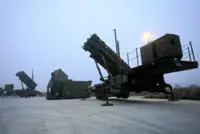
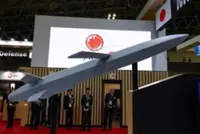
“We will also begin procuring new strategic assets this year, among them very short range air defence systems, short range air defence systems, a multi-role support ship, and medium range air defence systems,” he said.
National defence, he added, is a shared responsibility of all segments of society.
“To this end, the ministry will mainstream the whole-of-government and whole-of-society (Wogos) approach in national defence.
“This initiative has already begun with the implementation of a Wogos pilot model on Pulau Banggi, Sabah, last year,” he said, adding that such practical measures enhance security while supporting rural community development.