KUALA LUMPUR: Heavy rain, thunderstorms and strong winds may still occur from time to time in areas that are not typically affected by the Northeast Monsoon, given the right atmospheric conditions for such extreme weather.
Malaysian Meteorological Department (MetMalaysia) deputy director-general Ambun Dindang said that apart from the east coast of Peninsular Malaysia, Sabah and Sarawak, which are usually affected by extreme weather during the Northeast Monsoon, the west coast of all three regions could also experience similar conditions if atmospheric conditions supported the development of thunderstorms.
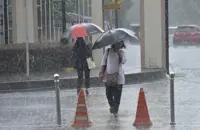
He said among the main factors influencing the occurrence of extreme weather were wind direction and speed, as well as wind convergence in a particular area.
"Throughout the Northeast Monsoon season, the most concerning factor is the presence of monsoon surges, as they can cause continuous rainfall lasting between one and three days," he said during an interview here on Wednesday (Jan 7).
According to Ambun, such prolonged rainfall could occur at moderate to heavy intensity and had the potential to increase the risk of disasters if the conditions persisted.
As a reminder for the public to remain prepared in facing disasters, he said MetMalaysia typically issued warnings for thunderstorms, heavy rain and strong winds under three levels of severity, namely Alert (Yellow), Warning (Orange) and Danger (Red).
"The alert level indicates a potential risk of extreme weather that still requires serious attention from the public.
"Although the monsoon is expected to end in March, the presence of monsoon surges that bring heavy rainfall can occur at any time and requires continuous monitoring," he said.
Ambun also said MetMalaysia conducted 24-hour weather monitoring and would issue early warnings as soon as signs of monsoon surges were detected.
He advised the public to always obtain the latest weather information from official MetMalaysia sources and to comply with authorities' instructions, including evacuation orders, to reduce safety risks during extreme weather events. - Bernama