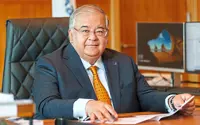
KOTA KINABALU: Proposals to form a bipartisan committee to oversee negotiations on Sabah’s 40% revenue entitlement and to amend the state Constitution to allow the state to collect the revenue directly will be brought to the state Cabinet for consideration, says Datuk Seri Masidi Manjun.
The state Finance Minister said the matters would be discussed at Cabinet level, as negotiations with the Federal Government were currently being conducted on a government-to-government basis in line with the Kota Kinabalu High Court ruling.
“I will first bring these proposals to the Cabinet for a decision,” he said during his winding-up speech in the Sabah Legislative Assembly on Wednesday (Dec 17).
The call for a bipartisan committee was raised by several Opposition (Warisan) assemblymen, including Likas assemblyman Tham Yun Fook and Usukan representative Isnaraissah Munirah Majilis, who said a united front would strengthen Sabah’s position in the negotiations.
Nominated assemblyman Datuk Roger Chin, meanwhile, separately proposed that the Assembly pass a motion to amend the state Constitution to allow Sabah to collect the revenue directly, place it into a consolidated fund, return 60% to the Federal Government and retain the remaining 40%.
In October, the Kota Kinabalu High Court ruled that Sabah is constitutionally entitled to 40% of net revenue derived from the state under the Federal Constitution, and ordered both governments to carry out a 90-day review to determine the amount payable, followed by a 180-day period to finalise implementation.
“It is an easy amendment, but the House needs to pass the motion, and see how we can go from there. At least we show how serious we are to get this done, so that this ‘how much I owe you, how much you owe me’ will not be an issue anymore moving forward,” Chin said.
Masidi stressed that while the court decision had conclusively affirmed Sabah’s right, negotiations could only focus on the quantum and method of payment, not the ruling itself.
“You cannot negotiate a court decision,” he said, adding that the focus should now be on implementation within the timeframe set by the court.
On concerns over the need for technical expertise in negotiations, Masidi said Sabah had already engaged experts over the past two years and identified the relevant tax components, but remained open to further professional input if necessary.
“Don’t underestimate the capability of Sabahans,” he said, adding that the state was prepared to secure additional expertise if required.
Masidi said any outcome from the negotiations would ultimately be referred to the Cabinets of both governments, reiterating the need for trust and unity among all assemblymen.
“We all have the same purpose, to see this issue resolved. We need to trust each other because everyone here wants the same outcome for Sabah,” he said.