



The word for tax tops vote as fiscal policies shape daily life
SHAH ALAM: The word shui, meaning tax, has been voted the 2025 Malaysia Chinese Character of the Year, reflecting the ongoing impact of tax policies on public life.
Han Culture Centre Malaysia president Datuk Goh Hin San said the character was selected because tax issues affect everyone, from households to businesses and the government.
“Shui reflects everyday realities, as many people are still feeling the impact of tax measures on their livelihoods,” he said.
Goh noted that the word appeared in the top 10 list for six consecutive years from 2014 to 2019, following the introduction of the Goods and Services Tax (GST).
He said after the GST was abolished in 2018, the word gradually faded from the list, but returned strongly this year amid new tax policies and renewed public debate.
Voters cited several reasons for selecting shui, including the replacement of previous government policies with new measures affecting the public and concerns over delays in tax refunds despite efficient tax collection.
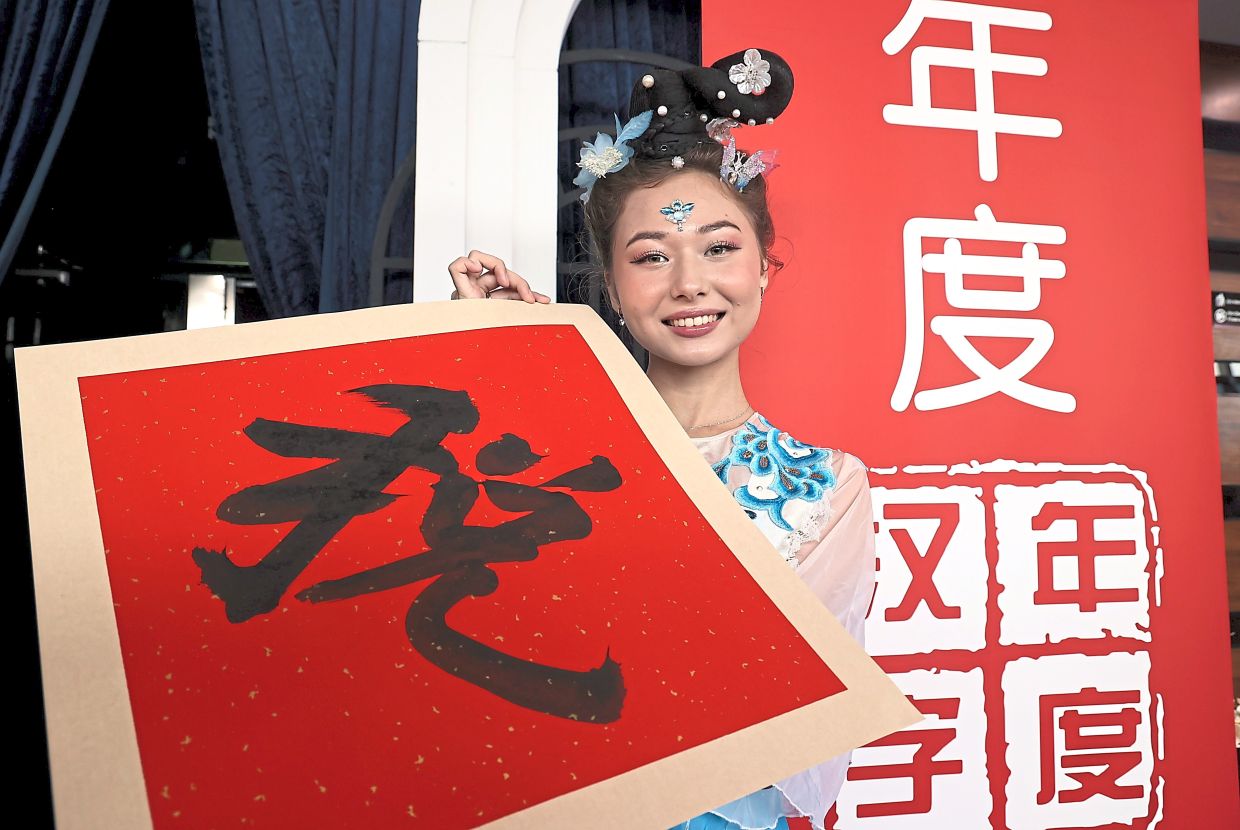
“The character secured 29.69% of the votes, followed by ba (bully) at 18.51%,” he announced at a ceremony to reveal the top 10 Chinese characters of the year yesterday.
The other words are yuan (aid), you (petrol), zha (fraud), xiao (school), jiu (liquor), qi (flag), meng (alliance, referring to Asean) and zhen (quake).
Hua Zong president Datuk Lim Kah Chuan said the tradition began in Japan in 1999 before spreading to China, South Korea, Taiwan and Singapore, and was introduced in Malaysia in 2011.
“Each character reflects social dialogue, national debates or public sentiment,” he said.
Lim noted that “jiu” drew attention from tourism banquet controversies and school alcohol restrictions, “you” reflects RON95 subsidy reforms, “zha” highlights fraud activities, “xiao” and “ba” reflect concerns over school bullying, “qi” marks national flag-related incidents and “zhen” follows a series of earthquakes, reminding Malaysians of the realities of natural disasters.
Jury member Datuk Koong Lin Loong said the selection of “shui” was influenced by factors including US tariff policies, adjustments to the e-invoicing threshold following pressure from SMEs, faster tax refund processing, Sabah’s tax revenue claims, higher sales tax rates, expanded service tax scope and public attention on stamp duty for employment contracts.
“The selection reflects public hopes that the government will consult more widely before introducing tax reforms, to avoid policy reversals and ensure taxation supports national development,” he said.
