IPOH: Greater transparency and collaboration are needed for development in environmentally sensitive areas in Cameron Highlands, says an environmental NGO.
Regional Environmental Awareness Cameron Highlands president A. Dilip Martin said Friday’s landslide near Puncak Arabella Apartments in Tanah Rata could have been prevented.
He said prevention requires authorities, contractors and communities to work together with transparency, strict enforcement and respect for environmental risks.
“Our goal is not to oppose development, but to ensure it is safe and responsible,” said Dilip.
“We hope the government takes the Puncak Arabella incident as a reminder to tighten oversight,” he added.
Dilip said approvals in sensitive areas must be granted with greater caution.
“Agencies must institutionalise civil society involvement, not merely as observers but as official stakeholders,” he said on Saturday (Nov 29).
Dilip then said stakeholder recommendations should be documented and formally answered.
“All EIA and planning approvals must require public hearings with minutes and feedback made public. This ensures no agency can bypass environmental concerns,” he added.
He said risk assessments, slope stability and EIA compliance reports should be accessible online.
“When data is public, authorities are more careful and communities can monitor in real time,” he added.
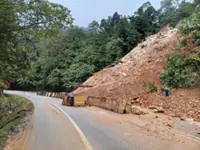
A landslide struck a slope near Puncak Arabella Apartments at about 8.30pm on Friday.
Soil covered and blocked the access road to the apartments, he said.
Dilip said all approved and pending projects must be reviewed for safety.
He cited an agriculture project in Sungai Burung that suffered severe landslides despite approvals and added the contractor failed to follow required on site procedures.
“We have repeatedly reminded agencies to halt earthworks during the monsoon,” he said.
“These warnings were often ignored until tragedy occurred All approvals must follow established guidelines, not discretionary decisions,” added Dilip.
He said this is critical for elevations and slopes above 45 degrees.
Dilip said local community voices must be recognised institutionally.
“When early warnings are overlooked, there must be stronger accountability channels,” he said.
“Residents and NGOs need safe, official reporting channels with guaranteed follow up. Authorities must take environmental warnings seriously. This requires strong direction from state and federal governments,” added Dilip.
He said agencies must not ignore legitimate environmental concerns.
Dilip said contractor accountability must be strengthened.
“Contractors cannot self-monitor. Independent certified slope and EIA compliance auditors should conduct scheduled and surprise checks,” he added.
“There must be strict penalties for non compliance, as fines alone are not enough,” added Dilip.
He said contractor licences should be suspended and blacklisted for repeat violations.
“Criminal liability should apply where negligence causes environmental damage or loss of life. When consequences are real, compliance improves,” said Dilip.
“There should be real time monitoring at all project sites,” he added.
Dilip said data should be transmitted to authorities and visible to the public, adding
enforcement should be strengthened and given more independence.
“Residents and NGOs can be included in joint inspection teams,” he said.
He said this ensures more eyes on the ground and faster reporting of violations.