



PETALING JAYA: When disaster strikes, most freeze in fear but for rescuer K. Balasupramaniam, every moment of crisis is a call to action, whether they are victims of floods in the country or those trapped under rubble overseas.
Known to his peers as Capt K. Bala, the 51-year-old continues to dedicate his life to saving people from major disaster missions both locally and abroad.
He is also driven to instruct people to save themselves and others, turning tragedy into training and despair into discipline.
Bala’s inspiration to become a rescuer and a safety educator began from a young age after hearing stories from people about their near-death experiences.
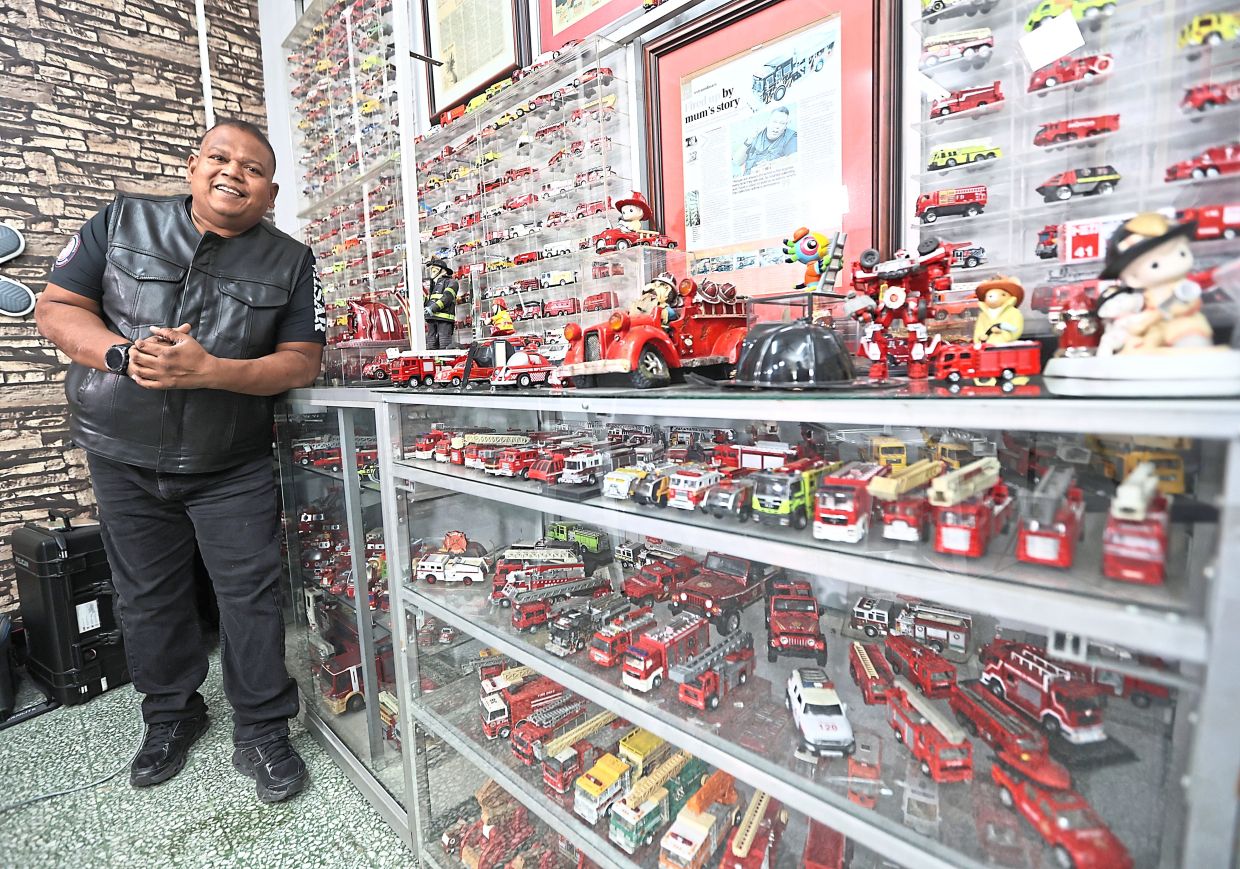
“It made me realise that people don’t die because help doesn’t arrive. Oftentimes, they die because they don’t know what to do. I wanted to change that,” he said.
These haunting stories became both his earliest lessons in safety and eventually his lifelong mission as it led him to first try out as a cadet fireman when he graduated from school.
He then founded the Malaysia International Search and Rescue (Misar) in 1991 with a clear goal – to build a platform where Malaysians with a heart to serve can respond to emergencies properly, professionally and systematically.
Driven entirely by a desire to save people in their time of need, his new all-volunteer group then began helping out disaster victims in local operations across the country from the annual floods to the infamous 1993 Highland Tower disaster.
However, his biggest challenge would come on Misar’s first-ever international mission to the 2003 Bam earthquake in Iran as they battled various dangers to rescue victims from crumbling buildings.
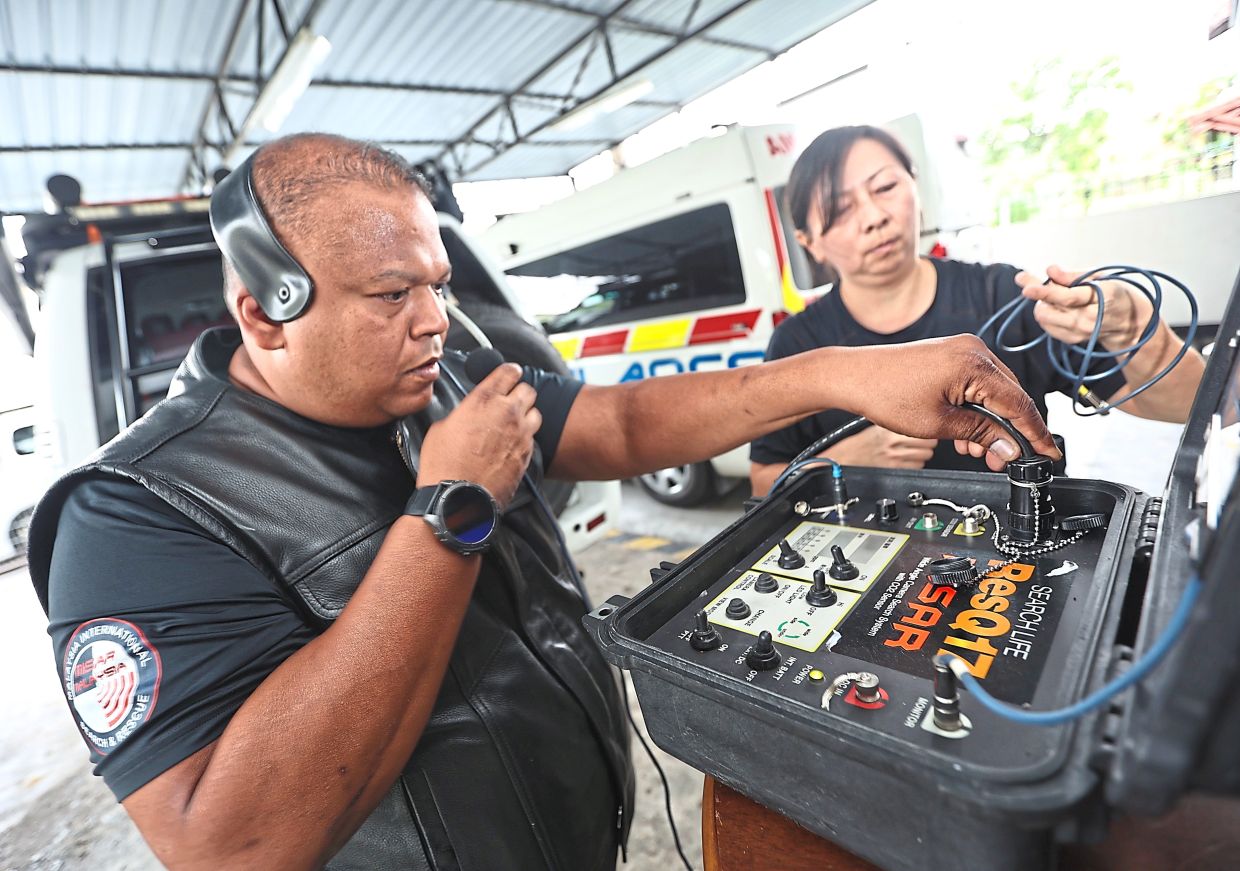
From braving the hot sun during the day to working in freezing conditions as low as -11°C during the night in isolated zones, Bala and his team overcame various dangers to both rescue others and to survive.
“We were surrounded by sandcastles of collapsed clay homes that could crumble and bury us alive if there were aftershocks.
“This meant we had to watch out for each other. It wasn’t just a rescue mission – it was survival.
“There was also a language barrier since no one could speak Persian. It was difficult to communicate with the victims as well as the local rescue teams,” he said.
The experience, which would have traumatised many, sparked a flame within Bala and his team, pushing them to take on more international search and rescue (SAR) missions whenever possible to learn.
“When people thanked us for coming, I told them – you gave us the opportunity to learn. That’s how we grow.”
Since then, Misar has taken part in over 10 international SAR missions, including the 2004 Indian Ocean tsunami in Aceh, the 2008 Sichuan earthquake and the 2015 Nepal earthquake.
Using their invaluable disaster rescue experience, Bala and his team then began developing training modules to train new members, as well as locals as their mission remained rooted in one belief – that survival begins with knowledge.
This led him to found the Code Red Survival Academy, which features training grounds, simulation equipment and a shallow pool for flood survival exercises.
Here, his team trains teachers, caregivers and members of the public on flood safety and disaster training – often free of charge.
“Even the poorest child should have the chance to learn how to save themselves and their loved ones,” he said.
This conviction spurred Bala and his team onto their next goal – to teach children how to save themselves.
In 1994, he founded the first children’s safety programme, named the FIRES Kids Club safety workshop.
Using a play-based training module, over 600,000 children have been trained in safety programmes which include road safety training, and responding to fires, floods and other emergencies.
But the real payoff for Bala came years later. He recalled meeting a young man, who attended one of his training sessions as a college student.
“I always aimed for something that would have a lasting impact, so that encounter really touched me. That’s when I knew we were changing lives.
“This is why everything must be documented and done right, so the next generation of volunteer rescuers can carry it forward,” he said.
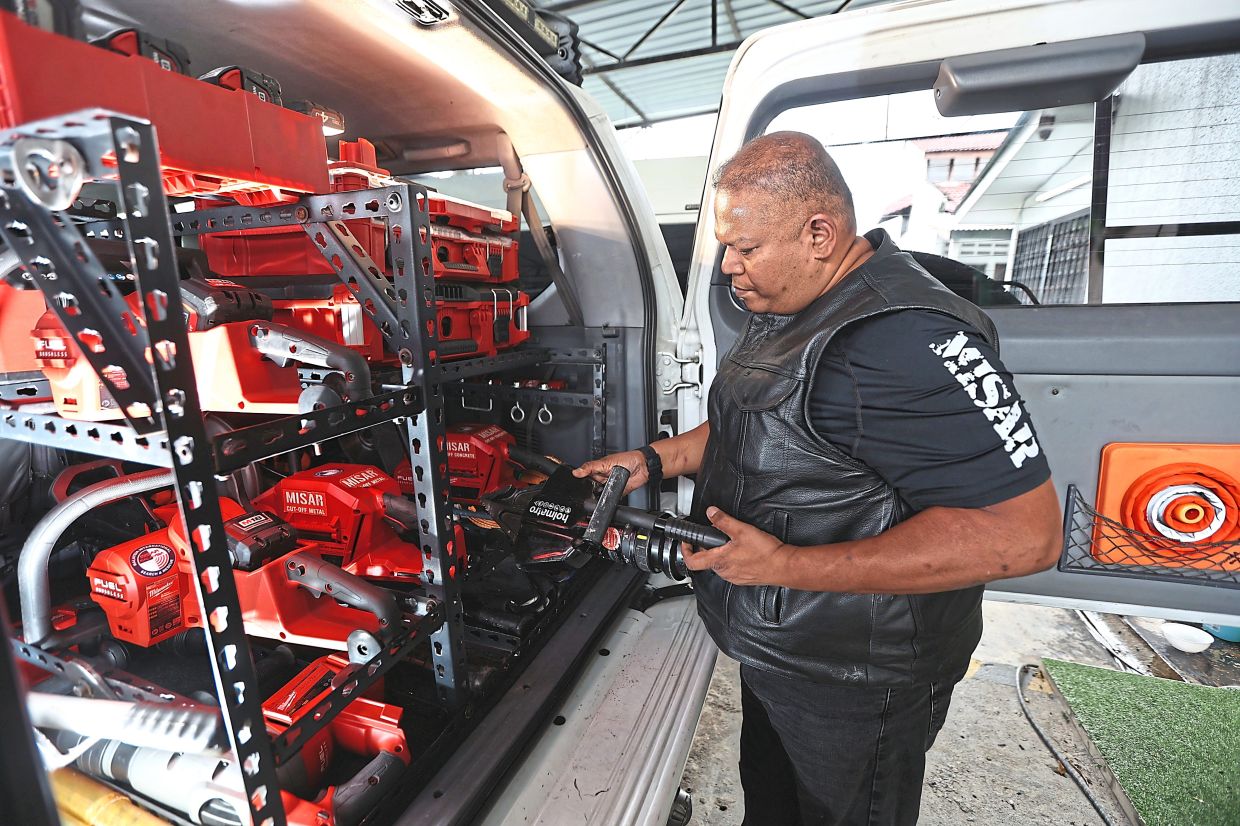
Bala’s drive to save others doesn’t stop at training and on-field rescue but also in his innovative emergency equipment such as the Capsule Relief Guard, a waterproof, solar-powered survival capsule that can sustain up to 144 people in disaster zones when cut off from aid.
But, despite his achievements, Bala still dreams of building Malaysia’s first dedicated children’s safety academy to equip even more young Malaysians with life-saving knowledge so that when the time comes they can save themselves or others around them.
On being a winner of the Star Golden Hearts Award (SGHA), Bala remains humble, saying: “Awards are not just recognition – they are a benchmark to remind us that we cannot go any lower than that.”
For his outstanding efforts, Bala is named as one of the 10 winners of the SGHA 2025.
SGHA is an annual award by The Star that honours everyday Malaysian unsung heroes.
For details, visit sgha.com.my.

