
PETALING JAYA: Many consumers, particularly the elderly, are putting their health at risk by buying supplements online after being swayed by social media influencers and online sellers.
For some, the consequences are already apparent.
Sam Ahmad, 37, recently discovered that his diabetic mother, in her 60s, had purchased an immunity-boosting supplement promoted on a social media platform, only to suffer stomach pain weeks later.
ALSO READ : Experts call for better checks and balances
“She told me she wanted to strengthen her immune system.
“She saw celebrities and influencers promoting the product and felt that it was probably genuine. So my mother wanted to try it,” the private sector employee said.
He said the seller did not ask about his mother’s medical history before selling the product.
A few weeks after taking the supplement, Sam’s mother began experiencing abdominal pain, prompting her family to take her to a clinic, where the doctor explained that some herbal or high-dose vitamin formulations could irritate the stomach or interact with diabetes medication.
In another case, human resources manager Rianne Hani Muhd, 42, was shocked to learn that her father had purchased a collagen-type supplement through a chat group after seeing a group of celebrities promoting the product.
She said the bottle has no MAL number – a registration number for pharmaceutical products approved by the Health Ministry – or FarmaTag, a security hologram indicating the authenticity of registered medicines and supplements in Malaysia.
“I asked him why he trusted the seller, and he said his friends have been purchasing from this person, who seems to be very popular online.
“Thankfully, he has yet to consume the supplement,” she added.
She said more must be done to protect consumers, especially seniors who may not know how to verify a supplement’s approval status.
“I hope the ministry can vet these online promoters or at least make it easier for the public to confirm whether a product is approved.
“It is quite frustrating that people are now abusing social media platforms to lure those who wish to improve their health.
“Nowadays, the perception is that when one thing is ‘viral’, it is considered safe. Something must be done to curb this before somebody gets sick,” she added.
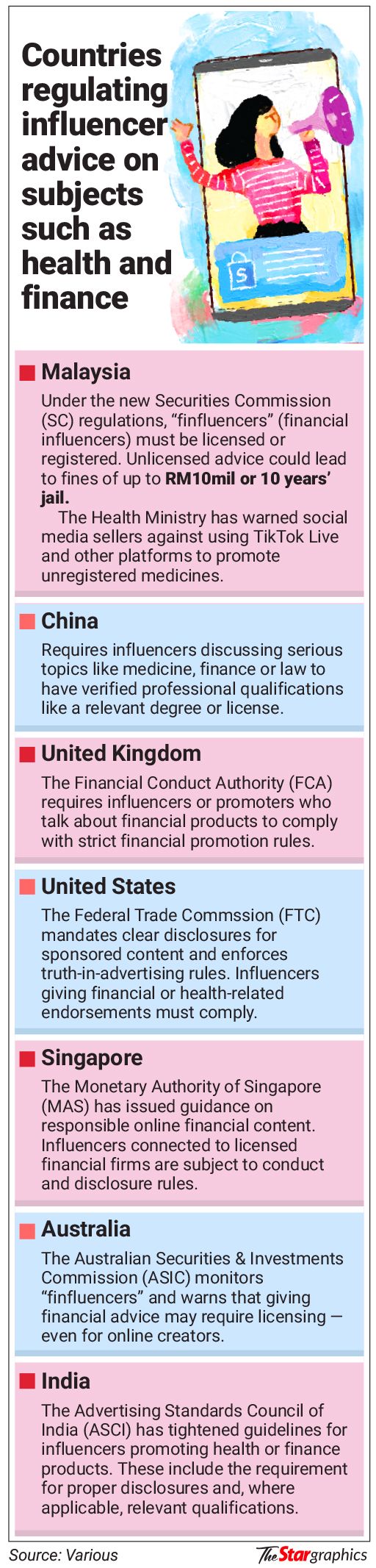
Currently, Malaysia requires that all health supplements be registered with the National Pharmaceutical Regulatory Agency (NPRA) before they can be sold.
Consumers can check the legitimacy of a product through the agency’s portal, its Product Status mobile application or scan the FarmaTag using the FarmaChecker app.
Suspicious or unregistered products can be reported to NPRA via its online complaint system or through the Health Ministry’s pharmacy enforcement channels.