
On the floor: Lukanisman responding to questions about health screenings for children. — Bernama
Health Ministry mulls GP partnerships for child health screenings
THE Health Ministry is exploring the possibility of outsourcing certain child health screening and follow-up services to private general practitioners (GPs) to tackle persistent issues of malnutrition and stunting, particularly among low-income families.
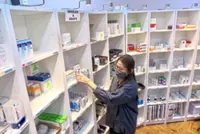
Deputy Health Minister Datuk Lukanisman Awang Sauni said the ministry would review mechanisms to allow busy working parents to bring their children to nearby GP clinics for mandatory screenings, instead of relying solely on government health facilities.
“We are now studying whether certain ministry services can be outsourced, particularly for parents who are working and cannot bring their children for screenings or follow-ups during office hours,” he told the Dewan Rakyat.
Lukanisman said allowing parents to take their children to GPs could ease access for families living far from government facilities.
Under the model being studied, he said GPs would conduct screenings, provide medical advice and channel cases requiring nutritional assistance back to the ministry.
“We are reviewing existing programmes and updating them to see if it is appropriate for GPs to assist the ministry in conducting screenings,” he said this in response to Datuk Mohd Shahar Abdullah (BN-Paya Besar) who highlighted that Malaysia risks losing up to 3% of its future Gross Domestic Product due to malnutrition, citing World Bank estimates.
Mohd Shahar also said many parents enrolled in the First 1,000 Days of Life programme failed to attend follow-up appointments despite their children being identified as stunted.
The former deputy minister added that recipients of food baskets often skip check-ups due to work commitments, long distances to clinics or a lack of awareness of long-term consequences.
Mohd Shahar urged the ministry to share non-attendance data with local communities to strengthen support systems for vulnerable households, including poor families and those with special needs children.
To this, Lukanisman said the suggestion was timely and aligned with ongoing ministry reforms.
“This is a good proposal. We will obtain and share relevant data, similar to what we do under the Peka B40 programme.
“We will also work to obtain better data on parents who miss appointments so that we can identify and support them.”
Lukanisman also said the ministry would refine the proposal further before presenting a detailed implementation framework.