KUALA LUMPUR: The government has outlined a series of enforcement measures to safeguard elected representatives, including enhanced security intelligence, closer monitoring and targeted protection.
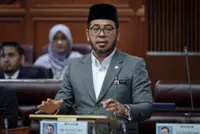
Home Minister Datuk Seri Saifuddin Nasution Ismail (pic) said police have intensified national security intelligence "to detect and monitor specific threats involving elected representatives".
"To reinforce these efforts, the police have also formed a strategic partnership with the Malaysian Communications and Multimedia Commission (MCMC) to curb cyberthreats and the misuse of social media platforms to intimidate or blackmail elected officials," he said in a parliamentary written reply dated Monday (Nov 17).
He added that physical protection measures, including security escorts, are provided in high-risk cases, while the Security Offences (Special Measures) Act (Sosma) 2012 may be invoked in matters related to national security and threats against national leaders.
Saifuddin said between 2024 and August, police opened three investigation papers under the Penal Code and the Communications and Multimedia Act 1998.
"One case remains under investigation, while two have been charged in court involving threats, blackmail and violence against Members of Parliament," he said.
The offences investigated include Sections 506 (criminal intimidation), 507 (anonymous communication threats), 323 (voluntarily causing hurt) and 352 (use of criminal force) of the Penal Code, as well as Section 233 of the Communications and Multimedia Act, which deals with the improper use of network facilities.
"The enforcement actions send a clear message that Malaysia will not compromise on any form of threat, intimidation or violence against its elected representatives," he stressed.
Saifuddin added that the government remains committed to strengthening national security through "a holistic approach that combines education, technology, community cooperation and firm law enforcement".
"These efforts are crucial not only to safeguard the public, but also to ensure that national leaders can serve without fear, interference, or threats that could undermine the country’s stability," he said.