KUALA LUMPUR: Of the 3,185 new HIV cases recorded last year, 4.2% or 135 cases were detected among adolescents aged between 10 and 19, says Datuk Seri Dr Dzulkefly Ahmad.
The Health Minister in a written parliamentary reply said the ministry has increased access to early HIV screening to encourage early detection among at-risk youths.
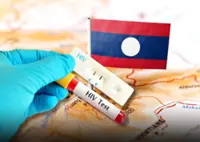
Among them, is the HIV Self-Test alongside the TestNow website, which offers information on HIV, risk assessments, and access to self-testing kits, which was launched in December 2023.
“As of June 2025, the platform has recorded 188,425 visitors, averaging 324 visitors daily, with 13.4% identified as having a high risk of HIV exposure.
“The ministry also extended the Differentiated HIV Services for Key Populations (DHSKP) Model KK 2.0 to 33 government health clinics through strategic government–NGO partnerships. This aims to improve HIV service delivery for key populations, including at-risk youth,” he added.
Dzulkefly also said the ministry is improving preventive treatment and long-term care of HIV including broadening access to preventive and therapeutic options.
“The ministry reaffirmed its commitment to curbing HIV transmission among young people, outlining a series of immediate strategies centred on prevention education, early testing, access to treatment, and nationwide efforts to eliminate stigma,” he said.
Dzulkefly was replying to a question from Syerleena Abdul Rashid (PH-Bukit Bendera) who inquired the immediate strategies and policies that will be introduced to address the rise in HIV cases among Malaysian adolescents, including preventive education, early testing, access to treatment, and measures to eliminate stigma nationwide.
He said drugs to prevent HIV transmission, known as pre-exposure prophylaxis (PrEP), are provided to partners of people living with HIV (PLHIV) and high-risk individuals.
“When taken as prescribed, PrEP reduces the risk of HIV transmission by around 99% through sexual contact and 74% through needle sharing.
“Coverage of Antiretroviral (ARV) treatment continues to be expanded to ensure PLHIV can live healthy, normal lives,” he said.
Dzulkefly also stressed that combating HIV requires holistic cooperation across government agencies, NGOs, the private sector, and community groups.
He said parents play an essential role in monitoring their children’s wellbeing and ensuring at-risk adolescents receive appropriate healthcare services.
“The ministry also reiterated its commitment to strengthening prevention and treatment efforts, ensuring that young Malaysians have the knowledge, tools, and support they need to protect themselves and overcome stigma,” he added.
Other efforts by the ministry include strengthening the HIV/AIDS awareness and literacy among youths to empower them with accurate knowledge about the disease and sexually transmitted infections, Dzulkefly said.
An initiative called the Prostar 2.0, which incorporates biopsychosocial and spiritual elements, is one of the key initiatives to build resilience and improve HIV literacy among adolescents.
“As of June this year, 592 Prostar activities have been carried out involving 55,241 students from secondary schools and higher learning institutions, showing a 26% improvement in knowledge levels,” he added.