PETALING JAYA: Systemic gaps in Malaysia’s anti-trafficking network, such as insufficient medical support and inadequate labour inspections at shelters, have been identified by the Human Rights Commission (Suhakam).
The commission stated that these issues were possible reasons for the country being placed at Tier 2 in the US State Department’s 2025 Trafficking in Persons (TIP) Report.
Suhakam’s findings are based on the commission’s engagement with the Council for Anti-Trafficking in Persons and Anti-Smuggling of Migrants (Mapo) in Malaysia.
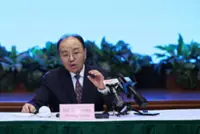
Suhakam chairman Datuk Seri Mohd Hishamudin Yunus (pic) said the absence of dedicated medical officers at shelters limited victims’ access to timely healthcare and psychosocial support, potentially retraumatising them.
He said the frequency of inter-agency meetings with Mapo was also limited, with just one meeting in 2024, which hindered consistent coordination, information-sharing and follow-up on individual cases.
“Suhakam has observed delays in receiving updates on referred complaints, which weakens accountability and monitoring,” he said when contacted.
Last Monday, Home Minister Datuk Seri Saifuddin Nasution Ismail announced that the ministry was drafting the National Action Plan on Anti-Trafficking in Persons (Naptip) 2026-2030 as a continuation of the success achieved under Naptip 3.0.
Hishamudin said the Labour Department lacked manpower and resources to conduct regular inspections, particularly in remote plantation areas where exploitation risks were higher.
He also noted limited cooperation from certain foreign embassies, which could delay the verification and repatriation of victims during search-and-rescue operations.
“Some trafficking victims continue to be treated as immigration offenders rather than victims of exploitation, reflecting a gap in awareness and victim-centred procedures among frontline officers,” he said.
He also highlighted the absence of publicly accessible data concerning investigations, prosecutions and convictions, noting that limited victim assistance hampers the development of informed policy interventions.
Hishamudin said the commission received 37 complaints related to trafficking in persons and forced labour last year, with eight involving human trafficking and 29 regarding forced labour.
“Malaysia’s continued placement in Tier 2 should not be viewed as a setback but as a call to strengthen institutional cooperation and adopt a more victim-centred, rights-based approach,” he said, adding that combating human trafficking requires sustained commitment, transparency and a whole-of-society effort.
He said Suhakam remained committed to working collaboratively with government agencies, civil society and international partners to ensure that every individual in Malaysia is protected from trafficking and forced labour and that victims are accorded dignity, justice and full rehabilitation.
To move Malaysia closer to Tier 1 compliance and ensure a more rights-based approach to combating trafficking, he said Suhakam proposed that medical personnel be stationed at all shelters to provide immediate health screening and psychological support for victims upon admission.
Hishamudin also called for the labour-inspection capacity to be strengthened through additional staffing and logistical resources to ensure proactive and frequent monitoring in all sectors, including rural plantations and factories.
He emphasised the need to enhance awareness programmes for both migrants and employers. Additionally, Suhakam has created a QR-code complaint mechanism and produced multilingual educational videos to explain workers’ rights.