MALAYSIA will host the Global Chinese Economic and Technology Summit (GCET 2025) on Nov 19 at Wisma MCA in Kuala Lumpur, bringing policymakers, business leaders and investors together to shape practical partnerships across the digital and green economy.
The one-day summit is co-organised by KSI Strategic Institute for Asia Pacific (KSI) and Institute of Strategic Analysis & Policy Research (Insap) with international partners and focuses on three priorities: China–Asean economic relations, digital economy and artificial intelligence (AI) and the role of the global Chinese diaspora in investment and innovation.
Global collaboration
Established in 2009, the platform began as the World Chinese Economic Summit Forum (WCES/WCEF) before evolving into GCET to reflect how technology — especially digital and green innovation — now drives growth and competitiveness.
Over the past decade it has convened in Kuala Lumpur, Melaka, Penang, Melbourne, London, Chongqing, Beijing, Shenzhen, Hong Kong and Macao, attracting government and business leaders across regions.
In 2024, the summit was hosted in Phnom Penh, drawing participants from Asean, China and beyond — underlining GCET’s role as a neutral bridge for cross-border dialogue and deal-making.
Why GCET 2025 matters
This year’s programme addresses the realities of 2025: intensifying tech competition, supply-chain re-wiring and a pressing push for credible net-zero pathways.
Expect practical conversations on Regional Comprehensive Economic Partnership (RCEP) opportunities, Belt and Road Initiative (BRI) connectivity, AI governance and adoption, as well as Environmental, Social and Governance (ESG)-aligned investment — areas where Malaysia and Asean can translate policy into bankable projects.
Recent global developments in AI cooperation and the region’s emphasis on dialogue over coercion make Kuala Lumpur a timely venue for forward-looking collaboration.
Expect a cross-section of policymakers, business leaders and experts spanning technology, finance, infrastructure and sustainability — from Fudan Institute for BRI and Global Governance and Gao Feng Advisory to OneConnect, Macrokiosk, EY Consulting and regional business chambers. Panels also include senior figures from the Commercial Crime Investigation Department (CCID) and Asean councils.
Impactful connections
GCET is not just speeches. It’s where ministers, sovereign funds, corporate strategists and founders trade notes on AI adoption, green finance, circular supply chains and cross-border market entries — with the Chinese diaspora as a connective tissue.
Past summits helped strengthen China–Asean trade ties, catalyse Foreign Direct Investment (FDI) and frame policy–industry collaboration on digital and sustainable growth.
2025 builds directly on that track record, with explicit objectives to:
> Tighten global Chinese networks across policy, capital and enterprise;
> Advance digital and green transitions (AI, blockchain, renewables, ESG);
> Deepen Asean–China and RCEP cooperation with pragmatic projects;
> Navigate geopolitical and supply-chain realignments with risk-aware strategies;
> Back startups and innovation ecosystems with capital and partnerships.
The 2025 agenda is clear about the operating context: supply-chain rewiring, tech bifurcation and pressure to deliver credible net-zero pathways.
Sessions are structured to move beyond talking points — focusing on actionable partnerships in trade, digital adoption and green finance that Malaysian and Asean companies can execute now.
GCET organising chairman Tan Sri Michael Yeoh said, “GCET provides opportunities for networking and sharing of ideas and knowledge.”
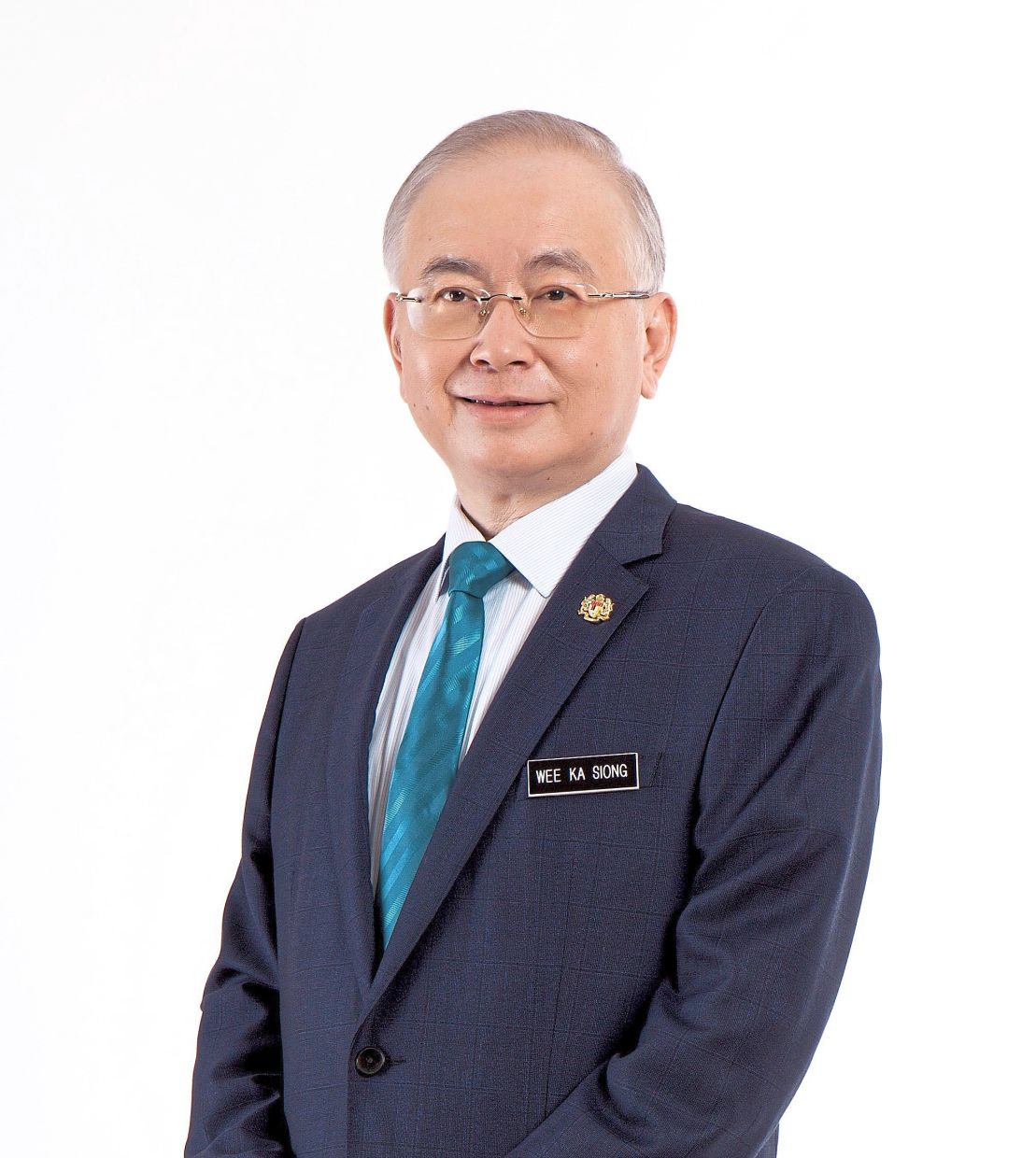
MCA president, Ayer Hitam MP and former Transport Minister Datuk Seri Dr Wee Ka Siong said, “The strength of the global Chinese community lies in our ability to connect, collaborate and contribute to the world’s technological and economic advancement, GCET embodies that spirit.”