IN the cool morning hush of Sepilok on Oct 25, long before the boardwalks filled with visitors, the rainforest was already awake – hornbills gliding through shafts of golden light, cicadas humming steadily, and hopeful faces tilted towards the canopy.
For many who gathered at the Rainforest Discovery Centre (RDC) that weekend, the Borneo Bird Festival was more than an event.
It was a chance to reconnect with Sabah’s wild heart, breathe deeply, and fall in love with the forest all over again.
More than 4,000 visitors wandered through RDC’s skywalks and jungle trails for the festival’s 15th edition.
Families with binoculars, students scribbling notes, photographers balancing long lenses and children peering through borrowed scopes moved quietly under the towering trees.
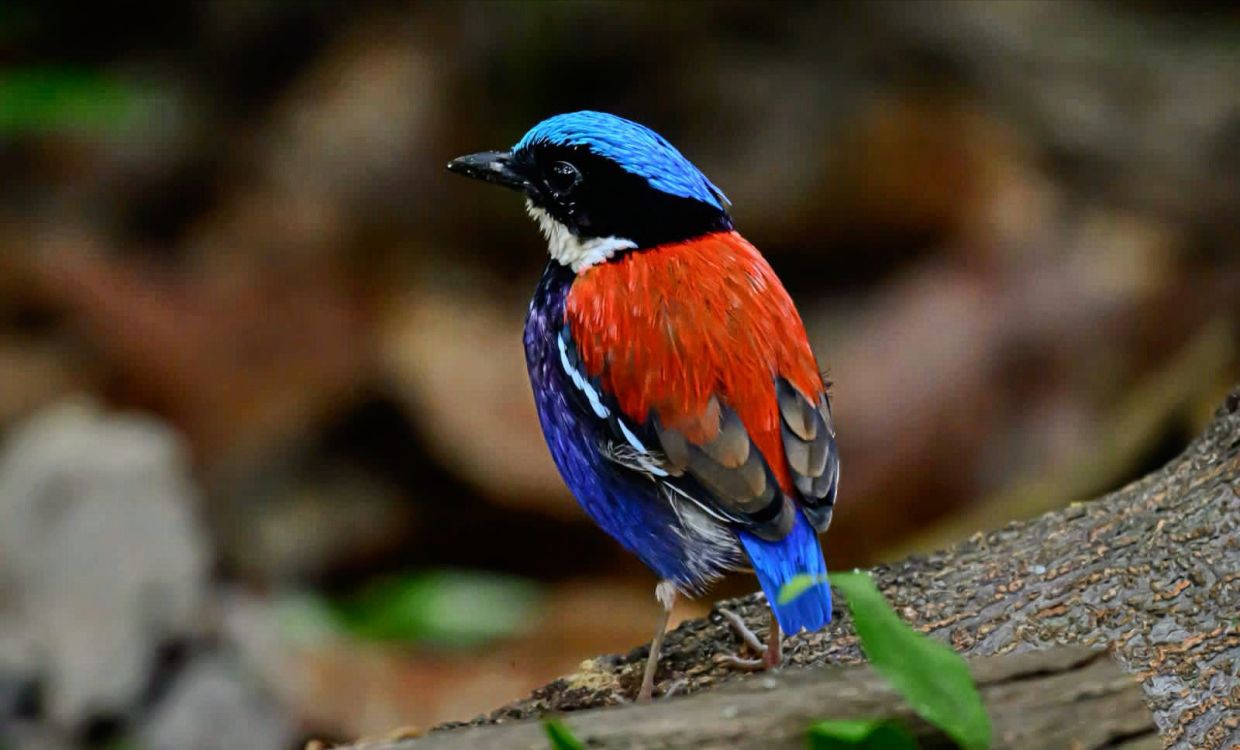
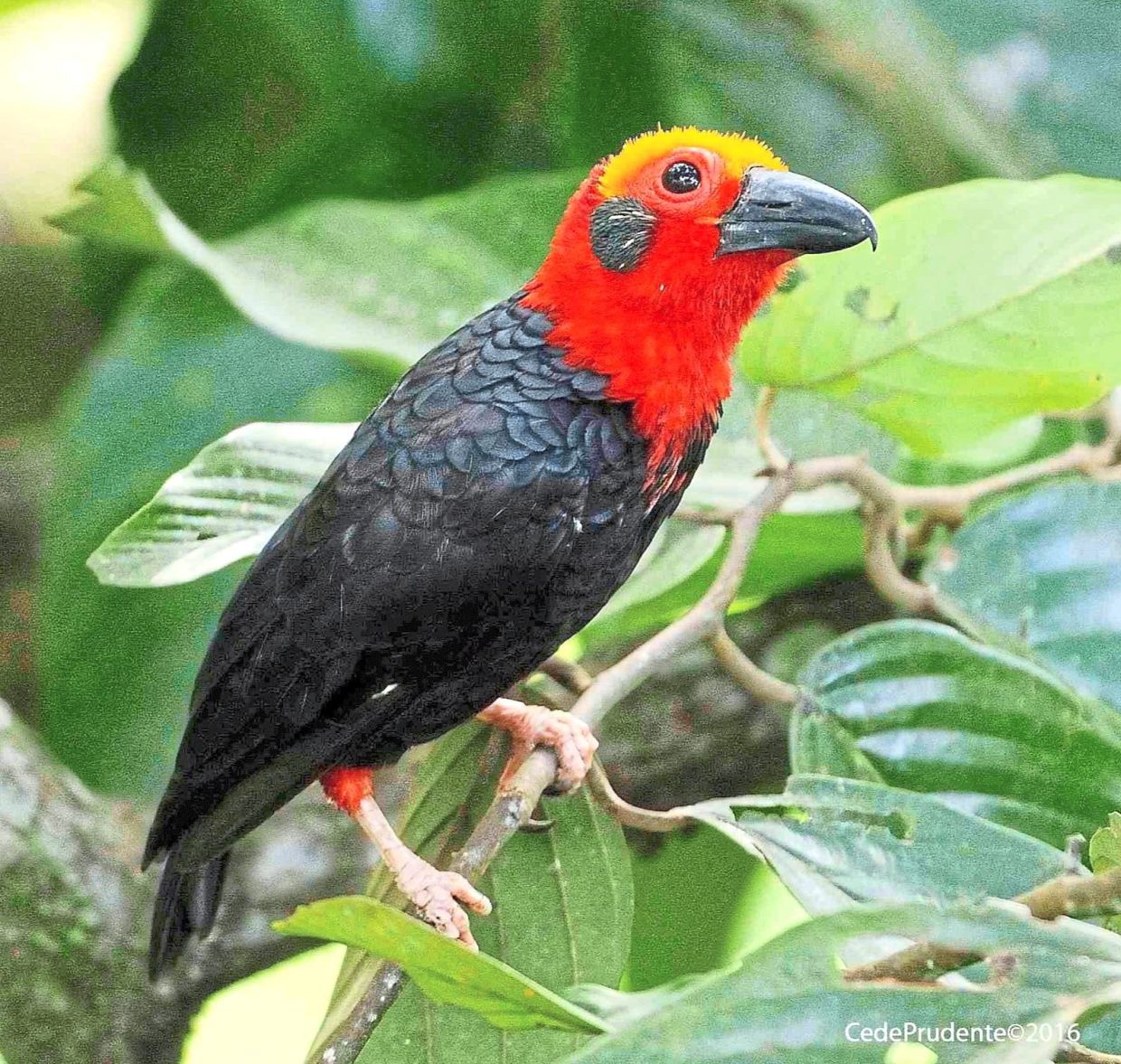
Each pause, each whispered “There!”, carried the same quiet hope – to catch a flash of colour, perhaps the elusive Blue-Headed Pitta or the charismatic Bornean Bristlehead – and to feel that familiar thrill of discovery only a living rainforest can offer.
Permanent Secretary to the Sabah Tourism, Culture and Environment Ministry, Datuk Josie Lai, said Sandakan remains the natural home of the event.
“The main reason we focus the festival here is because this is where most of the endemic bird species can be found,” she said.
“Sandakan will always be a key location, especially here at RDC, so more people can come to learn about the natural environment and its habitats.”
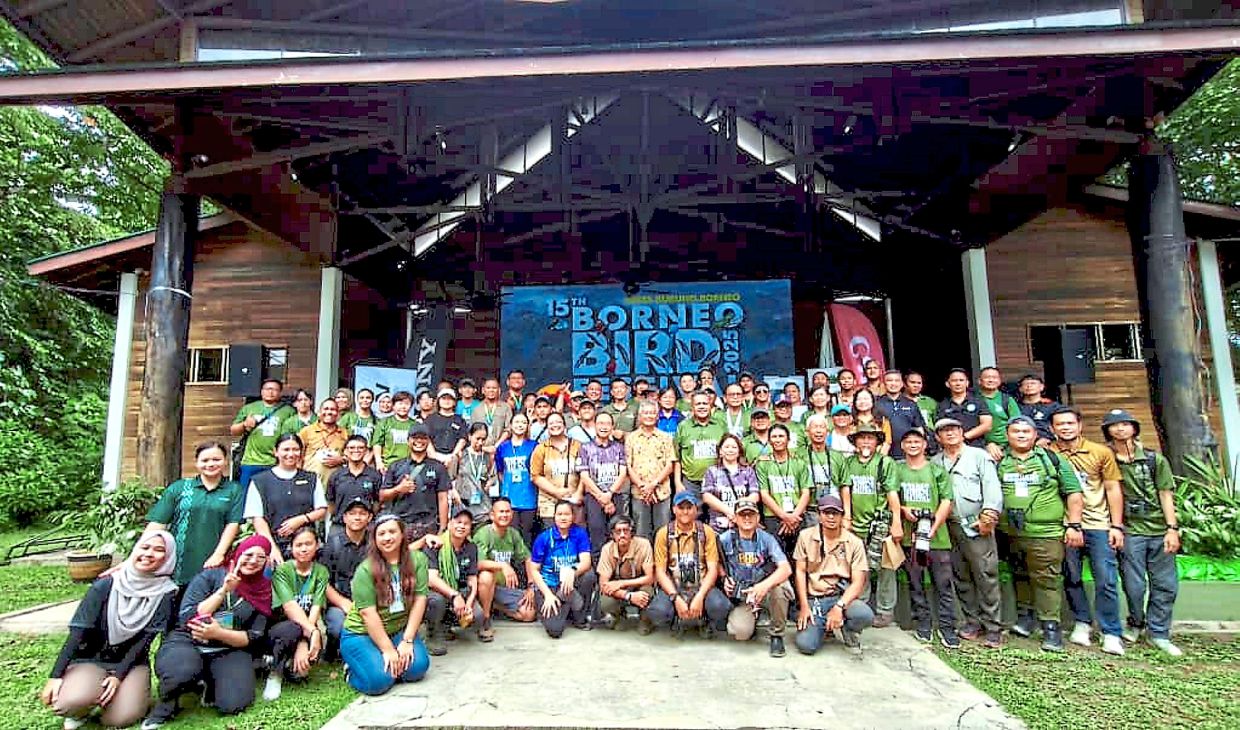
But the festival has also grown into something deeper – a gathering for those who believe Sabah’s greatest treasures are not just in the trees and skies, but in the values passed on to future generations.
Sandakan Borneo Bird Club president Dr Robert Ong said the heart of the festival lies in nurturing appreciation and responsibility.
“It’s not just an event to attract tourists, but more importantly to raise awareness about protecting the forest and its wildlife,” he said.
Ong has watched the movement evolve. Where birdwatching once felt niche in Sabah, more young Sabahans now walk into the forest with binoculars and field guides – not just for photos, but to understand and protect what they see.
“When people come here, they don’t just see birds – they understand the ecosystem around them,” he said. “That’s where appreciation grows.
“If more people value nature, more people will defend it.”
Among the crowd was 38-year-old Md Azlan Mairin from Ranau, a Kinabalu Park staff member attending the festival for the first time.
With a mix of borrowed and self-bought camera gear collected over the years, he spent his day scanning branches, sharing tips with fellow birders, and smiling quietly whenever an elusive chirp drifted through the canopy.
“I’m still learning – about birds and cameras,” he laughed, adding that spotting an endemic species always feels like a bonus. “That’s the excitement – you never know what you’ll see.”
A few steps away, Che Mahazan Che Aik, a retired police officer and long-time birder, stood with calm familiarity – camera ready, gaze steady, heart very much at home among the trees.
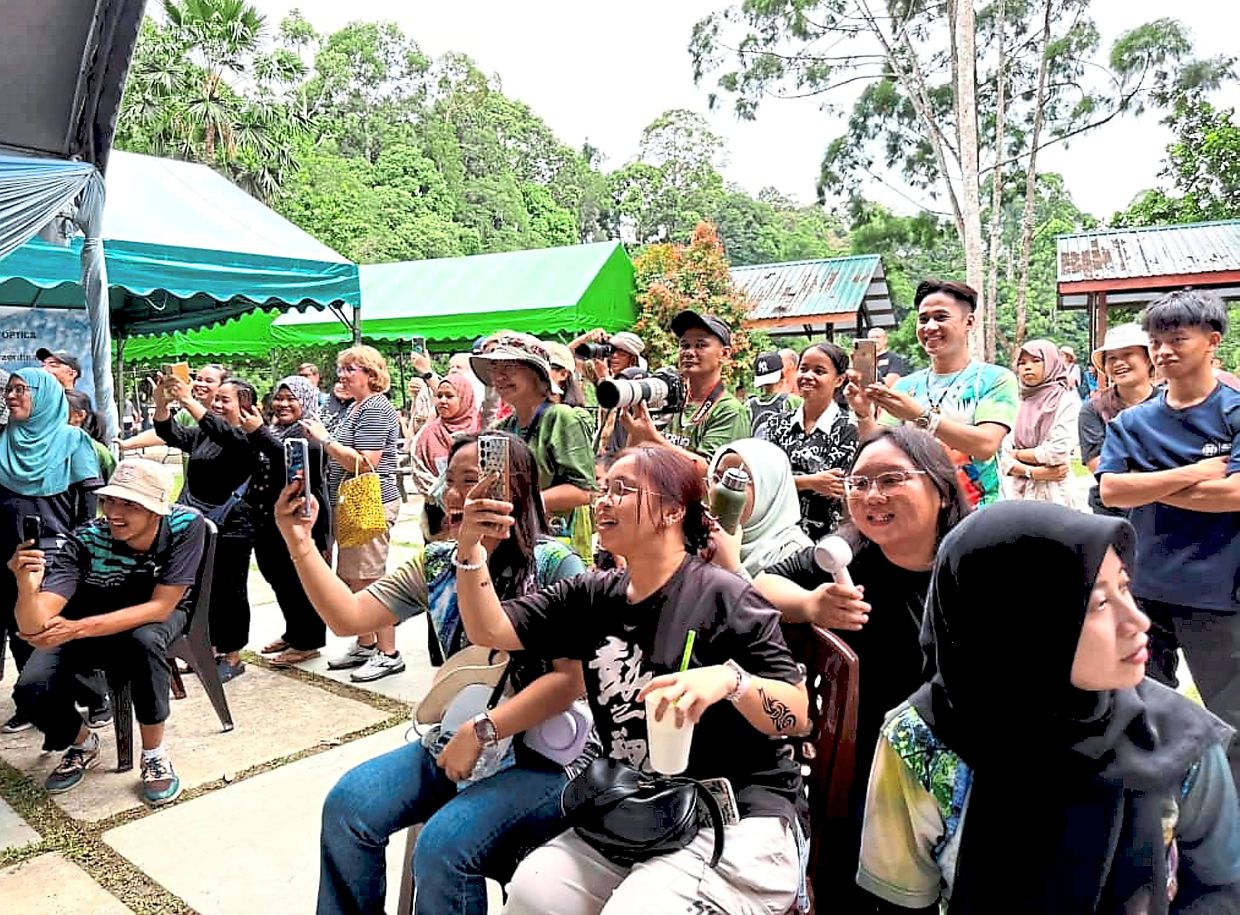
He has been birdwatching for nearly 15 years, and retirement has given him more time in nature. Like many, he was hoping for a glimpse of one of Borneo’s famed endemics.
“Endemics – that’s what we look for,” he said, smiling. “Even one sighting can make your whole weekend.”
Years of both service and forest walks have taught him patience.
“Sometimes you don’t get the bird you came for,” he said. “That’s nature. We come with hope, but we also come with patience.
“If I miss it this time, I’ll just come again next year. That’s the joy – there’s always next year, and always something to learn.”
For Che Mahazan, birdwatching is not just about images captured – it’s about time, presence and gratitude.
“We don’t just take photos,” he said. “We take home the feeling of being here – the sounds, the air, the trees. That’s what brings us back.”
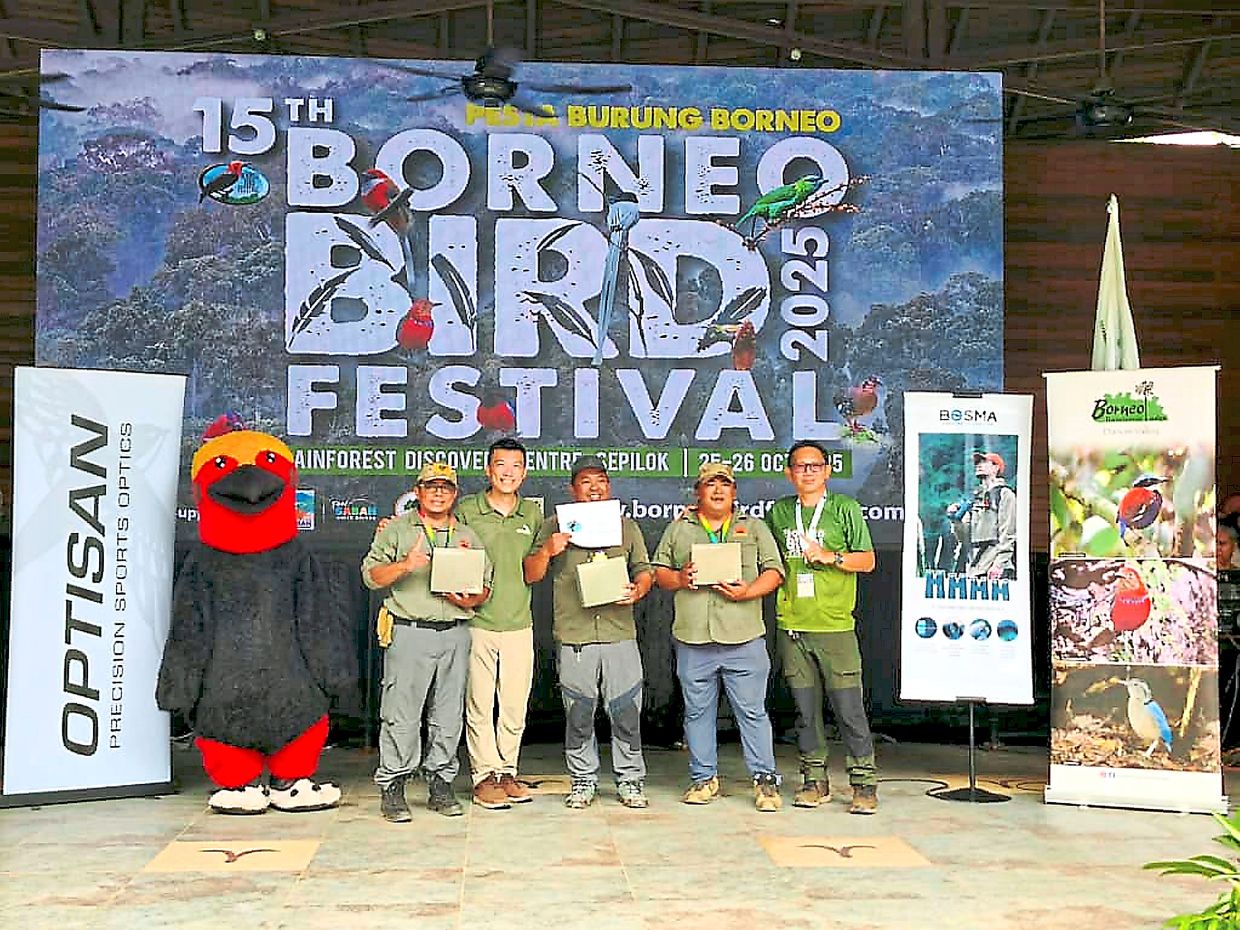
This year’s festival also welcomed visitors to RDC’s 620m Rainforest Skywalk, where sunrise walks revealed mist weaving between branches and hornbills cutting across open sky.
Children tugged gently at their parents’ sleeves each time something moved; elders paused just to breathe in the forest air.
At canopy level, the rainforest felt both grand and intimate – ancient yet alive in every trembling leaf.
As the festival drew to a close and the afternoon sun softened into gold, Dr Ong said he hoped everyone who came would leave with more than photographs.
“If visitors leave with a deeper love for nature,” he said, “then we’ve already succeeded.”
As evening settled over Sepilok, the last birdsong lingered in the trees – a reminder that Sabah’s rainforests still breathe, still call, and still depend on those who choose to care.