KOTA KINABALU: As mountain trekking and hikes continue to be a huge part of leisure activities in Sabah, medical practitioners from various agencies came together to conduct a one-day wilderness basic life support training on Mount Kinabalu for rangers and support staff.
Members from the Universiti Malaysia Sabah (UMS) Medical and Health Sciences Faculty, Sabah Parks, the Wilderness and Austere Medicine Society Malaysia (WAMS), the Wilderness Medicine Special Interest Group (MyCEP) and the Emergency and Trauma Department of Hospital Queen Elizabeth join forces to strengthen the emergency medical response system on Mount Kinabalu.
Realising the importance of on-time medical intervention, the Nov 5 programme, attended by 30 participants comprising Sabah Parks officers, mountain guides, rangers, lifeguards and support staff, saw them trained on various health issues in wilderness settings.
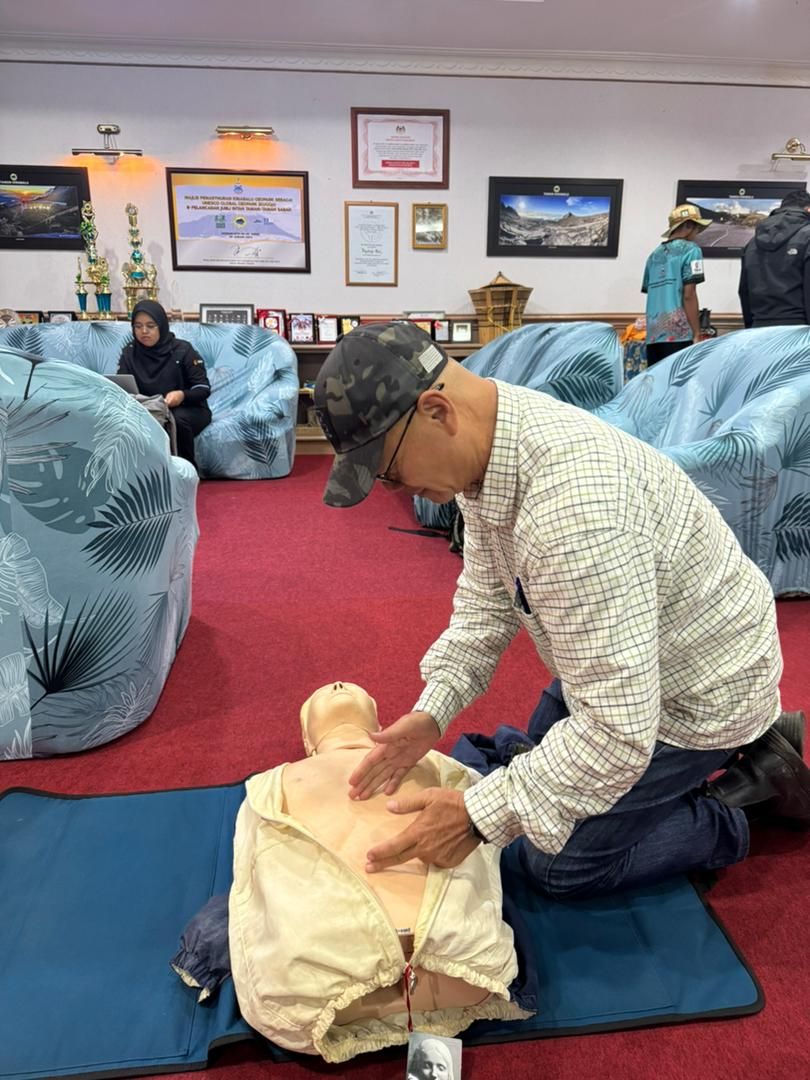
These include cardiac arrest, basic life support techniques, recognition and management of high-altitude illness, prevention of hypothermia and management of common musculoskeletal injuries.
Chief Assistant Director for Kinabalu Parks, Justinus Guntabid said that the initiative is crucial given the increasing number of climbers and tourists visiting Mount Kinabalu every year.
He explained that most injuries involve soft tissue strains, sprains and fractures, but more serious conditions such as fatigue, high-altitude illness, hypothermia, allergic reactions and cardiac arrest also occur.
He emphasised that a well-structured preparation and medical readiness system is vital to save lives and reduce suffering on the mountain.
Wilderness medicine physician Dr Muhamad Na’im Ab Razak from WAMS Malaysia highlighted that wilderness medicine deals with emergencies that occur far from hospitals, often beyond the so-called “golden hour” of resuscitation.
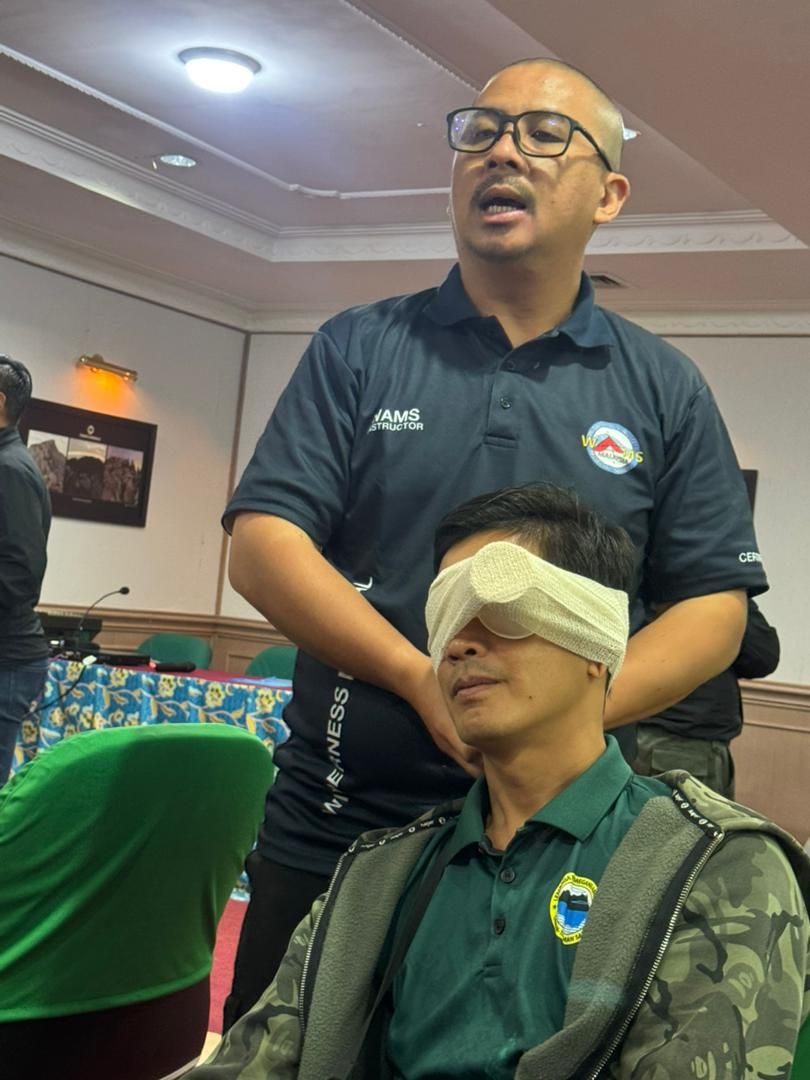
He said that survival in such environments depends on proper patient assessment, stabilisation and the application of prolonged field care principles.
By equipping Sabah Parks staff with the right knowledge and practical skills, he believes the chances of survival for victims in remote environments can be significantly improved.
Associate Professor Dr Fairrul Kadir, the program director from UMS, added that the university is developing a teleconsultation platform that allows trained first responders stationed at Panalaban or other high-altitude posts to contact a panel of wilderness and emergency medicine experts in real time.
“Through this system, rescuers will be able to receive online medical direction, treatment guidance and evacuation support even during adverse weather conditions,” he said.
He said that data collected from Sabah Parks revealed common illnesses and injuries that contribute to difficult evacuations and fatalities, and the team is determined to tackle these challenges through research and innovation.
UMS wilderness medicine expert Associate Professor Dr Mohammad Hamim said the initiative will also integrate technology and artificial intelligence to assist in real-time decision-making, data analysis and smart communication during rescue missions.
He said the future of wilderness medicine in Malaysia lies in combining human experience with intelligent systems that improve coordination and safety in remote areas.