




MALAYSIA has become the first Asean nation to join the World Economic Forum (WEF)’s Global Gender Parity Accelerator Network, underscoring its dedication to advancing women’s economic participation.
The network is a public-private collaboration platform operating across more than 35 countries and regions. It serves as a bridge between governments and businesses to collectively tackle some of today’s most significant economic and social issues.
Malaysia now joins countries such as Japan, Chile, Colombia, Egypt and Mexico that have leveraged this platform to advance wide-ranging policy reforms.
These include introducing gender pay gap reporting systems, extending parental and paternity leave, and creating return-to-work initiatives for women, all of which demonstrate how inclusive and sustainable growth can be achieved through shared commitment.
WEF has commended the Malaysia government for its continuous efforts in skills development and in promoting gender equality and inclusion.
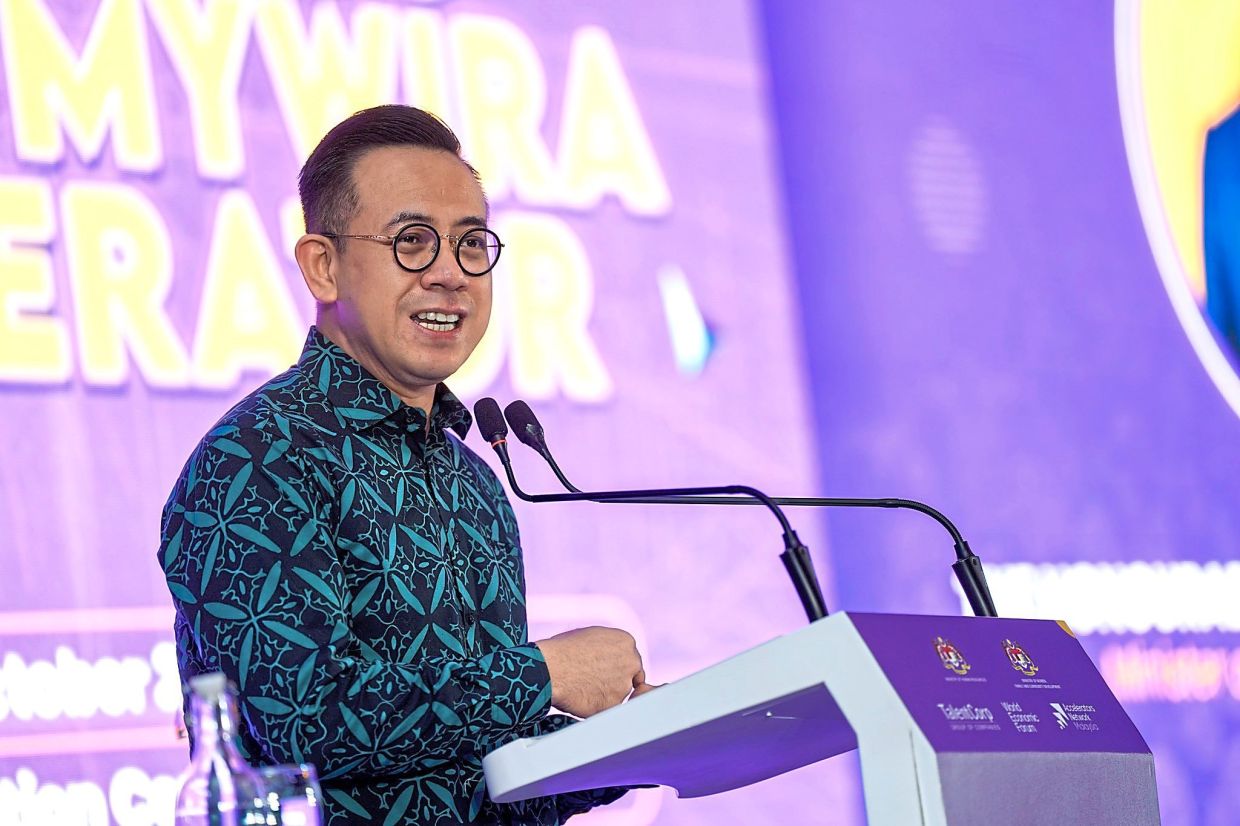
WEF Asia Pacific Community lead and country manager (Malaysia) Shaun Adam said: “(The) World Economic Forum stands ready to support the Government of Malaysia and all its partners by connecting this effort to our regional and global networks and by sharing best practices and co-designing pathways that make gender parity a competitive advantage for Malaysia’s economy.”
He acknowledged Human Resources Minister Steven Sim Chee Keong’s leadership in the International Labour Organization visit on Oct 22 for the Global Skills Forum (GSF), and his role at the job constituents meetings.
“He has constantly championed upskilling and lifelong learning, regardless of gender as a national priority through the My Mahir ecosystem, while balancing progress with the Gig Workers Law that was recently launched this year,” praised Adam.
WEF, he noted, has a good partnership with TalentCorp, which had recently attended WEF’s annual meeting in Dubai and shared some of the best practices with the international community.
“Equality is not inevitable, it happens because people choose to make it happen,” he said.
Building on the country’s entry to the Global Gender Parity Accelerator Network, Human Resources Ministry (Kesuma) has launched the Wanita MyWira Accelerator, a national initiative designed to equip at least 100,000 women with high-growth, future-ready skills and opportunities beyond 2030.
Spearheaded by Kesuma through its strategic think-tank agency, Talent Corporation Malaysia Bhd (TalentCorp), in partnership with the World Economic Forum (WEF), the programme will train 1,000 women under TalentCorp’s MyMahir-certified pathways, targeting an 80% job placement rate within six months of completion.
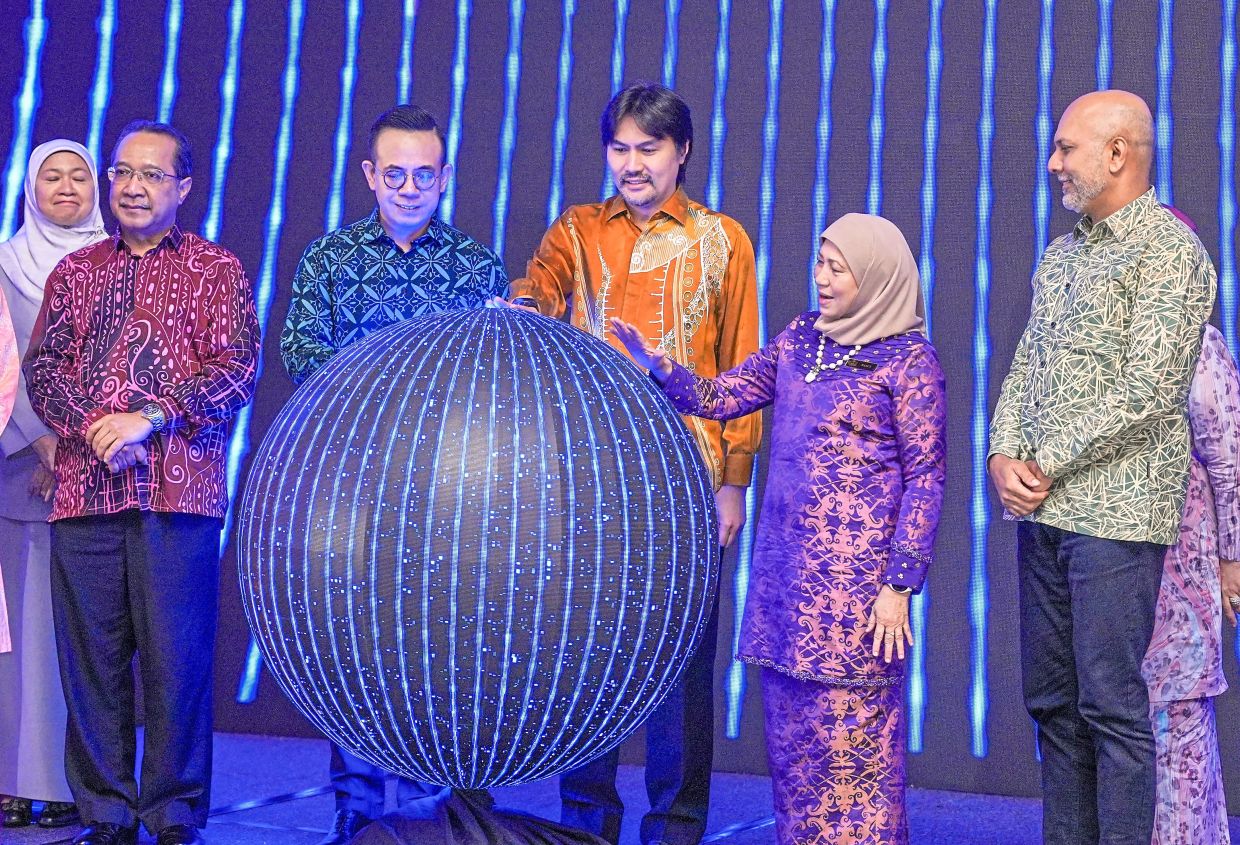
Supported by a RM15mil co-investment model, this phase brings together 1,000 companies committed to adopting flexible work practices, offering returnship opportunities for women who have taken career breaks, and hiring trained women graduates.
In the long term, the initiative aims to empower more than 100,000 women beyond 2030, contributing to Malaysia’s goal of increasing female labour force participation and building an inclusive, future-ready workforce.
Speaking at the launch of the programme, Sim said the initiative reflects the nation’s commitment to both ambition and inclusion.
He noted that his Ministry, through TalentCorp, is equipping Malaysian women for future-ready and high-growth sectors such as artificial intelligence (AI) and renewable energy.
Sim added that Kesuma has introduced several policies to support working families, including the right to Flexible Work Arrangements (FWA), tax deductions of up to RM500,000 for employers who adopt FWA, and a 50% tax deduction for paid caregiving leave.
Budget 2026 also expanded childcare tax relief to cover children aged six to 12.
“Think about gender barriers as a powerful spring – coiled very tightly, built into our homes, our culture and even our own personal psyche,” he said.
“Our efforts, policies and activism are forces we are applying to hold that spring back.
“But if we release that pressure, even for a moment, the spring will stubbornly bounce back and things will return to business as usual.”
He noted that although Malaysia is only slightly off its goal of 60% female labour force participation, this still means that for every 10 men working, only about seven women are working.
“Through the Wanita MyWira Accelerator, the government aims to remove barriers to women’s participation in the workforce by offering training for flexible job opportunities, promoting family and caregiving-friendly workplaces, and boosting women’s workforce participation, especially in rural areas,” Sim said.
Meanwhile, Women, Family and Community Development Minister Datuk Seri Nancy Shukri said the initiative reflects Malaysia’s belief that when women succeed, the nation succeeds.
“Gender inequality remains a global concern, including here in Malaysia.
“As societies evolve, so too must our approach to empowering women in education, health and the economy. Because when women rise, the nation rises. Real progress demands targeted action, strong institutions and inclusive budgeting,” she said.
“Through Wanita MyWira, we are creating real pathways for women to access decent work and participate fully in Malaysia’s economy. This effort strengthens our national ecosystem for women’s empowerment, in line with the National Policy for Women 2025-2030 and the Madani vision of compassion and shared prosperity.”
Malaysia’s female labour force participation rate stands at 56.5%, below the national target of 60% by 2030, and slightly higher than the Asean average of 55%.
WEF’s Global Gender Gap Report 2025 ranked Malaysia 108th out of 146 countries, showing improvement from the previous year but highlighting the need for stronger action to close gender gaps in economic participation.
To help narrow this gap, the Wanita MyWira Accelerator will provide targeted training, foster employer partnerships and promote childcare-friendly practices designed to make workforce participation more accessible for women.
The strategic direction of the programme will be guided by co-chairs Sim and Nancy on behalf of the public sector.
Representing the private sector are Tunku Besar Seri Menanti and Teach For Malaysia chairman and founding trustee Tunku Ali Redhauddin Ibni Tuanku Muhriz, BigPay group chief executive officer Aireen Omar, Microsoft Corporation legal, government and corporate affairs director (Asean and new markets) Dr Jasmine Begum, PwC Malaysia executive chair Nurul A’in Abdul Latif and LeadWomen founder and chairperson Anne Abraham.
The implementation of the initiative will be led by TalentCorp, with support from the respective ministries and WEF.
For more information, email women@talentcorp.com.my.


