
IN the heart of Sarawak’s Foochow community, a simple bowl of noodles carries centuries of meaning.
Known locally as mee sua, or longevity noodles, this delicate dish is a cherished symbol of long life, prosperity and family unity – and nowhere is it celebrated more than in Sibu.
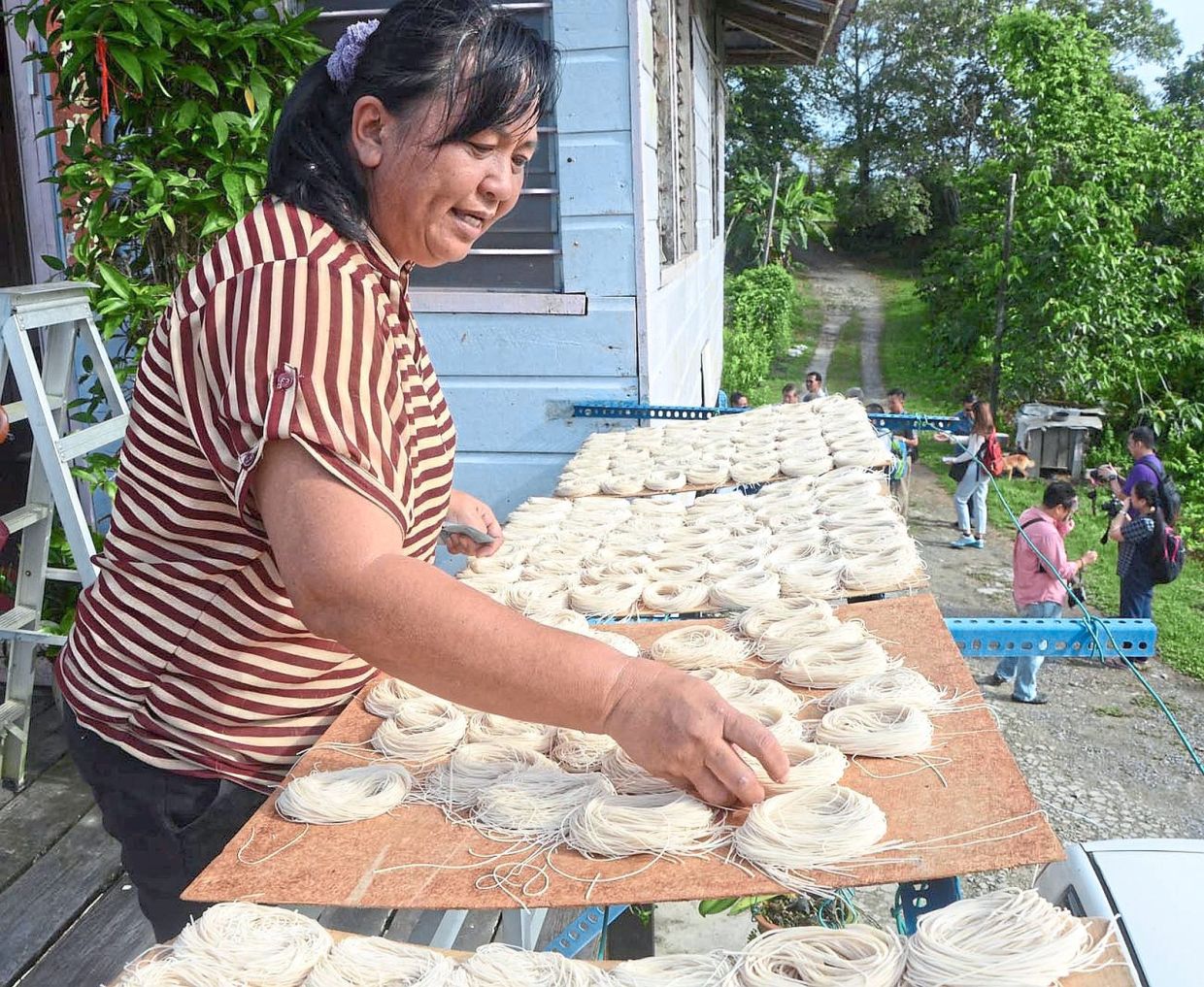
The fine, thread-like noodles are made from wheat flour and water, painstakingly stretched and dried under the tropical sun.
In parts of Sibu, traditional noodle makers still preserve the craft by hand – a skill passed down through generations.
Depending on the weather, the noodles can take several days to dry properly – a slow and patient process that reflects the values the dish represents.
For the Foochow community, mee sua is far more than sustenance. Its long, unbroken strands symbolise longevity, making it an essential dish for birthdays, weddings, the birth of children and Chinese New Year celebrations.
A serving of mee sua is a blessing in edible form – a wish for a life of abundance and good fortune.
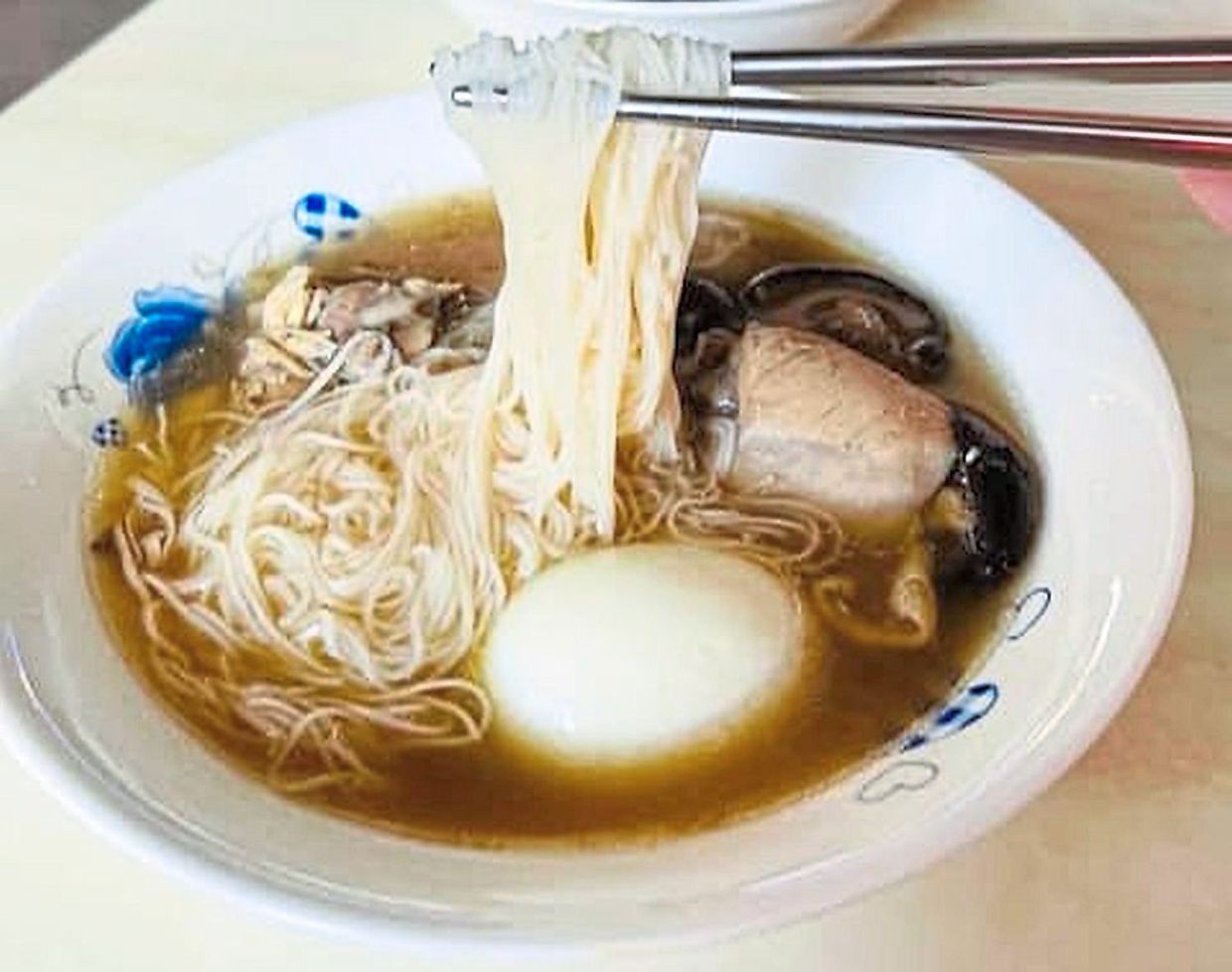
The most popular version in Sibu is red wine mee sua, served in a fragrant chicken soup enriched with homemade red rice wine, ginger and sesame oil.
Tender pieces of chicken, mushrooms and a hard-boiled egg complete the dish, giving it both nourishment and a celebratory flair. The broth, tinted a soft crimson from the wine, imparts a distinctive aroma and warmth that locals swear by.
Sold at around RM8 per bowl in most coffee shops across town, the comforting sight of steaming mee sua is a common one, especially during festive seasons.
Tourists often seek it out, while locals never tire of its simple yet profound taste – one that connects them to their roots and traditions.
More than a culinary delight, mee sua remains a living link to Foochow heritage.
Each strand carries the weight of generations who have kept the tradition alive, blending patience, devotion and pride into every bite.
In Sibu, a bowl of mee sua tells a story of endurance, togetherness and the timeless hope for a long and meaningful life.
The traditional art of making mee sua may appear simple, yet it remains an arduous and time-consuming craft when done by hand.
Among the few traditional noodle makers left in town is 72-year-old Ting Cheng Sieng, who has devoted four decades to the trade.
Every strand of noodle he produces bears the mark of dedication and craftsmanship.
Despite the availability of modern machinery, Ting still insists on the old-fashioned manual method.
His modest wooden house, built on stilts along Jalan Oya Lama about 13km from town, doubles as his humble mee sua workshop – a place where the aroma of flour and salt fills the morning air.
“It’s not that I can’t afford machines,” he said with a smile.
“But people prefer handmade noodles as they have a smoother texture and better elasticity – something machines simply can’t replicate.”
Ting’s journey into noodle-making began by chance. Once doing odd jobs to make ends meet, his life changed when a friend retiring from the business passed on the skills to him.
He quickly mastered the technique, and before long, his noodles became among the most sought-after in Sibu.
Together with his wife, who diligently assists him, Ting works seven days a week to meet the steady demand.
“We start as early as 5am every day. There are many steps before the noodles are ready, so we have to begin before sunrise,” he explained.
The process begins with mixing flour, coarse salt and alkaline soda by hand in a large wok for about half an hour. The alkaline soda helps prevent the noodles from breaking during the stretching stage.
Ting uses two 25kg sacks of flour daily, as every batch must later be sun-dried.
After kneading, he adds cooking oil and sago flour before flattening and cutting the dough into strips about 30cm long. Each strip is then carefully pulled to a length of up to 3m before being laid out to dry under the sun.
For Ting, good weather is crucial – only natural sunlight can produce the ideal texture and consistency.
Ting’s noodles are available at the Sibu Central Market.
Want a long life? As the saying goes, have a bowl of longevity noodles.