KUALA LUMPUR: The Kuala Lumpur International Airport (KLIA) Aerotrain system experienced 19 operational issues between July 2 and Sept 30 but has since achieved full operational stability, says Deputy Transport Minister Datuk Hasbi Habibollah.
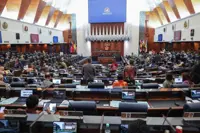
He told the Dewan Rakyat on Monday (Oct 13) that the Aerotrain, which resumed operations on July 1 after major upgrades, is now operating at 100% availability.
The upgrade project, completed on June 30, is currently under a two-year defects liability period, he added.
ALSO READ: Keep it running: MAHB directed to monitor, maintain KLIA Aerotrain to prevent disruptions
"Overall operational availability since resumption until Oct 8 stood at 99.19%.
"Stability continues to improve, with the system recording full availability in recent weeks," he added.
From July to early October, the new Aerotrain carried 5.33 million passengers and travelled over 39,900km, he said.
Malaysia Airports Holdings Bhd (MAHB) is working closely with train manufacturer Alstom to ensure smooth operations and prompt technical responses when issues arise, Hasbi added.
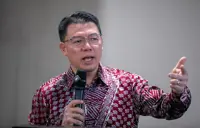
Khairil Nizam Khirudin (PN-Jerantut) had asked about the frequent breakdowns of the Aerotrain and the government’s measures to ensure safe and efficient passenger transport at KLIA.
ALSO READ: KLIA apologises after Aerotrain breaks down again
Hasbi said the 19 incidents reported between July and September were caused by both technical and human factors, including signalling issues and passengers attempting to open train doors.
"Improvements are ongoing, and technical officers are stationed onboard to address problems immediately," he said.
To a supplementary question on penalties for recurring failures, Hasbi said Alstom may face fines of up to RM190,000 a month if it fails to meet performance standards.
"The manufacturer must maintain 100% train availability for single-train operations and 99.6% when two trains are running, so the tolerance level is very tight.
"Currently, train performance is at 100%, and MAHB will continue collaborating with the manufacturer to sustain maximum operational standards," he added.