IN Japan, there is a practice called shinrin-yoku, or forest bathing. Doctors often prescribe it to help patients heal their body and mind. The idea is simple: walk among trees, breathe deeply and let the stillness of the forest work its quiet magic.
Closer to home, there are many green lungs dotted across the country, and one of the newest lies in the heart of Kuala Lumpur.
KL East Park, opened in February 2023, is a naturally regenerating secondary rainforest within Sime Darby Property Bhd’s (SDP) KL East township. Situated at the foothills of Bukit Tabur and connected to the iconic Gombak-Selangor Quartz Ridge, it offers a 2km trail that rewards hikers with panoramic views of the city skyline.
Out of the 21.44ha (53 acres) of land, only 6.87ha (17 acres) of the park is open to the public, designed with families in mind. Shaded forest portions make the walk manageable while well-maintained benches, shelters and clear signage offer comfort along the way.
Facilities such as toilets and a guardhouse add to the convenience, while a booking system gives families the space to enjoy the trails without overcrowding. By limiting the number of visitors a day, stress on the environment is also reduced to allow proper maintenance and preserve the site’s ecological balance.
A living classroom
When SDP began developing the land, it had a clear vision: safeguard the natural heritage while opening it up to the community.
The KL East Park Biodiversity Management Plan (BMP) was created as an integrated framework to conserve, restore and manage ecological assets.
This reflects the company’s ARC philosophy: Avoid, Regenerate, Conserve, a long-term commitment to balance development with environmental stewardship. Continuous assessments are also conducted to monitor and update findings on biodiversity.
Since the first study by Universiti Kebangsaan Malaysia in 2014, followed by assessments by SDP from 2022 to 2024, and in 2025 by Lik Tin Environment Consultancy (LTEC) in collaboration with Universiti Malaysia Kelantan, Universiti Malaysia Terengganu, Universiti Malaysia Sabah, and the Nature Sustainable Ecosystem Society (NEST), the number of species recorded in the park has shown a significant increase.
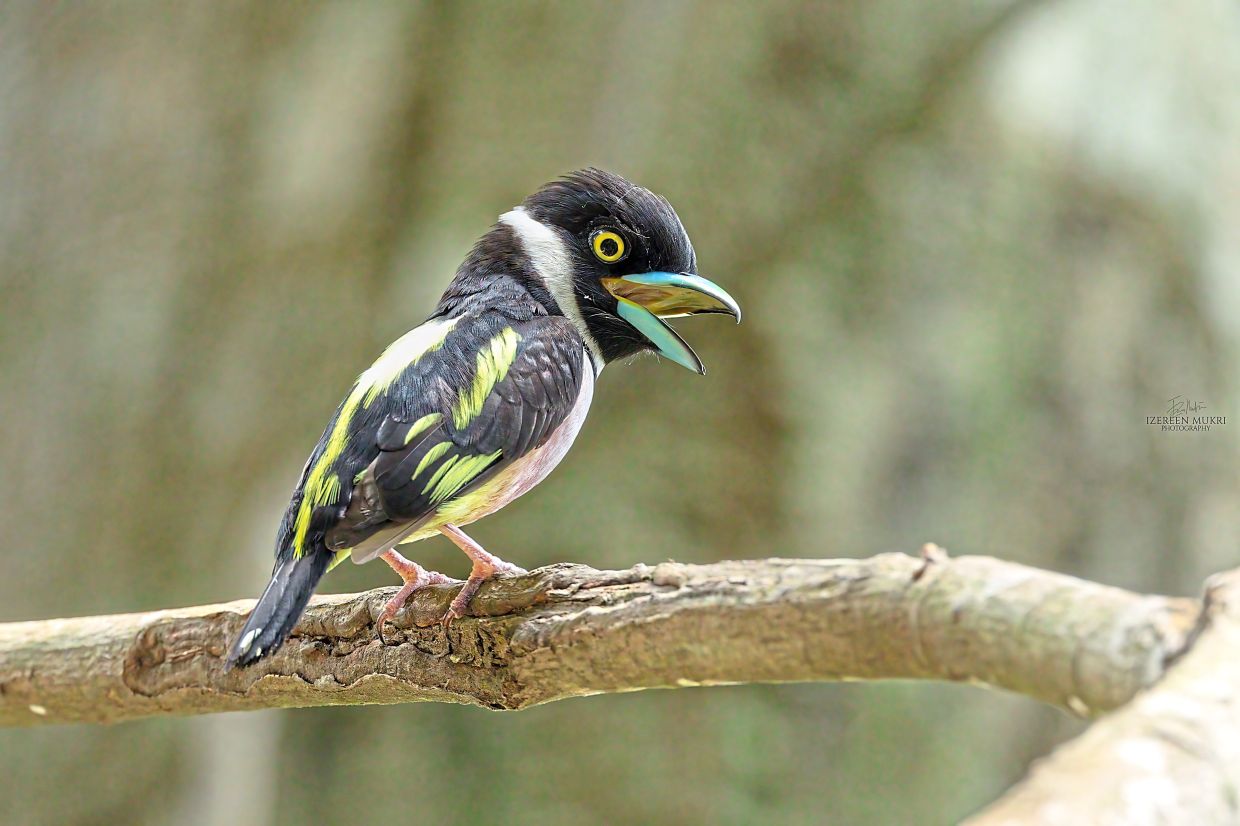
To date, there are a total of 228 species of flora, 56 fungi, 42 mammals, 182 birds, 66 herpetofauna, 277 insects and 74 spiders, and among these are also species that are globally threatened with extinction.
This not only underscores the role of the park as an urban refuge for biodiversity but also the importance of conserving healthy regenerating forest within the concrete jungle. In addition, more than 300 species of trees, herbs, shrubs and palms have been tagged for conservation and long-term monitoring, with QR codes allowing visitors to learn about the unique role each species plays in the forest.
This makes the park more than a hiking spot. It is a living classroom where families, especially children, can experience first-hand how forests breathe life into the city.
Nature’s contribution to the city
As a functioning forest, KL East Park provides essential ecosystem services. Its soil and vegetation retain rainfall, regulate water flow and reduce flood risks.
The forest canopy cools the city naturally by providing shade and releasing moisture into the air. This effect is not just felt but measured. Temperature monitoring stations installed inside and outside the park show up to five degrees Celsius of differences at midday.
Meanwhile, its trees sequester carbon that will help reduce greenhouse gases. A study by Forest Research Institute Malaysia (FRIM) estimates that the trees at KL East Park will absorb and store about 10,394.53 tonnes of carbon dioxide equivalent (tCO2e) by 2030. This amounts to the annual emissions of approximately 2,259 vehicles.
The park’s role in preserving biodiversity and improving liveability was reaffirmed during a recent visit by Singapore’s NParks former director Dr Lena Chan. She noted the presence of diverse lichens on tree trunks — a natural indicator of good air quality.
Ultimately, KL East Park invites people to slow down and reconnect with nature.
From parents introducing their children to the wonders of the forest to grandparents enjoying a gentle walk beneath the canopy, it offers the community a chance to breathe, learn and be reminded that caring for this green sanctuary also means caring for ourselves.