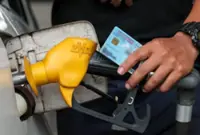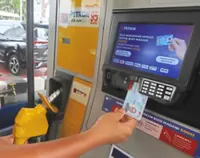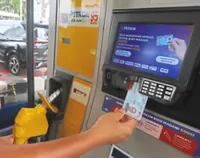
KOTA KINABALU: Budi Madani RON95 (Budi95) and the Subsidised Petrol Control System (SKPS) are central to the government’s efforts to curb fuel subsidy leakage, says Domestic Trade and Cost of Living Minister Datuk Armizan Mohd Ali.
He said both systems digitise the fuel supply chain from oil companies and petrol stations to corporate users and individual consumers, ensuring all transactions are recorded and traceable.
Armizan said both help eliminate manipulation and irregularities in fuel sales that enable smuggling and misuse of subsidised fuel.
“This ensures accountability across the board and guarantees that the substantial government allocation for fuel subsidies truly benefits targeted recipients,” he said at a press conference on Monday (Sept 29).
He reminded all parties of their responsibilities when using fleet cards, MyKad or other approved methods for subsidised fuel purchases and added that strict action will be taken against offenders.
Those found guilty of manipulating, misappropriating or smuggling subsidised RON95 petrol face fines of up to RM1mil or a maximum of three years’ jail, or both, under the Control of Supplies Act 1961.
Companies convicted of such offences can be fined up to RM2mil.
He said that fleet card purchases under SKPS for companies and MyKad transactions under Budi95 for individuals will be digitally monitored, adding that this allows authorities to flag suspicious activity.
Armizan said the government is considering extending the targeted RON95 subsidy to the public water transport sector.
He said this is particularly relevant in Sabah, Sarawak and island communities where passenger boats are crucial for daily mobility.
“The government is aware of appeals to support water transport services. The Finance Ministry has expressed readiness to include them, while we are studying the mechanism,” he added.
He said data is being collected from state agencies such as the Sabah Ports and Wharves Department and the Sarawak Rivers Board to ensure effective implementation.