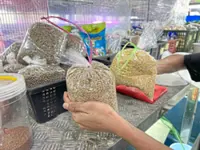
PETALING JAYA: The Association of Commodities Importers for Animal Feed Malaysia (ACiAFM) has urged the government to reconsider the imposition of the Sales and Service Tax (SST) on certain imported feed raw materials, reminding that the move will push up the cost of producing chicken, eggs and meat.
ACiAFM noted that 30% of raw materials, including soybeans, wheat pollard, canola meal and vitamin premixes to produce animal feed, are subjected to a 5% SST.
Its interim president Chong Kam Weng said importers and livestock farmers would inevitably pass on the additional costs to consumers.
He urged the Finance Ministry to take the matter seriously by granting sales tax exemptions on these feed raw materials.
ALSO READ: Farmers unable to escape SST-induced cost surge
Chong noted that the association had met Deputy Finance Minister Lim Hui Ying in August to raise concerns about the impact of the new sales tax, which came into effect on July 1.
The tax also covers a range of other items such as king crabs, salmon, codfish, truffles, silk, imported fruits (except apples and oranges), essential oils and industrial machinery.
Chong clarified that the government has exempted SST for several key inputs such as corn, which is fully imported, and soybean meal, which is 68% imported and 32% locally produced, as well as palm oil and palm kernel cake.
These materials account for up to 70% of total feed raw materials.
Chong said the total value of raw materials used in animal feed amounts to about RM11bil.
“With 30% of them subjected to a 5% sales tax, this translates to RM170mil in additional costs,” he said.
“Therefore, the total additional cost of this SST will be passed down to consumers, making poultry and livestock products more expensive. It will also render Malaysian producers less competitive compared to regional players.”
To mitigate the impact, the association proposed allowing feedmillers and livestock farmers to register for SST, even if their products are not taxable.
It said this would enable them to apply for exemptions under either Schedule B or Schedule C for all feed ingredients.
“By doing so, we can preserve the competitiveness of Malaysian producers and prevent an increase in the cost of chicken, eggs and meat, as farmers will be able to claim exemptions on 30% of raw materials currently subject to SST,” he said.
Chong emphasised that the exemption should be limited to feed production, while industries using the same materials for non-essential higher-value goods, such as vitamin premixes or processed food products, should still be required to pay SST unless otherwise decided by the government.
Federation of Livestock Farmers Associations of Malaysia President Sim Zhi Zhan said they are still waiting for an official reply from the Finance Ministry following the meeting with various stakeholders.
“Many stakeholders had submitted requests for an SST waiver on certain feed products, but we have yet to receive any update on the matter.
“The cost of production will inevitably increase when SST is imposed on raw materials, and eventually this may also influence the price of broilers.
“However, it is difficult to generalise the situation as the actual impact will vary from company to company,” he said.