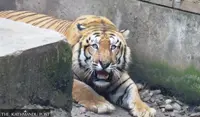
GERIK: The number of animal snares set by poachers in Royal Belum State Park has declined drastically since the launch of Project Stampede in 2018.
World Wide Fund for Nature (WWF) Malaysia senior field biologist Muhamad Afif Wafiy Mohamad Taib said active snares in the forest had dropped by almost 90%.
“Previously, we found around 200 active snares mainly set by poachers from Vietnam, Thailand and Cambodia.
“In 2023, we did not find any, and only one was detected in 2024.
“This year, we found zero active snares in Royal Belum,” he said during WWF-Malaysia’s Strengthening Tiger Conservation programme at the park.
There are now fewer than 150 Malayan tigers in the wild and the species is listed as critically endangered on the International Union for Conservation of Nature Red List since 2015.
Tigers are hunted for their body parts, which fetch high prices on the illegal market.
Other animals, such as elephants, sun bears, wild boars, sambar deer and gaur (seladang), are also targets of poachers.
Project Stampede is aimed at protecting the Malayan tiger in the ancient Royal Belum State Park by combating poaching and removing deadly snares.
Muhamad Afif Wafiy said poachers use various methods to trap wildlife, including cable-trigger snares and artificial bamboo salt licks.
“If their snares didn’t catch a tiger, they’ll take whatever is trapped there to eat or just leave the animal to die,” he said, adding that poachers also search for gaharu trees, which are used to make perfume and incense.
He said they had also increased the number of rangers from 30 to 150 with the Orang Asli community playing a key role.
“The Orang Asli knows the forest better than anyone else. They live there and have survival skills.
“We trained them to use GPS devices and camera traps and to report their findings. They’ve gone from zero to hero,” he said.
He added that the rangers, divided into teams of 10, patrol the forest around the clock to remove snares and look for signs of poaching.
He said some 600 cameras have been set up to monitor wildlife and illegal activities.
“Our rangers have spotted some tigers with their cubs through these cameras, so there is still hope for the species,” he added.