KUALA LUMPUR: The government is assessing the most effective approach to the RON95 subsidy rationalisation, focusing on individuals with high incomes and owners of luxury vehicles, says Finance Minister II Datuk Seri Amir Hamzah Azizan.
He said the main goal was to ensure that those who truly need fuel subsidies continue to receive assistance from the government.
"Currently, the government is in the final phase of refining eligibility criteria and the implementation method for the targeted RON95 petrol subsidies, in consultation with all relevant stakeholders.
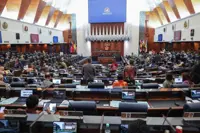
"This includes exploring multiple implementation mechanisms, such as testing the use of MyKad, e-wallets, and oil company applications, to ensure the initiative is implemented efficiently and without complicating matters for the rakyat," he said in reply to Datuk Seri Dr Wee Ka Siong (BN-Ayer Hitam) in the Special Chamber on Monday (Aug 25).
Dr Wee had asked the Finance Ministry to reveal the indicators and criteria used by the government to list individuals or households in the T15 category.
He also asked the ministry to explain whether it will be based on gross income, disposable income, location of residence, type of vehicle, or other data sources.
Amir Hamzah said that the MyKad mechanism will involve inserting the card into a reader.
"This connects to the government’s centralised database to determine eligibility and fuel quota.
"If eligible, the (person) can purchase RON95 petrol at a subsidised price of RM1.99 per litre. If not, they will have to pay the full price at the pump, without subsidy," he explained.
The MyKad method was also being used for the disbursement of Sara assistance, where each eligible recipient is automatically registered and receives aid for basic necessities.
"Sara recipients can purchase approved essential goods at selected retail stores nationwide using their MyKad," he added.
On eligibility determination for the targeted subsidy, he said the Padu database will be used as a reference.
"Padu centralises data from various government agencies, including the Inland Revenue Board (LHDN), Road Transport Department (JPJ), and National Registration Department (JPN).
"This approach is intended to ensure that the targeting is holistic and precise, based on verified and up-to-date data, so that aid reaches only those who are truly eligible," he added.
Dr Wee then asked about the measures taken for MyKad misuse, and how to avoid unnecessary issues if there is a problem with the pump attendant.
Amir Hamzah replied that, in principle, the Finance Ministry had discussed the matter with fuel companies to ensure that the method of subsidy usage would not differ significantly from the current system.
"When a person arrives at the petrol station, they simply scan their MyKad on the machine.
"The system will verify their eligibility for subsidised fuel.
"If they are eligible, they can buy RON95 at the subsidised price. If not eligible, they can still buy RON95 but (at) the full, unsubsidised price.
"There will be no intervention needed from the pump attendant; the entire process is automated," he said.
"If a foreigner tries to buy petrol, since they do not have a MyKad, they will not be able to tap the card. This mechanism helps curb subsidy leakage.
"By leveraging MyKad and technology, we can effectively reduce leakage.
"Quota management is also an important aspect. We must set quotas to prevent misuse.
"The ministry is carefully considering how to allocate quotas, ensuring that ordinary citizens have enough subsidised fuel, while managing risks of overuse or fraud," he said.