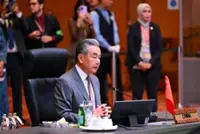
KUALA LUMPUR: Asean’s pursuit of energy transition, sustainable water management and climate-resilient infrastructure must be guided by environmental, social and governance (ESG) principles that extend beyond corporate metrics, says Deputy Prime Minister Datuk Seri Fadillah Yusof.
Fadillah, who is also Energy Transition and Water Transformation Minister, said ESG should not be seen merely as a reporting tool for companies, but as a framework that shapes government regulations, institutional enforcement and market behaviour.

Fadillah said Asean needs governance systems that match climate ambitions, honour social protection and demand accountability.
“This requires justice systems and dispute resolution mechanisms that are accessible, efficient and fair,” he said.
He also welcomed the inclusion of ESG disputes in the forum’s agenda, describing it as a timely platform for Asean to strengthen arbitration capacity within global supply chains, Bernama reported.
On the broader theme of justice, Fadillah underlined that a ‘just transition’ in the energy sector must be treated as non-negotiable, ensuring fairness and inclusivity in economic and environmental reforms.
He expressed confidence that the Asean Law Forum would generate practical solutions to strengthen cooperation, enhance access to justice and promote inclusive growth across the region.
“When laws are clear, when remedies are accessible and when justice is delivered without fear or favour, we are not just protecting rights, we are building nations, inspiring confidence and shaping a future where growth and equity walk hand in hand,” he added.
The three-day forum, which began on Tuesday and hosted under Malaysia’s 2025 Asean Chairmanship, provides Asean member states the opportunity to coordinate efforts in building strong and resilient legal institutions and mechanisms, especially in navigating today’s uncertain global economic challenges.