PETALING JAYA: Independent and robust oversight is crucial for monitoring and auditing waste management practices in both the current and future rare earth element (REE) mining sectors, say environmental activists.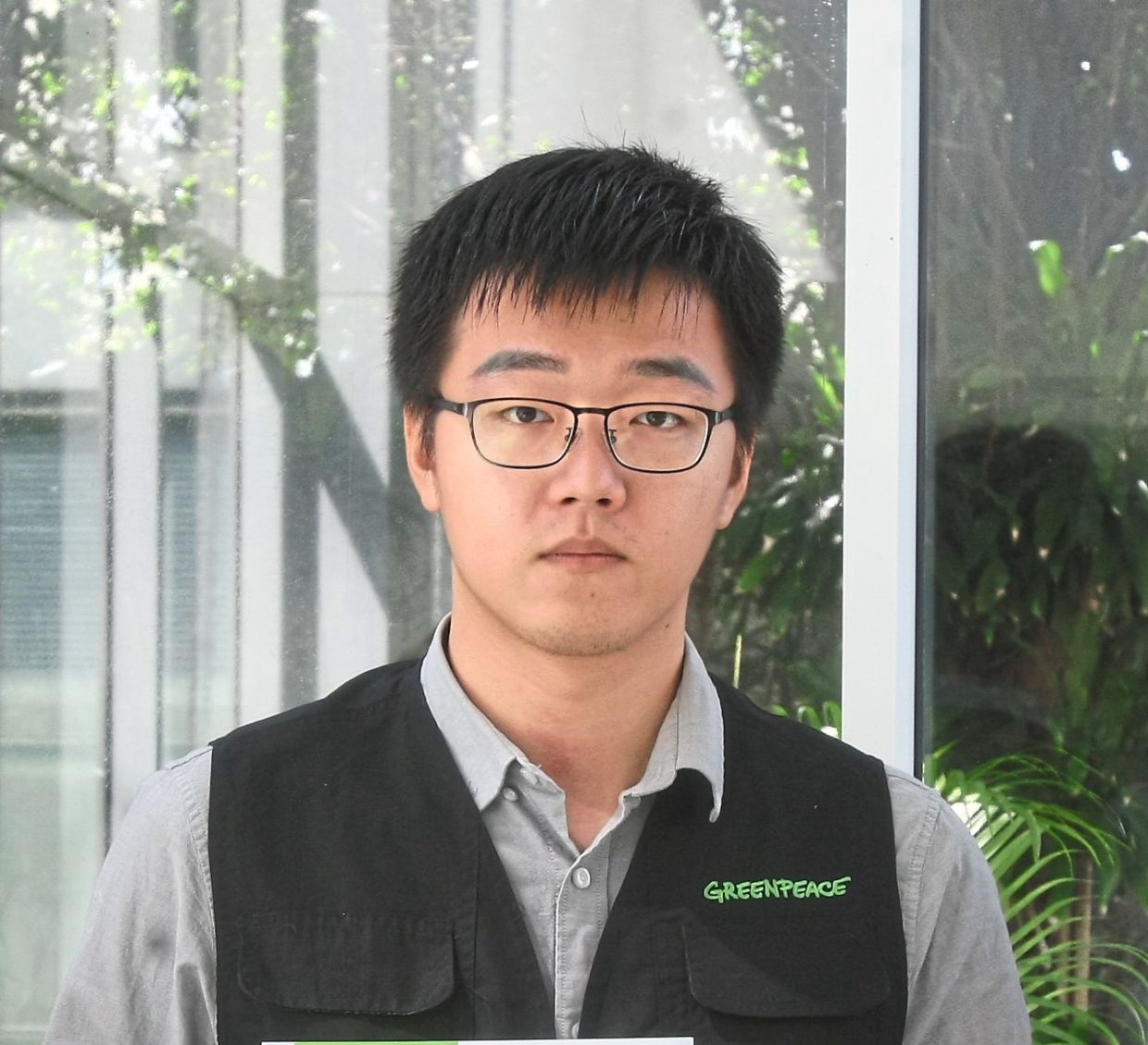
Greenpeace Malaysia campaign lead, Heng Kiah Chun, said the move is necessary to protect nearby communities.
While it welcomed the government’s recognition that REE mining cannot proceed without safeguards, the group remains deeply concerned that exploration and mining activities are already taking place without adequate oversight.
“Rare earth mining and processing generate toxic waste, so the government must act transparently. It must commission an independent audit to protect communities living in the area,” Heng said when contacted.
He was asked to comment on the announcement by acting Natural Resources and Environmental Sustainability Minister Datuk Seri Johari Abdul Ghani that waste management related to REE mining must be ironed out before Malaysia ventures deep into the industry.
Heng added that Greenpeace, together with civil societies and its allies, had submitted a memorandum calling for bold commitments in the 13th Malaysia Plan.
“The memorandum outlines five urgent reforms to close policy gaps in forest governance and uphold indigenous rights.
“Without these reforms, Malaysia risks losing access to long-term international climate funding under the Tropical Forest Forever Facility, which will be launched at the 2025 United Nations Climate Change Conference this year.
“Malaysia should not gamble with people’s health, indigenous rights, or the environment in pursuit of short-term economic gains.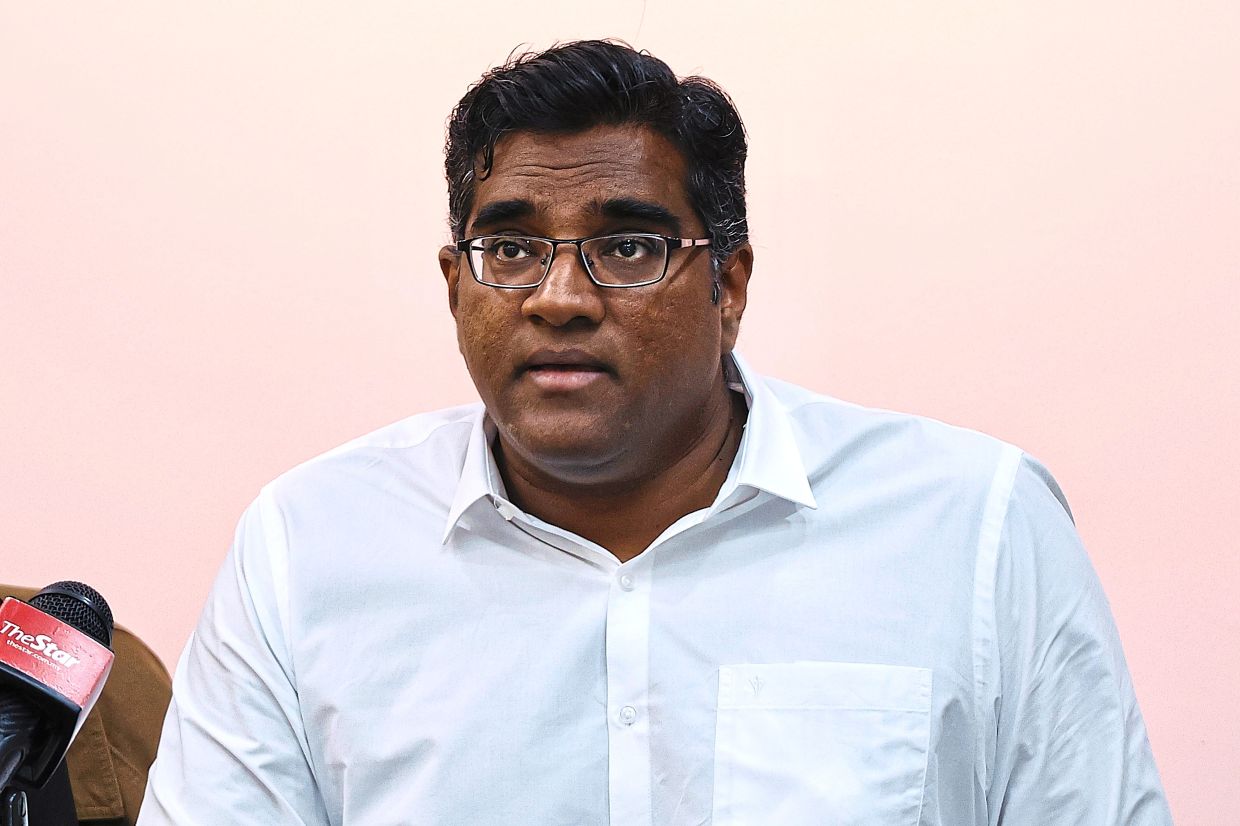
“Any move towards mining must put community safety, transparency, environmental protection and the community’s rights at the heart of decision-making,” he said.
The Association for the Protection of the Natural Heritage of Malaysia president Rajesh Nagarajan said the rare earth processing industry has been around since Lynas Advanced Materials Plant began operations in 2012 in Pahang.
He noted that it has generated well over a significant amount of waste, including approximately 450,000 tonnes of radioactive residue.
“For more than a decade, residents have lived near accumulated industrial residue while authorities continue reviewing procedures.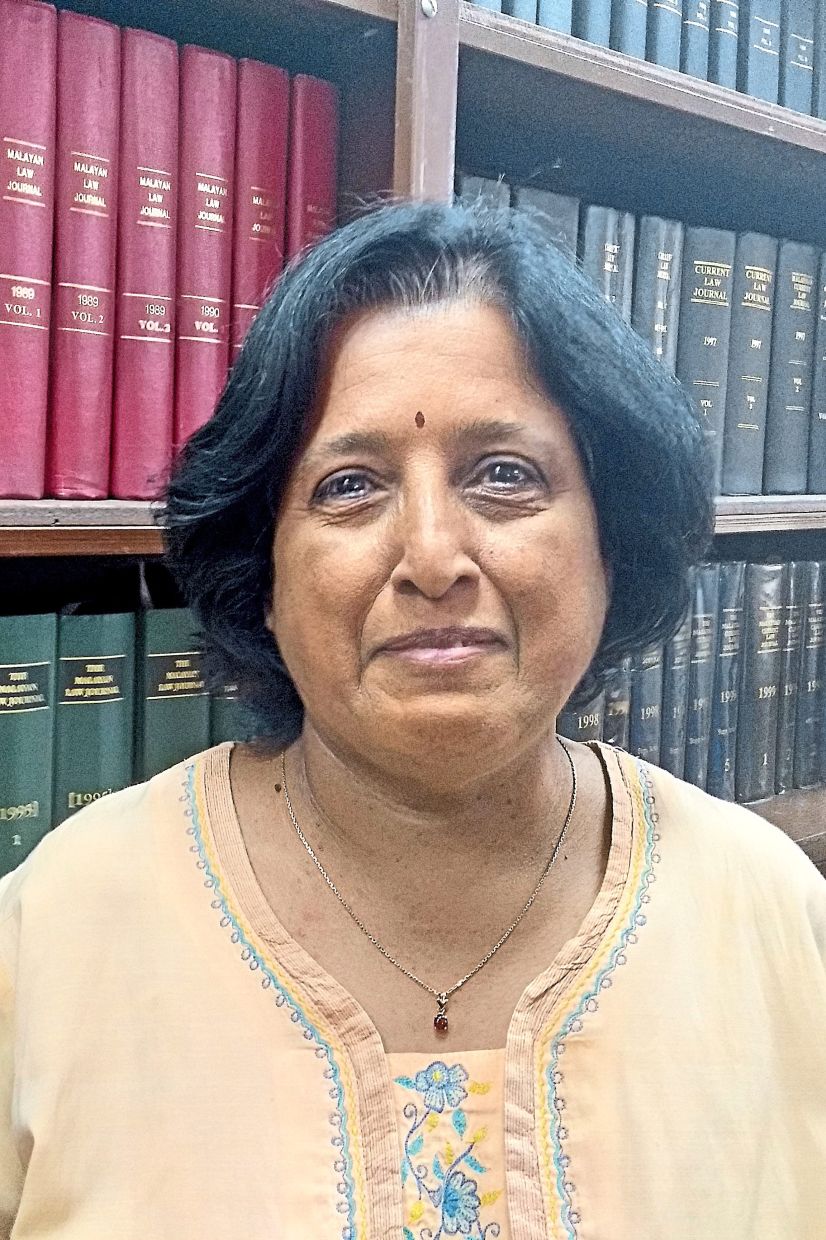
“What is certain is that Malaysia already has a rare earth industry, and with it, the challenge of managing radioactive waste. A long-term disposal solution has yet to be established,” he added.
Meanwhile, Sahabat Alam Malaysia president Meena Raman welcomed the government’s announcement, saying that such safeguards would be beneficial.
The group also reiterated its call for the federal and state governments to prohibit REE mining in environmentally sensitive areas, such as permanent forest reserves.