
Iskul continues the fight for formal recognition
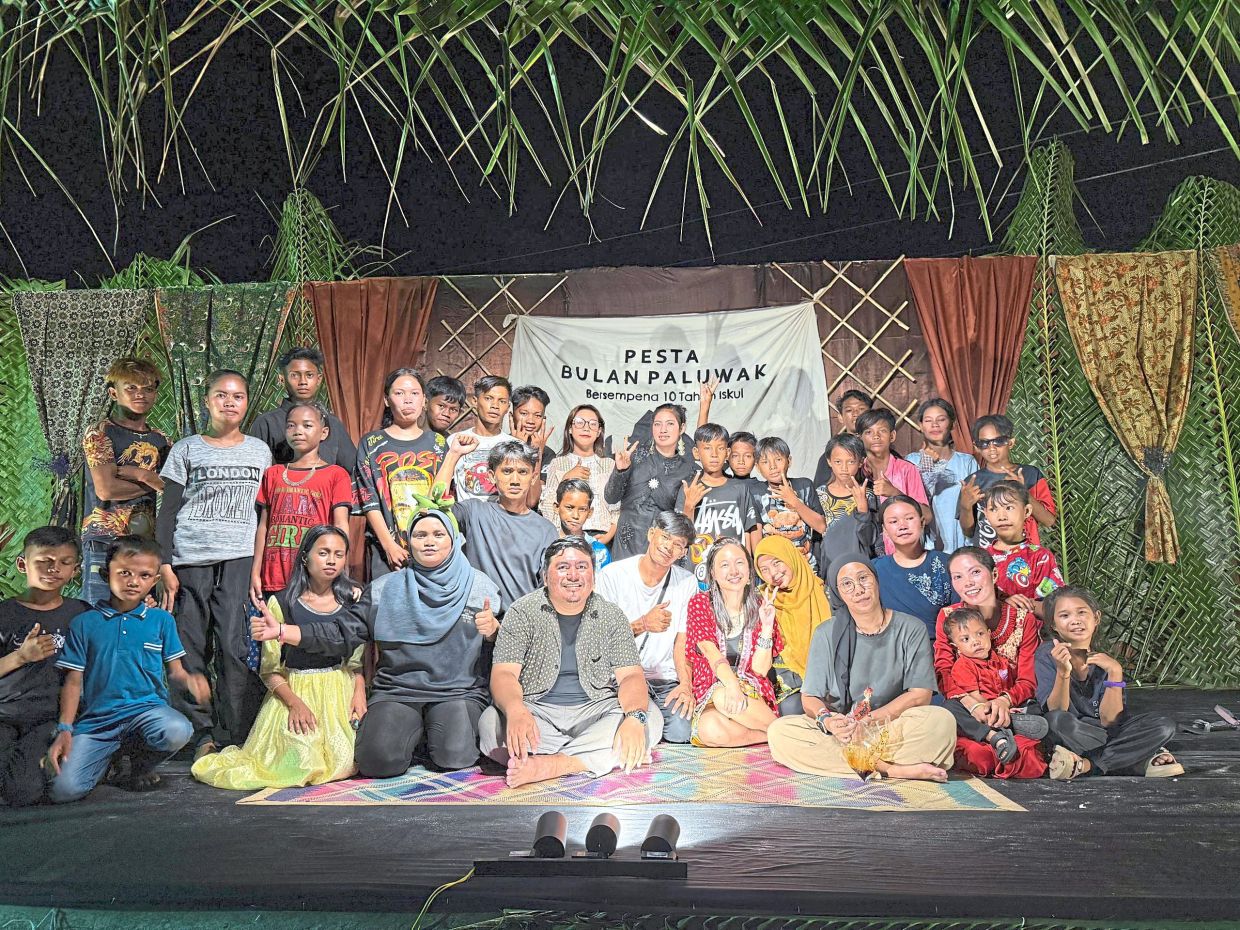
PETALING JAYA: A decade has passed since Iskul Sama DiLaut Omadal (Iskul) began transforming the lives of stateless children in Sabah through alternative education and community development initiatives.
Co-founder Chuah Ee Chia said their efforts were further enhanced after being recognised as one of the Star Golden Hearts Award (SGHA) winners in 2022.
“Our advanced students completed their marine stewardship module and successfully implemented an action project by designing and building a floating trash trap.
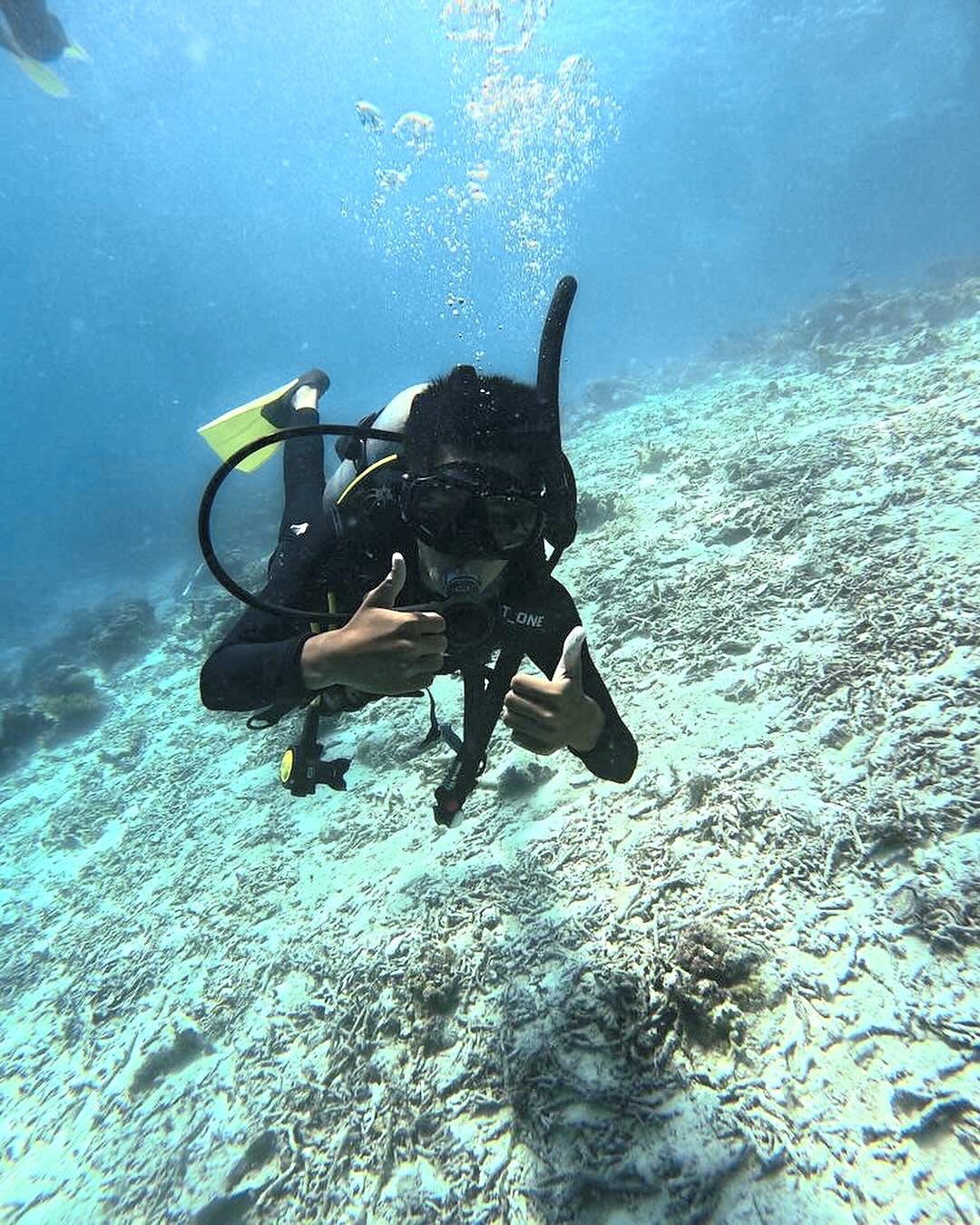
“We also trained three students who now hold open water diving certifications.
“They are now part of our new coral restoration initiative with Reef Check Malaysia, alongside Omadal youth,” she said, underscoring Iskul’s milestones in education and youth leadership.
Chuah also said that Iskul has made significant progress across education, health, environment and livelihood development.
“Our vocational students received training in traditional Bajau Laut weaving and product development.
“In 2023, Yayasan Gamuda commissioned our first order of woven name tags.
“Two years later, they returned to order pandanus keychains – our first step towards helping students earn alternative income,” she said in an interview.
To empower Iskul’s teachers and students in content creation, she said their YouTube channel has gained enough traction to become a YouTube partner, enabling content monetisation and providing a new income stream.
These achievements have not come without challenges, particularly in obtaining formal recognition as an alternative learning centre for stateless children in Sabah.
Chuah shared that Iskul’s application was initially approved by the Education Ministry.
But it later stalled due to the absence of a standard operating procedure for registering schools for stateless students in Sabah and Sarawak.
“This gap is frustrating, especially considering the large number of stateless and undocumented children in the state.
“We wonder why there has been little initiative from the government to address this systemic issue,” she said, adding that the group reached out to several state government agencies with the hope of gaining official support.
“While many expressed verbal encouragement, none was able to offer formal backing for Iskul.
“This lack of institutional recognition has made it difficult for us to access stable, long-term funding,” she said.

Despite resource and funding challenges, Chuah noted that being recognised as an SGHA winner has motivated them to think more intentionally about Iskul’s future.
She added that one of their main goals is to establish a proper structure that supports a complete transition for Iskul to be fully community-led, run by and for the youth of Omadal, both stateless and citizens.
“At the same time, we recognise the importance of bridging resources.
“We hope to set up a structure that enables individuals and organisations with more privilege, whether through financial means, skills or networks, to contribute meaningfully to Iskul’s work.
“This includes developing clearer pathways for partnership, donation, mentorship and collaboration that centre on the needs and leadership of our community,” she said, emphasising efforts to strengthen social entrepreneurship to allow students to earn a living.
These challenges have not deterred Chuah and her team from continuing to inspire changemakers in Malaysia.
“If you ever feel tired or overwhelmed, know that it’s okay to pause.
“Rest is not a sign of weakness. It’s part of the journey. Take time to reflect, breathe and care for yourself.
“The change you’re working towards is important, but so are you. Sustaining meaningful impact requires sustaining yourself,” she added.