KUALA LUMPUR: Existing legislation, including a proposed amendment to the Private Healthcare Facilities and Services Act, is being reviewed to support the implementation of a strategy aimed at curbing private healthcare inflation, says Prime Minister Datuk Seri Anwar Ibrahim (pic).
He said the Health Ministry was refining the legal framework to enable initiatives under the RESET strategy.
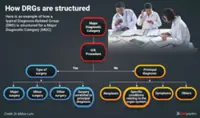
This included the introduction of the diagnosis-related group (DRG) payment system, which required the sharing of minimum clinical and financial information to promote transparency and improve cost management.
“If necessary, the government will consider amendments to other related laws to empower the overall RESET strategy,” he said in a written parliamentary reply.
RESET, introduced through a joint effort by Bank Negara, and health and finance ministries, aimed to address the rising cost of healthcare and private insurance.
Anwar said the five pillars of RESET included revamping medical and health insurance and takaful (MHIT) by introducing a basic MHIT product to allow for more sustainable and stable premium pricing.
The initiative would also enhance price transparency through drug price display and publication of service price ranges, as well as consistent medical inflation estimates and standardised healthcare cost data collection.
“Through RESET, the digital health ecosystem will be strengthened via electronic medical records to improve care quality and reduce repeated diagnostic testing.
“The fourth pillar is expanding cost-effective options through affordable non-profit hospitals and public-private partnerships with the Health Ministry.
“Lastly, we aim to transform provider payment mechanisms by shifting to the DRG system to align cost payments with value-based care,” he said.
The rollout of RESET is overseen by the Private Healthcare Costs joint ministerial committee, co-chaired by the Finance Minister II and Health Minister, he added.
The inaugural session, held on June 24, included stakeholders from private hospitals, healthcare professionals, insurers, consumer groups and academia.