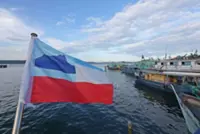
KUCHING: On Nov 16, 1924, a peacemaking ceremony in Kapit brought a formal end to tribal conflicts among the indigenous communities in Sarawak's interior.
The event brought together Iban, Kayan, Kenyah and Kajang leaders, who signed a treaty in a grand ceremony marked by customary reconciliation rituals and formal administrative protocols.
This historic occasion and its 100th anniversary celebration in December last year have now been documented in a new book, "Commemorating a Century of Kapit Peacemaking (1924-2024)", by the Dayak Cultural Foundation and Tun Jugah Foundation.
Works Minister Datuk Seri Alexander Nanta Linggi said the book captured a valuable turning point in Sarawak's history.
"The Kapit peacemaking ceremony held a century ago was a pivotal event that laid the foundation for lasting peace in Sarawak.
"It marked the end of inter- and intra-tribal warfare, forging a spirit of unity among the diverse ethnic communities," he said when launching the book at the Dayak Cultural Foundation here on Friday (May 30).
Nanta said Sarawak now enjoyed peace and stability, with a conducive environment for development and progress.
"Our different ethnic groups now work together harmoniously, sharing power and respecting one another.
"This unity is the strength of our state and it bodes well for Sarawak's future."
Nanta also said a Dataran Bujang Berani, or Warriors' Square, would be constructed in Kapit to commemorate the Dayaks who served in the nation's security forces.
"Even before Malaysia's formation, they fought in Malaya during the Emergency. Until today, many Dayaks from Kapit serve in the security forces," he said.
Meanwhile, editor Dr Regina Garai said the book recorded the history of the Kapit agreement as well as the events and reflections of its centenary celebration.
"It is crucial to document the events and activities surrounding this momentous occasion, or they risk being forgotten over time.
"By recording this history in a book, we ensure that future generations can learn about, appreciate and understand our efforts in commemorating this important event," she said.
She added that the book would serve as a resource for future generations and researchers, besides igniting interest in Sarawak's history.
"We also hope it will serve as a bridge between past and present, offering insights for scholars, educators and the wider community."