KOTA KINABALU: Sabah has collected RM7.36bil in petroleum-related taxes as of March, significantly boosting its revenue since the state sales tax on petroleum products was introduced in 2020.
Although often credited to the Warisan Plus government, state Finance Minister Datuk Seri Masidi Manjun explained that the groundwork for the petroleum tax was laid by the previous administration in 2012, with studies completed in 2014.
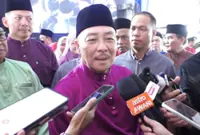
"The move only materialised after Sarawak introduced its own petroleum tax in 2019," Masidi said in his winding-up speech at the state assembly sitting on Wednesday (Apr 16).
In the first year, Sabah collected only RM177.88mil due to disputes with oil and gas companies.
However, stronger governance allowed the state to recover outstanding dues, including RM328mil in 2021 and RM132mil in 2022.
Since then, annual revenue from the tax has consistently exceeded RM1.4bil, peaking at RM1.9bil in 2022.
Masidi said the scope of the tax has also expanded — from crude petroleum and natural gas to include ammonia and urea in August 2022, and methanol in October 2023.
He added that the state Finance Ministry, in collaboration with SMJ Energy Sdn Bhd (SMJE), has also set up a centre of excellence to support petroleum tax management.
In response to a query by Datuk Jaujan Sambakong (Warisan–Sulabayan) about the petroleum royalty remaining at 5%, Masidi pointed to the benefits secured through the commercial collaboration agreement signed with PETRONAS in December 2021.
This agreement has allowed greater participation, revenue sharing and control in the state’s oil and gas sector.
"This is evident in the participation of SMJE, the state-owned oil and gas company, in various upstream and downstream industry activities, including a 50% non-operating interest in the Samarang Production Sharing Contract, a 25% equity stake in PETRONAS Chemicals Fertiliser Sabah Sdn Bhd, and a 10% share in PETRONAS LNG 9 Sdn Bhd," he said.
Masidi noted that with an initial capital of RM50mil, SMJE has, within just two years, declared and distributed dividends amounting to RM110mil to the state government and has now grown into a company valued at RM5bil.
He also highlighted the rapid growth in the local oil and gas services and equipment sector, where revenue surged from RM613mil in 2021 to RM2bil in 2024 — a 229% increase.
Masidi said all of this reflects the direct benefits the state is receiving from its own oil and gas industry, in addition to the 5% petroleum royalty.